
Neutering a cat is not simply a matter of everyday convenience. It is a decision rooted in prevention, protection and...
Latest posts
-
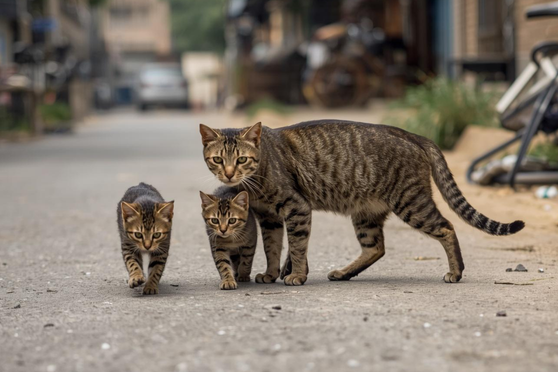 Neutering your cat: an informed choice for health, balance and animal welfareRead more
 -
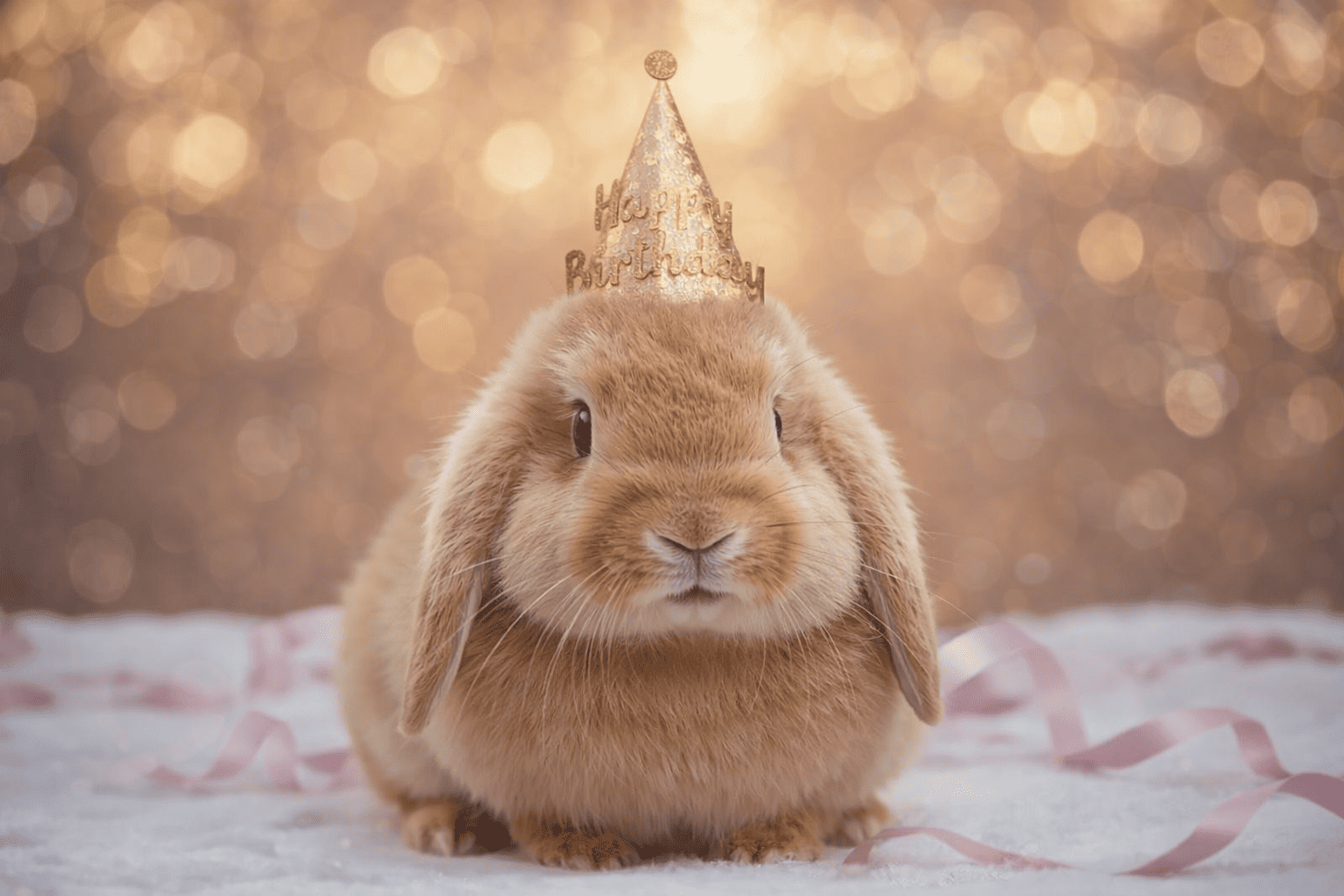 How to organise a birthday for your rabbit? A gentle and thoughtful approach for a truly suitable momentRead more
Organising a birthday for a rabbit does not mean creating a party, but imagining a calm, enriching moment perfectly...
-
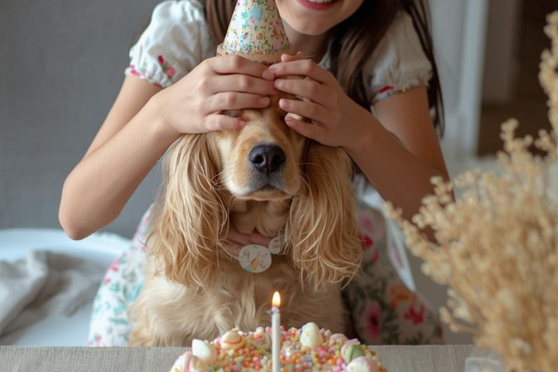 How to organise a birthday for your dog? An elegant guide for a truly successful momentRead more
Organising a birthday for a dog means creating a joyful, stimulating moment adapted to its energy, combining play,...
-
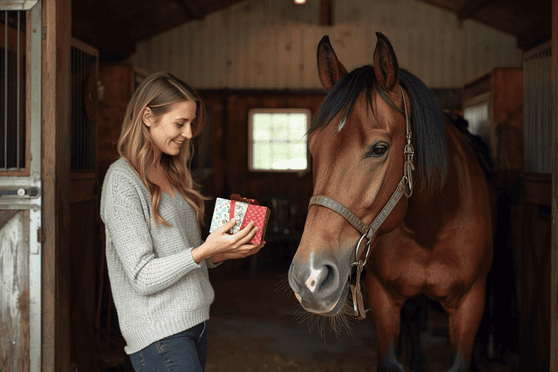 What gift should you give a horse (and its rider)? The art of getting it just rightRead more
Giving a gift to a horse is never just a simple gesture. It reflects attention to its wellbeing, its daily life, and...
-
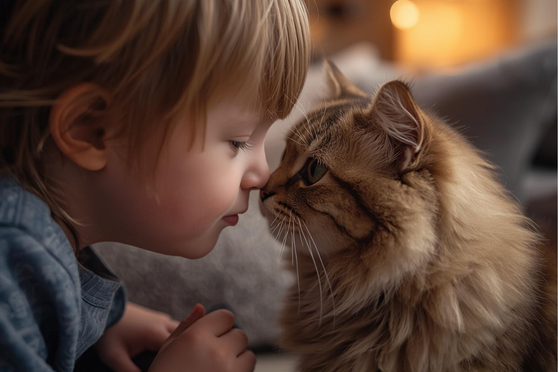 New cat at home: how to create a calm and balanced cohabitation with pets and childrenRead more
Bringing a new cat home is always an emotional moment. But when there is already a dog, another cat or children in...
-
 New Cat at Home: the First Days (and How to Build the Foundations of a Calm, Trusting Relationship)Read more
New cat at home? Discover how to manage the first days, avoid common mistakes and create the sense of safety your cat...
-
 New Cat at Home: How to Prepare for a Smooth and Successful ArrivalRead more
Welcoming a new cat? Discover how to prepare properly, make the right choices and give your cat a calm, secure start...
-
 Adopting a pet: the right questions to ask (and mistakes to avoid)Read more
Adopting a pet is an important decision, often driven by emotion. Whether you are planning to welcome a dog, a cat, a...
-
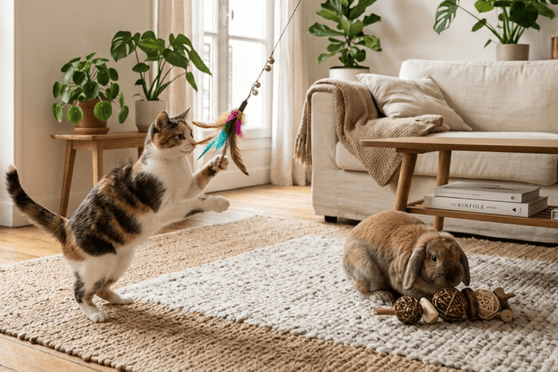 The best gifts for a pet living in an apartmentRead more
Living in an apartment does not mean a pet has to be bored. Cats, rabbits or small dogs can thrive perfectly well...
-
 What gift should you give a friend who loves her rabbit? 5 ideas that will truly touch herRead more
We all have that friend for whom her rabbit is not “just a pet”, but a true member of the family. In her home, the...
Blog categories
Search in blog
Pet names: what your animal’s name really says about you
Choosing your pet’s name is one of the very first gestures that seals the bond. Behind that choice, there is often more than a simple “I like it”: an emotion, a cultural reference, a desire for softness… and sometimes a small part of ourselves. Dogs, cats, rabbits, horses: trends vary by species, and the style of name you choose says a lot about how you live the relationship with your companion. We break it all down with humour and seriousness, plus a “science” bonus at the end of the article.
The most popular names by species
For dogs: names that reassure and bring people together
Dogs, so close to humans, often receive short, punchy names that are easy to use every day. You’ll find many “human” first names, a sign of a very family-like bond: the dog is fully integrated into the home, routines and emotions.
Another powerful driver is pop culture. Films, series and current trends regularly influence dog names. And even if some fashions come and go, simple, effective names remain year after year as reliable favourites.
For cats: freedom, elegance and unapologetic humour
Cats often inspire more daring choices: elegant, retro, poetic… or completely quirky names. Giving a very serious name to a mischievous cat, or a “cute” name to a sofa queen who royally ignores you, is a classic.
A cat’s name often reflects a taste for aesthetics, a subtle sense of humour, and a relationship built on mutual respect (with a light, ongoing negotiation).
For rabbits: tenderness, softness and emotional projection
Rabbit names are often very affectionate. They evoke softness, childhood, sweet treats or nature. This is a species for which the name is frequently chosen with a strong emotional charge: the rabbit becomes a comforting “cuddly” companion—soothing and endearing.
For horses: identity, prestige and symbolism
In the horse world, a name is sometimes linked to traditions, breeding rules or the discipline practised. It can be longer, more noble, more evocative. The name becomes an identity: a signature that says as much about the horse’s temperament as it does about the imagination of the person who named it.
What your pet’s name says about you
Human names: a proudly family-like bond
Choosing a human first name often reflects strong emotional closeness. The animal is seen as a member of the family, with a real place in everyday life. It’s a choice that reinforces the idea of a “two-way” relationship—almost like with a loved one.
Childlike or “cuddly” names: softness and comfort
Very cute, sometimes slightly regressive names often reveal a need for tenderness and reassurance. The animal becomes an emotional anchor, a companion that soothes and softens the day (even when it chews the rug or tips over its bowl).
Original or quirky names: creativity and humour
Opting for an unusual name is often a sign of a creative personality who enjoys playing with codes. It’s also a way to affirm a joyful relationship: the animal becomes a life partner… and sometimes an excellent conversation starter.
Strong or noble names: admiration and projected values
Some names evoke power, presence or elegance. They reflect sincere admiration for the animal and a desire to highlight its character. Very common with “protective” dogs and horses, this choice often tells the story of a committed, valuing relationship.
Pet names around the world: when culture gets involved
Naming trends vary from country to country. In the UK, pets are deeply “humanised”: affectionate, friendly names—often human first names—are very common, because animals are fully part of family life. In many English-speaking countries, names also tend to be shorter, more playful, and heavily influenced by pop culture.
In Southern Europe, musicality and emotion take the lead: expressive, sing-song names are frequent. In some Asian cultures, pet names are more often inspired by nature, seasons or symbolic values. A name can therefore become a cultural marker, far beyond the animal itself.
Choosing your pet’s name well: our tips
- Simple and clear: a short name (1–2 syllables) is often more practical.
- Different from commands: avoid sounds too close to “sit”, “no”, “come”, etc.
- Long-lasting: check the name still works for an adult pet (and not only for a baby).
- Suited to personality: sometimes the right name “clicks” naturally after a few days of observing.
- And above all: choose a name that makes you smile.
Conclusion
Your pet’s name is never random. It tells a story of an era, an imagination, a relationship and an emotion. Whether classic, original, tender or majestic, it reflects both the animal and the person who chose it. And deep down, perhaps that’s the most beautiful part: a name is a story… told in two voices.
FAQ: What science teaches us
Does my pet recognise its name?
Yes. Many domestic animals—especially dogs, cats, horses and some rabbits—can recognise their name. They don’t understand the “meaning” like a human, but they learn to identify their name as a sound cue linked to attention directed at them.
Do animals recognise a word or a sound more?
They respond mainly to sound and intonation: rhythm, pitch and the emotion carried by the voice. A name said consistently is easier to recognise.
Why are short names more effective?
Short names are easier to pick out from background noise and quicker to process. They make it easier to associate the sound with attention and the expected response.
Can an animal recognise several names or nicknames?
Yes. Many animals recognise their main name as well as nicknames used regularly. Consistency of context and frequency matters more than the exact word.
Is it possible to change a pet’s name?
Yes, at any age. With a gradual and positive approach, an animal can learn a new name. During the transition, pairing the old name with the new one often helps.
Are there sounds that are easier for animals to recognise?
Yes. Clear sounds, open vowels and certain crisp consonants are often easier to perceive. A distinctive name is generally identified more easily.
Does a name influence the relationship with the animal?
Indirectly, yes. Used kindly and consistently, the name becomes a sound anchor loaded with attention and emotion, which strengthens communication and trust.
Top names in the UK: practical tables
Source: trends observed from publicly available pet identification/registration data, major UK animal welfare organisations’ publications, and commonly recorded names in shelters and veterinary practices across the UK.
Top dog names (UK)
| Rank | Name | Comment |
|---|---|---|
| 1 | Bella | Very popular, soft and friendly |
| 2 | Charlie | Human name, widely used |
| 3 | Max | Timeless, easy to call |
| 4 | Luna | Modern, highly popular |
| 5 | Teddy | Affectionate, “cuddly” vibe |
Top cat names (UK)
| Rank | Name | Comment |
|---|---|---|
| 1 | Luna | Extremely popular, gentle sound |
| 2 | Leo | Short, strong, easy to remember |
| 3 | Milo | Modern, often chosen |
| 4 | Simba | Big classic, pop culture influence |
| 5 | Nala | Still trending, widely used |
Top rabbit names (UK)
| Rank | Name | Style |
|---|---|---|
| 1 | Snowy | Colour-inspired / soft |
| 2 | Biscuit | Sweet / cuddly |
| 3 | Daisy | Nature / gentle |
| 4 | Coco | Short / affectionate |
| 5 | Luna | Very cross-species |
Top horse names (UK – common everyday use)
| Rank | Name | Inspiration |
|---|---|---|
| 1 | Spirit | Freedom / strength |
| 2 | Storm | Power / energy |
| 3 | Shadow | Speed / elegance |
| 4 | Bella | Timeless |
| 5 | Charlie | Friendly, familiar |
Posted in:
Our World
Related posts
-
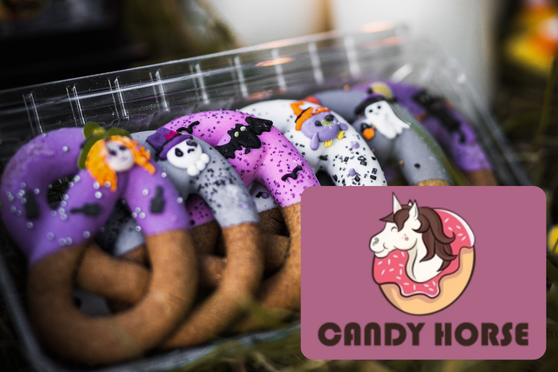 Candy Horse Treats for Horses – Natural & Delicious
Discover Candy Horse treats for horses: natural, handcrafted, and tasty. Reward your horse with healthy snacks and...Read more
Candy Horse Treats for Horses – Natural & Delicious
Discover Candy Horse treats for horses: natural, handcrafted, and tasty. Reward your horse with healthy snacks and...Read more -
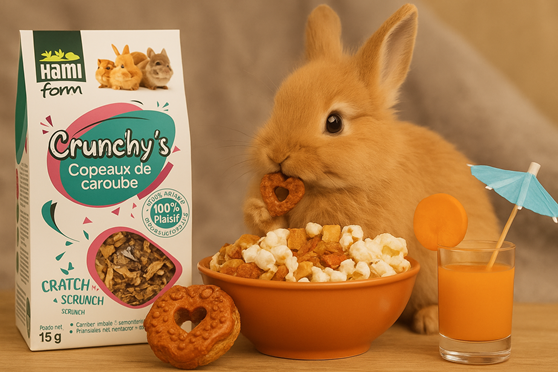 Healthy Rabbit Treats: Combining Taste and Nutrition
Treat your rabbit with healthy and natural snacks! Discover which treats to favor (herbs, flowers, hay, dried...Read more
Healthy Rabbit Treats: Combining Taste and Nutrition
Treat your rabbit with healthy and natural snacks! Discover which treats to favor (herbs, flowers, hay, dried...Read more -
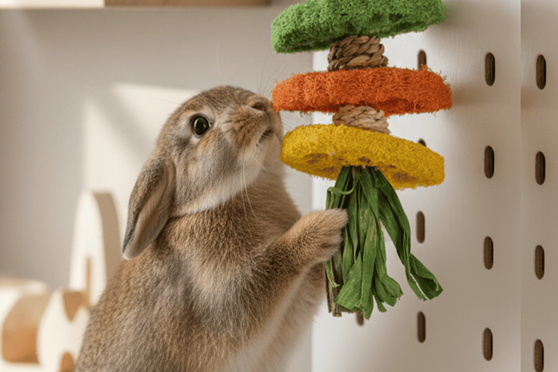 Chew Toys for Rabbits: Essential for Their Well-Being and Teeth
Our rabbits, like all good little nibblers, love to chew! What might seem like a simple pastime is in fact vital to...Read more
Chew Toys for Rabbits: Essential for Their Well-Being and Teeth
Our rabbits, like all good little nibblers, love to chew! What might seem like a simple pastime is in fact vital to...Read more -
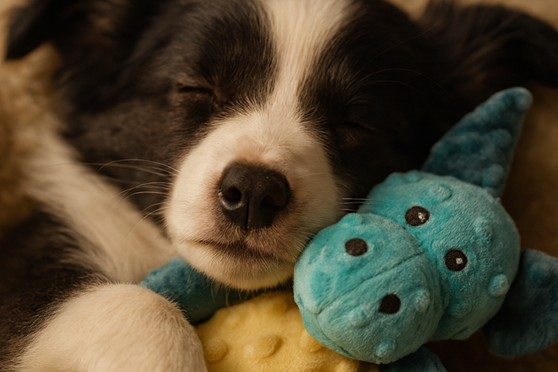 Does My Dog Need a Comfort Toy?
A comfort toy is more than just a plaything. It offers reassurance, reduces stress, and helps ease loneliness –...Read more
Does My Dog Need a Comfort Toy?
A comfort toy is more than just a plaything. It offers reassurance, reduces stress, and helps ease loneliness –...Read more -
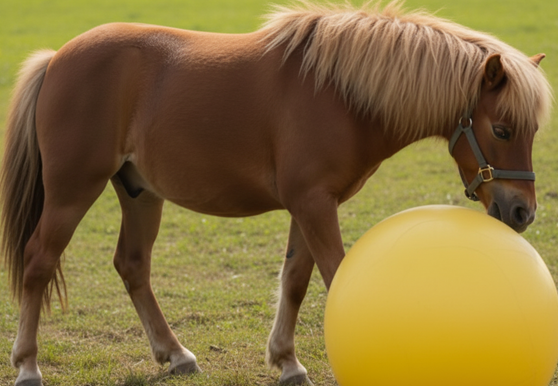 Horse Toys: How to Keep Your Horse Busy and Prevent Boredom
Horses are naturally curious, social, and active animals that need variety and stimulation to thrive. When deprived...Read more
Horse Toys: How to Keep Your Horse Busy and Prevent Boredom
Horses are naturally curious, social, and active animals that need variety and stimulation to thrive. When deprived...Read more
Leave a comment