Adopting a pet is an important decision, often driven by emotion. Whether you are planning to welcome a dog, a cat, a rabbit, a small animal or even a horse, the desire to share your daily life with an animal always comes with excitement… but also responsibility.
Behind this decision lie very real considerations: time to dedicate, a budget to plan and an environment to adapt. Taking the time to ask the right questions beforehand helps avoid common mistakes and build a long-lasting, respectful and balanced relationship.
1. Asking the right questions before adoption
Before adopting any animal, it is essential to take an honest look at your lifestyle.
- Do I have enough time to dedicate to an animal every day?
- Is my home suitable for this species and its needs?
- Is my daily routine compatible with what this animal requires?
- Am I ready for a commitment that may last many years?
A dog will need daily walks, a cat an enriched environment, a rabbit space and objects to chew, and a horse a very high level of commitment.
There is no universally “good” or “bad” pet — only choices that may or may not fit a particular way of life.
2. Understanding the animal’s real needs
 Each species has specific needs that are often underestimated.
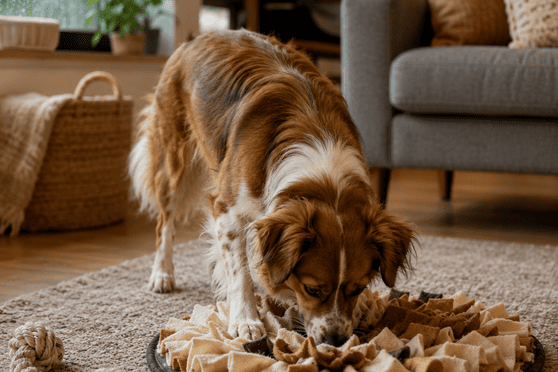
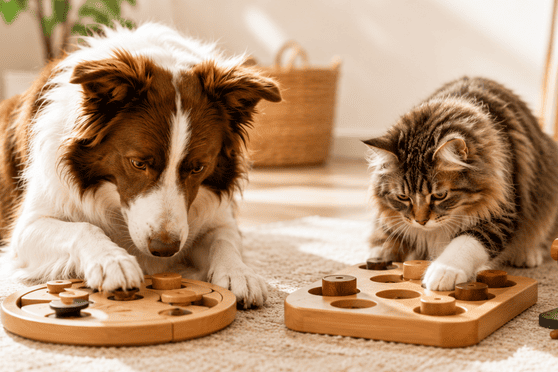
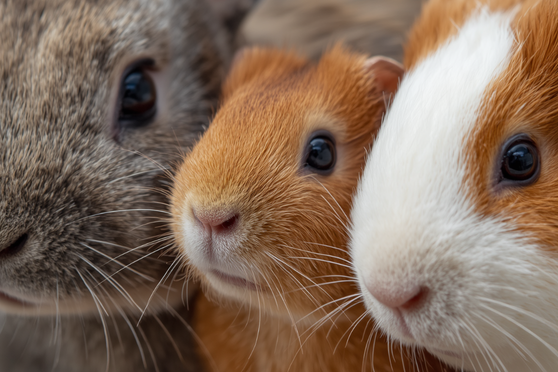
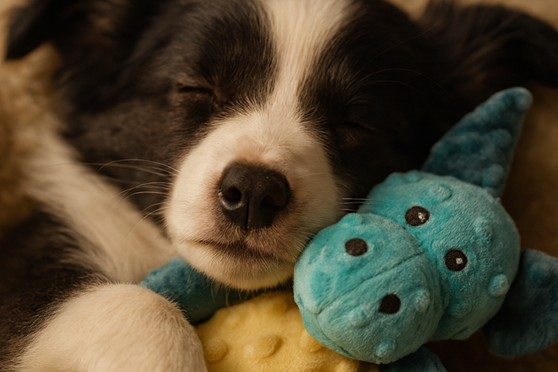
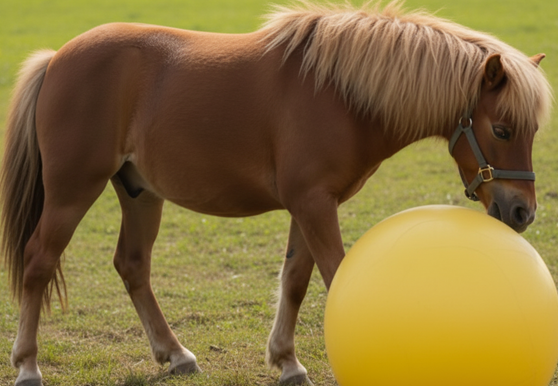
Dogs need physical activity and social interaction. Cats need stimulation even when they live indoors. Rabbits and other small animals have very specific needs when it comes to food, chewing and exploration. Horses require daily commitment and an appropriate environment.
Learning about these needs in advance helps prevent situations in which the animal cannot express its natural behaviours.
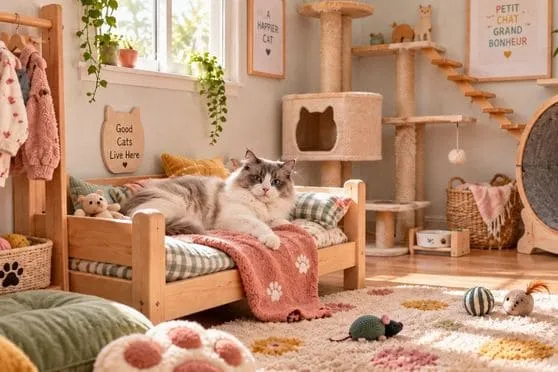
An indoor cat, for example, needs more than a comfortable place to sleep: it needs to hunt, climb, observe and mark its territory.
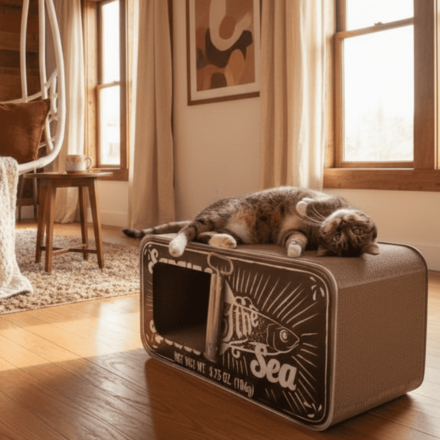
Some designs go beyond basic function: designer cardboard scratchers allow cats to scratch, hide and observe while blending seamlessly into a refined interior.
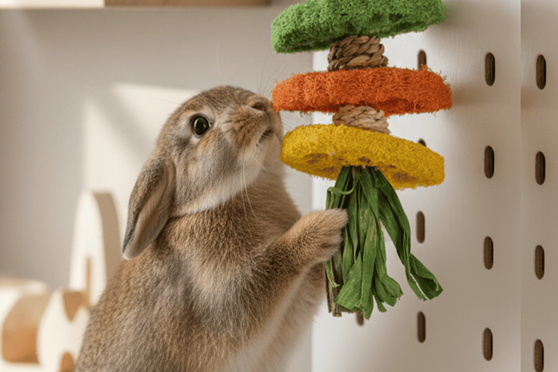
The same logic applies to rabbits: they need to chew, manipulate and explore every day. Natural chew objects and simple enrichment items help prevent boredom and support wellbeing.
3. Common mistakes to avoid
Certain mistakes are especially common when adopting an animal:
- Choosing an animal purely because of its appearance or breed
- Underestimating the daily time commitment
- Not understanding the species’ specific needs
- Failing to plan for holidays, travel and practical organisation
- Assuming the animal will simply “adapt to everything”
An animal does not adapt to everything. It is the environment that needs to be adapted to the animal.
A well-prepared home, with rest areas, appropriate objects and clear zones, often makes the first weeks much calmer.
4. What budget should you plan for?
Adopting a pet means making a long-term financial commitment.
Beyond the adoption cost itself, you need to consider:
- food
- veterinary care
- accessories such as bedding, grooming items and toys
- unexpected expenses
Some animals, such as horses, naturally involve much higher ongoing costs, including boarding, equipment and care.
Accessories are often underestimated, even though they play an important role in daily wellbeing. An adapted environment and suitable objects can often reduce frustration and unwanted behaviour.
5. Where should you adopt from?
The place you choose to adopt from matters a great deal.
Shelters and rescue organisations offer animals looking for homes, often with guidance and support.
A responsible breeder may also be an option, provided you carefully assess their practices.
Impulse purchases through vague adverts or opaque channels are best avoided.
6. Preparing for your pet’s arrival
 Before the animal arrives, it is important to prepare the home environment properly.
A safe space, suitable objects and a clear setup make the transition easier.
The first few days are crucial for building trust and helping the animal settle.
For a cat, this may include:
- a scratching surface in a strategic location
- a raised area to observe from
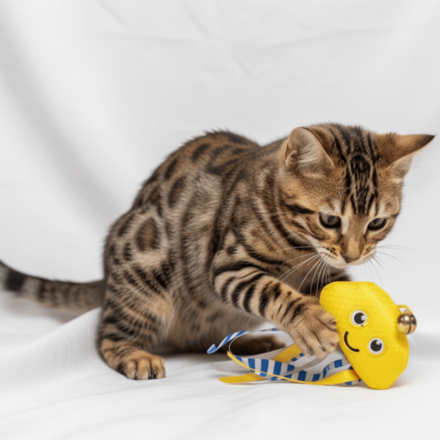
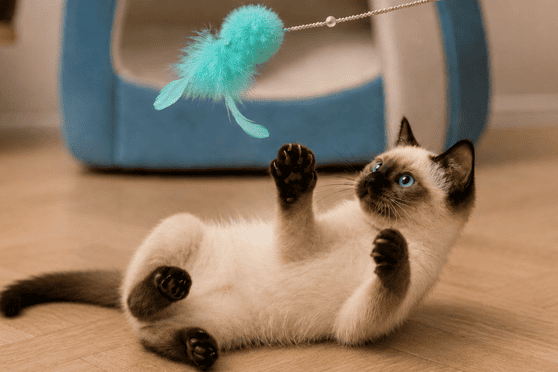
- an interactive toy to stimulate hunting behaviour
For a rabbit, this may include:
- chew toys
- hideouts
- objects to explore and manipulate
These elements are not optional details: they contribute directly to the animal’s emotional balance.
Conclusion
Adopting a pet is a meaningful step, but it requires preparation and honesty with yourself.
By asking the right questions, understanding the animal’s needs and preparing the environment carefully, you greatly improve the chances of building a balanced and lasting relationship.
Very often, it is the small daily details — play, space, structure and suitable objects — that make the biggest difference.







Leave a comment