
Autumn is probably one of the most beautiful seasons for walking your dog: the light is soft, the forest smells of...
Yes, as long as their pace is respected.

Autumn is probably one of the most beautiful seasons for walking your dog: the light is soft, the forest smells of...
Just ten years ago, calling yourself your cat’s “parent” would have raised a few eyebrows. People would smile...

Halloween is slowly making its way into our homes, with pumpkins appearing on doorsteps and orange garlands...

Treats, praise or play: rewarding your dog well is not about giving more, but about choosing the right moment and the...

It has been raining since this morning, and the evening walk ended at the corner of the street. Your dog has just had...
Seeing a close date on a pet product can make you hesitate. That is perfectly normal. When it comes to our...
He has already chewed through half the sofa. He barks at the door as soon as you leave for work. She spends all day...
All cats play, but not always in the same way. Some pounce at the slightest movement, others prefer to watch for a...

Rabbit, guinea pig, hamster, pet rat, ferret, gerbil, bird or reptile: NAC often appeal because of their small size,...

Caring for your dog is not only about feeding them, walking them and giving them attention. Their skin, coat, paw...

It’s finally happening… you’re about to welcome a cat into your home!
You can already picture the soft purring, the quiet moments, the small daily rituals… But at the same time, many questions come to mind: will they feel comfortable? Am I making the right choices? Am I truly ready?
A cat does not simply “adapt” to a new place. They are entering an unfamiliar territory, surrounded by new smells, new sounds… Preparing for their arrival is therefore an essential step.
There is no need to aim for perfection. What truly matters is creating the right conditions so your cat can, at their own pace, begin to feel safe. And that is often what makes the difference between a difficult start… and a calm, balanced relationship.
“Kitten or adult cat: which should I choose?”
A kitten is instantly appealing. Curious, playful and endearing. But behind that charming image lies a more demanding reality: a kitten has everything to learn. It is a little explorer, eager to test limits and discover its surroundings.
In practical terms, this means climbing, nibbling, running at night, bursting with energy… and sometimes testing your patience.
An adult cat, on the other hand, comes with a more defined personality. Their temperament, preferences and boundaries are easier to understand. For someone with a busy lifestyle, or seeking a calmer relationship, this can be a particularly wise choice.
What truly matters is not age, but your ability to meet their needs.
Keep this in mind: a kitten needs guidance. An adult cat needs understanding.
“I want an affectionate cat… how can I make the right choice?”
This is one of the most common expectations — and also one of the most delicate.
We imagine a cat that seeks closeness, that comes naturally for affection. Some breeds are known for this, but in reality, the bond does not depend solely on genetics.
It depends mainly on three things: the cat’s personality, their past… and what you offer them.
A cat does not become affectionate because we expect it. They become so when they feel safe enough to come closer.
And that sense of safety cannot be imposed. It is built, gradually, through everyday interactions.
A calm environment, respectful handling and the absence of pressure… these are what allow closeness to develop naturally.
“Shelter or breeder: how do I make the right decision?”
Rather than opposing the two, it is more relevant to consider the quality of support.
In a shelter or rescue, cats are often carefully observed. You can receive valuable information about their behaviour: how they interact with people, children, other animals, or how they respond to stress.
With a responsible breeder, the focus is more on early socialisation, lineage and health.
In both cases, the essential question remains: is the cat being truly explained to me… or simply being sold?
A good professional will ask you as many questions as they answer.
“Can an indoor cat truly be happy?”
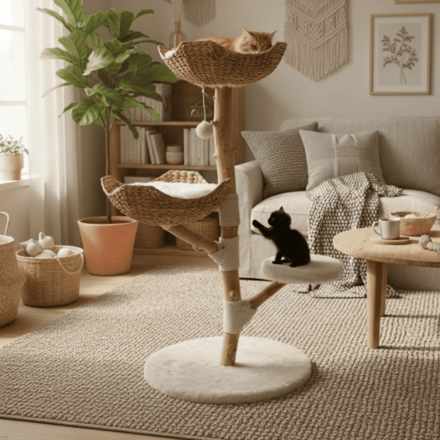 Yes, absolutely — under the right conditions.
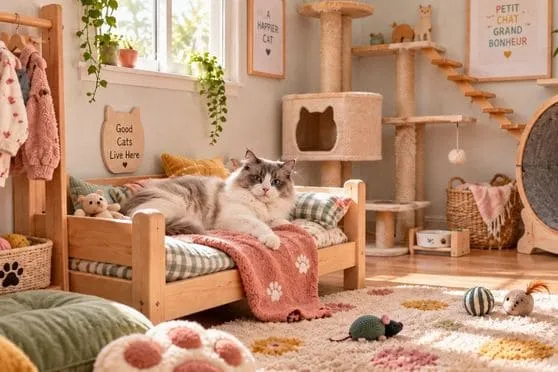
A cat does not measure their well-being by the size of their space, but by what they can do within it. Observing, climbing, hiding, playing, scratching… these are natural and essential behaviours.
An indoor cat deprived of stimulation can become deeply bored, even in a large home.
On the other hand, a thoughtfully designed environment — with vertical space, scratching areas and engaging activities — can fully support their balance.
A cat does not necessarily need to go outside to be happy. They need to express their nature.
If you adopt an adult cat and live in a flat, it is best to choose one that is already accustomed to this lifestyle. A cat used to outdoor life may struggle with this change.
“Cats live a long time… am I ready for that?”
A cat often shares more than fifteen years of your life. They are a discreet yet deeply present companion.
Adopting a cat means accepting that they will go through different stages of life with you: changes in routine, moves, personal evolutions.
It is not a fixed commitment, but a relationship that evolves over time.
And within that relationship, your role is simple: to remain a stable point.
“Can a cat stay alone during the day?”
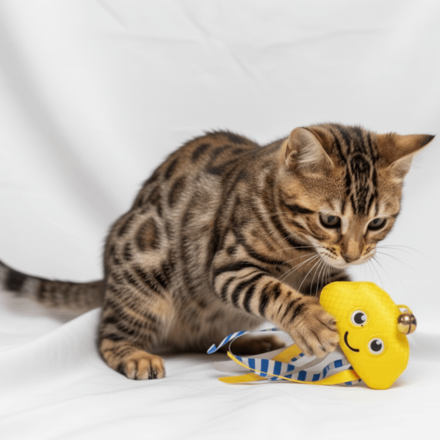
Yes. A cat is an independent animal, capable of handling periods of solitude.
However, independence does not mean indifference. A cat left alone without stimulation can quickly become bored. And that boredom often turns into behaviours we mistakenly label as “problems”.
In reality, the cat is simply adapting.
Providing a stimulating environment, playtime and mental engagement makes all the difference.
A few minutes of genuine interaction are often more valuable than passive presence throughout the day.
“How much does a cat really cost?”
Figures vary widely, depending on your choices.
Food, care, environment, prevention… everything contributes to your cat’s overall well-being.
But one important point is often overlooked:
A well-understood cat is often a less costly cat.
Less stress means fewer problems.
Investing in their environment is also investing in their stability.
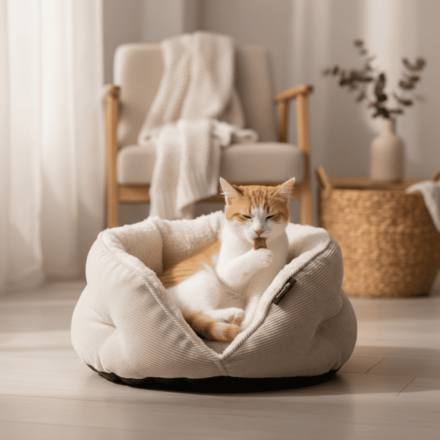
“How should I prepare for their arrival?”
When a cat enters a new home, everything is unfamiliar. Smells, sounds, landmarks… nothing is known.
That is why it is recommended to start with a calm, limited space.
A quiet, secure area allows your cat to settle in without feeling overwhelmed.
Within this space, everything should be accessible and coherent: litter tray, water, food, hiding spot, resting area and scratching option.
This first territory plays a fundamental role. It helps the cat understand where they are… and, most importantly, begin to relax.
“Why is the litter tray so important?”
It often seems like a minor detail… until it becomes a problem.
A cat has a natural instinct for cleanliness. But for that instinct to be expressed, they must feel comfortable with their litter setup.
Location, type of litter and cleanliness all matter.
When a cat avoids their litter tray, it is not misbehaviour. It is a signal.
Welcoming a cat is not simply opening a door.
It is creating a space in which they can exist, grow… and gradually begin to trust you.
And that trust can never be forced.
It develops slowly, naturally.
Yes, as long as their pace is respected.
No. The essentials are enough.
Not at all, if their environment is enriching.
Moving too fast and trying to force the bond.
 Candy Horse Treats for Horses – Natural & Delicious
 Healthy Rabbit Treats: Combining Taste and Nutrition
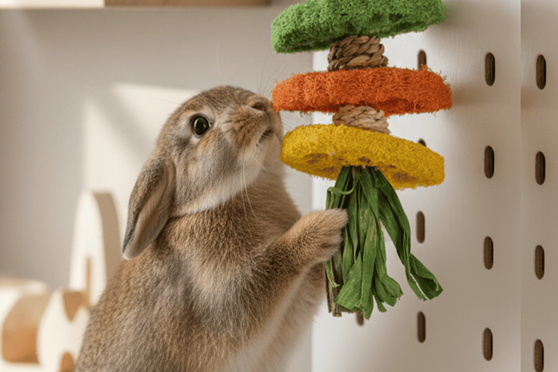 Chew Toys for Rabbits: Essential for Their Well-Being and Teeth
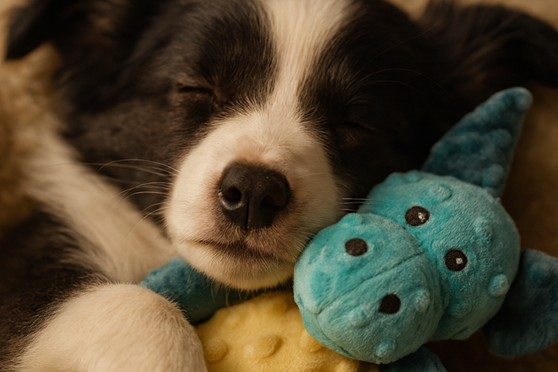 Does My Dog Need a Comfort Toy?
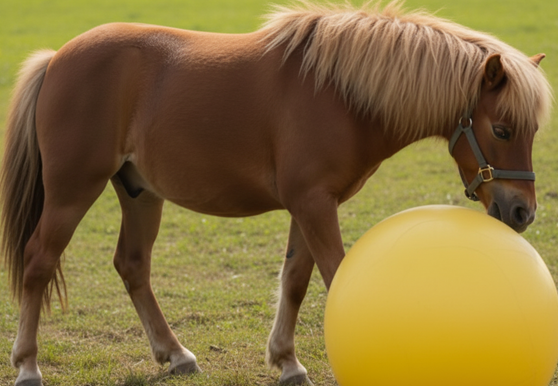 Horse Toys: How to Keep Your Horse Busy and Prevent Boredom
Leave a comment