
Autumn is probably one of the most beautiful seasons for walking your dog: the light is soft, the forest smells of...
Latest posts
-
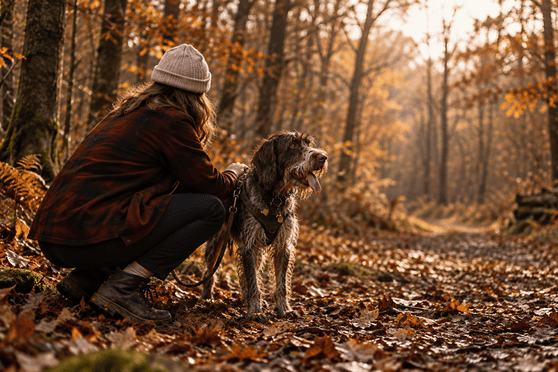 Autumn with your dog: small dangers to watch out for on walksRead more
-
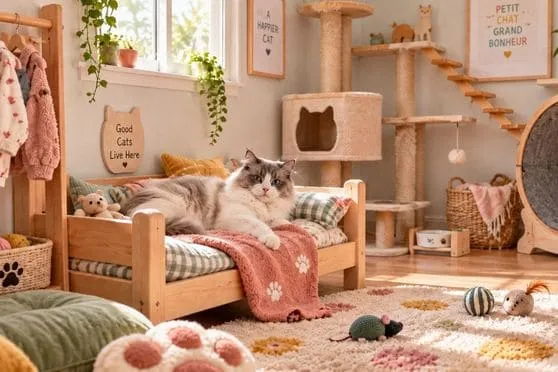 Pet Parents: Welcome to a Club We’re (Finally) Happy to Own Up ToRead more
Just ten years ago, calling yourself your cat’s “parent” would have raised a few eyebrows. People would smile...
-
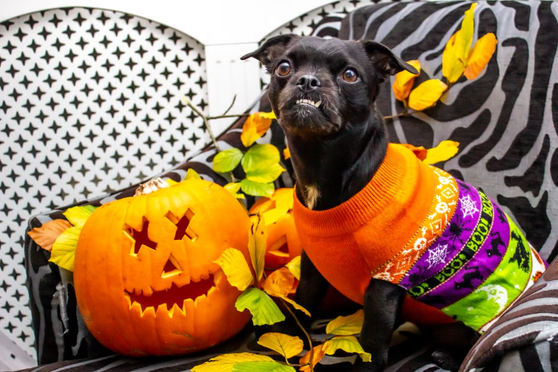 Halloween with your pet: ideas, treats and precautions for dogs, cats, rabbits and horsesRead more
Halloween is slowly making its way into our homes, with pumpkins appearing on doorsteps and orange garlands...
-
 Rewarding your dog without spoiling them: finding the right balance between treats, praise and playRead more
Treats, praise or play: rewarding your dog well is not about giving more, but about choosing the right moment and the...
-
 How to Keep Your Dog Busy at Home: 4 Situations and SolutionsRead more
It has been raining since this morning, and the evening walk ended at the corner of the street. Your dog has just had...
-
 Waste-Conscious Treats for pets: giving pleasure without wasteRead more
Seeing a close date on a pet product can make you hesitate. That is perfectly normal. When it comes to our...
-
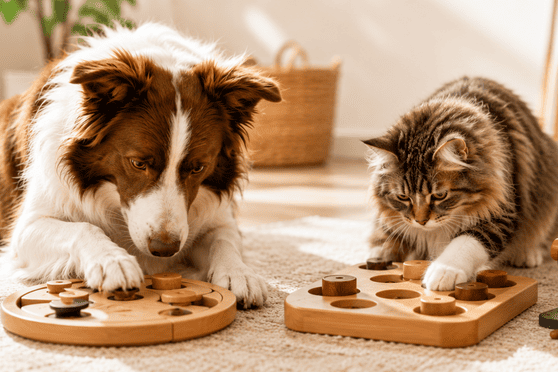 Intelligence Games for Dogs and Cats: The Secret to a Happy (and Finally Tired) PetRead more
He has already chewed through half the sofa. He barks at the door as soon as you leave for work. She spends all day...
-
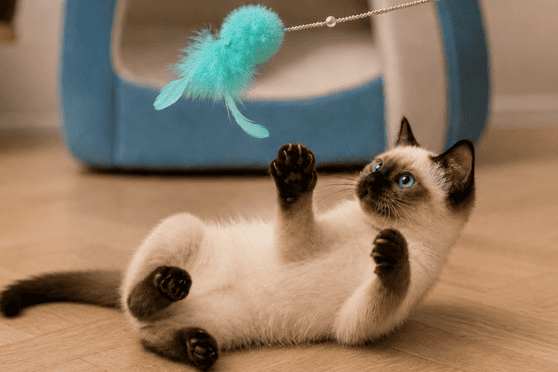 What toys should you choose for your cat? Understanding their preferences to help them play betterRead more
All cats play, but not always in the same way. Some pounce at the slightest movement, others prefer to watch for a...
-
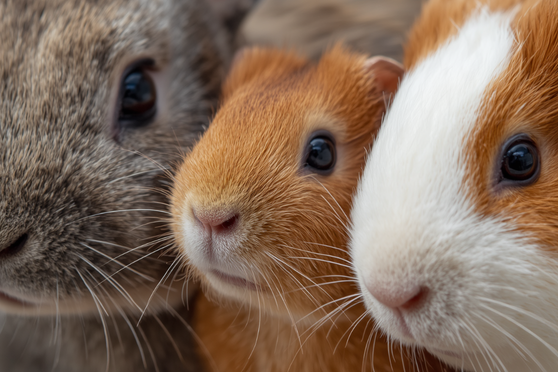 Adopting a NAC: the questions to ask before falling for oneRead more
Rabbit, guinea pig, hamster, pet rat, ferret, gerbil, bird or reptile: NAC often appeal because of their small size,...
-
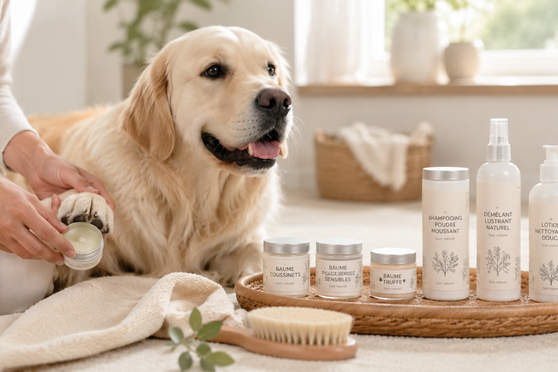 Dog care: what is it for, and what should you do every day?Read more
Caring for your dog is not only about feeding them, walking them and giving them attention. Their skin, coat, paw...
Blog categories
Search in blog

Horse Toys: How to Keep Your Horse Busy and Prevent Boredom
Horses are naturally curious, social, and active animals that need variety and stimulation to thrive. When deprived of pasture or social contact, they can quickly become bored and develop unwanted behaviours (crib-biting, wall-chewing, weaving…). Horse toys provide essential enrichment: they keep your horse occupied, stimulate curiosity, and reduce stress.
A horse’s natural needs: curiosity, chewing, movement, and social interaction
In the wild, horses spend 16–18 hours a day grazing and moving within a herd. Their digestive system is built for almost constant chewing, and their social life allows them to play and communicate. In stabled conditions, these needs are often limited: restricted forage, little movement, and limited social contact.
The result: boredom! Without stimuli, a horse can become anxious and develop stereotypies like wood-chewing or weaving. Studies show that an enriched environment (toys, feeding puzzles, scattered hay) helps prevent these issues. Mentally stimulated horses are calmer, happier, and more balanced. Providing toys that appeal to natural instincts – curiosity, chewing, exploring – directly supports their overall well-being.
How to entertain your horse: toys and playful activities
- Balls and large play toys: Encourage the horse to push, roll and chase, using up energy and encouraging exercise. Giant, bite-resistant balls in bright colours provide visual stimulation. Tip: fill them with hay or treats to create a feeding toy.
- Hanging chew toys: Hung in the stable or paddock, these plush or rope toys satisfy the horse’s chewing instinct and help relieve stress.
- Treat dispensers: Combine food and problem-solving. The horse must move or press the toy to release small treats. These games encourage thinking and curiosity.
- Interactive and cognitive games: Try memory challenges (colours or sounds linked to treats), obstacle courses, or hidden snacks. Creativity is key — even buckets or soft cushions can become playful tools!
Stable-kept horses often prefer hanging toys and feeders, while paddocked horses enjoy pushing large balls. Rotate toys regularly to keep your horse interested and engaged.
How to choose the right toy
Observe your horse’s personality. Playful horses love big balls; anxious or thoughtful ones may prefer treat dispensers or hanging toys. Choose strong, safe materials (thick rubber, sturdy rope, suitable leather). Check the toy regularly to ensure safety.
Conclusion: creativity and care for an enriched life
For a horse’s well-being, playful enrichment is essential. Toys aren’t “just for fun” — they meet genuine needs and prevent boredom. With creativity and kindness, you can greatly improve your horse’s happiness and balance. Studies confirm that enriched environments lead to calmer, more content horses that show enthusiasm for daily life.
Related posts
-
 Candy Horse Treats for Horses – Natural & Delicious
Discover Candy Horse treats for horses: natural, handcrafted, and tasty. Reward your horse with healthy snacks and...Read more
-
 Healthy Rabbit Treats: Combining Taste and Nutrition
Treat your rabbit with healthy and natural snacks! Discover which treats to favor (herbs, flowers, hay, dried...Read more
-
 Chew Toys for Rabbits: Essential for Their Well-Being and Teeth
Our rabbits, like all good little nibblers, love to chew! What might seem like a simple pastime is in fact vital to...Read more
-
 Does My Dog Need a Comfort Toy?
A comfort toy is more than just a plaything. It offers reassurance, reduces stress, and helps ease loneliness –...Read more
-
 Catnip: Why Do Cats Love It So Much?
Catnip, also known as catmint or cataire, is a favourite among cat lovers. A sprinkle on a scratching post or a toy...Read more
Leave a comment