
Autumn is probably one of the most beautiful seasons for walking your dog: the light is soft, the forest smells of...
Latest posts
-
 Autumn with your dog: small dangers to watch out for on walksRead more
-
 Pet Parents: Welcome to a Club We’re (Finally) Happy to Own Up ToRead more
Just ten years ago, calling yourself your cat’s “parent” would have raised a few eyebrows. People would smile...
-
 Halloween with your pet: ideas, treats and precautions for dogs, cats, rabbits and horsesRead more
Halloween is slowly making its way into our homes, with pumpkins appearing on doorsteps and orange garlands...
-
 Rewarding your dog without spoiling them: finding the right balance between treats, praise and playRead more
Treats, praise or play: rewarding your dog well is not about giving more, but about choosing the right moment and the...
-
 How to Keep Your Dog Busy at Home: 4 Situations and SolutionsRead more
It has been raining since this morning, and the evening walk ended at the corner of the street. Your dog has just had...
-
 Waste-Conscious Treats for pets: giving pleasure without wasteRead more
Seeing a close date on a pet product can make you hesitate. That is perfectly normal. When it comes to our...
-
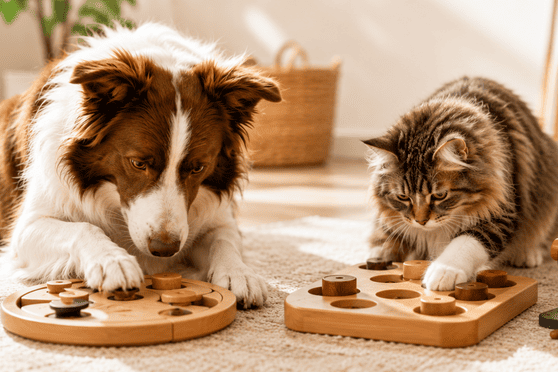 Intelligence Games for Dogs and Cats: The Secret to a Happy (and Finally Tired) PetRead more
He has already chewed through half the sofa. He barks at the door as soon as you leave for work. She spends all day...
-
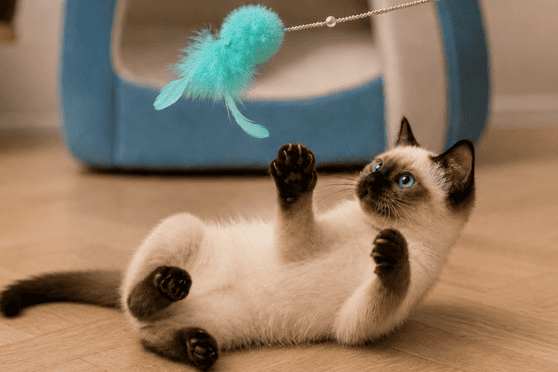 What toys should you choose for your cat? Understanding their preferences to help them play betterRead more
All cats play, but not always in the same way. Some pounce at the slightest movement, others prefer to watch for a...
-
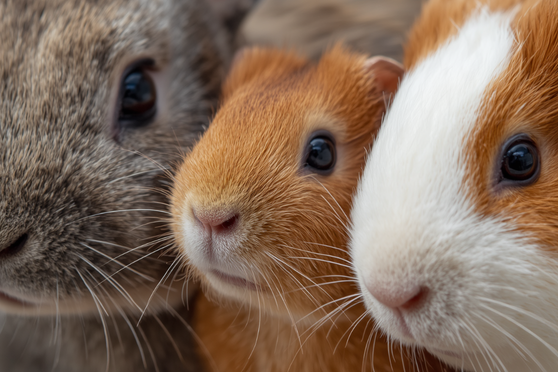 Adopting a NAC: the questions to ask before falling for oneRead more
Rabbit, guinea pig, hamster, pet rat, ferret, gerbil, bird or reptile: NAC often appeal because of their small size,...
-
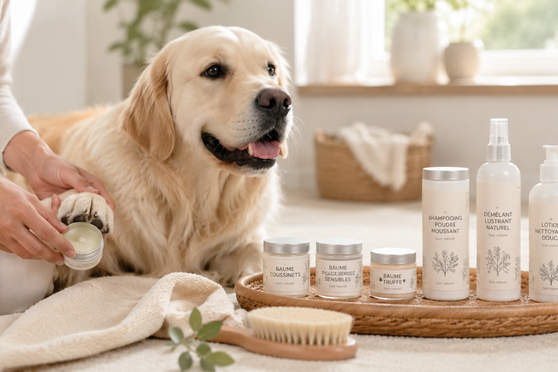 Dog care: what is it for, and what should you do every day?Read more
Caring for your dog is not only about feeding them, walking them and giving them attention. Their skin, coat, paw...
Blog categories
Search in blog

Chew Toys for Rabbits: Essential for Their Well-Being and Teeth
Our rabbits, like all good little nibblers, love to chew! What might seem like a simple pastime is in fact vital to their health. Chewing helps them wear down their teeth naturally, stay occupied, and relax. Offering the right chew toys is more than a kind gesture – it’s a key part of caring for your rabbit.
Teeth That Grow for Life
Did you know that a rabbit’s teeth grow continuously – up to 12 cm a year?
In the wild, rabbits naturally grind them down by chewing grass, wood and fibrous plants all day long.
At home, if they don’t have anything suitable to chew on, they may turn to furniture, skirting boards, or even electrical cables! This can lead to dental issues (malocclusion) and difficulty eating.
Providing safe chew toys is therefore essential for their health.
Why Chew Toys Are So Beneficial
Besides helping keep teeth at the right length, chew toys offer many other benefits:
- stress relief – chewing helps calm and soothe;
- mental stimulation – encourages exploration and curiosity;
- boredom prevention – ideal for indoor or solitary rabbits;
- gentle physical activity – pushing, pulling and carrying toys.
How to Choose the Right Toy
The best chew toy is one that suits your rabbit’s personality.
Some rabbits prefer wood, others rope, rattan, compressed hay, or bamboo.
Here are a few popular options:
- Natural wood toys – blocks or sticks of willow, hazel, or applewood;
- Hay balls and rolls – fill them with hay or dried herbs for extra fun;
- Loofah toys, rings, or carrots – lightweight and easy to grab;
- Hanging toys – encourage movement and exploration;
- Enriched chew blocks – made from compressed hay, carrots, or dried flowers for extra taste and texture.
Tip: Rotate the toys regularly to keep your rabbit interested and prevent boredom.
Care and Safety Tips
- Always choose untreated, natural materials (raw wood, cotton rope, rattan, bamboo).
- Avoid plastic or painted items.
- Check toys regularly and replace them if worn or damaged.
- Offer new toys frequently to keep things exciting.
In Summary
Chew toys are not just accessories – they fulfil a vital need and directly support your rabbit’s physical and emotional balance.
By offering variety in shape, texture and material, you help maintain their well-being and dental health.
And since a happy rabbit is a curious rabbit, keep introducing new toys to explore – they’ll thank you with joy and playful energy!
Related posts
-
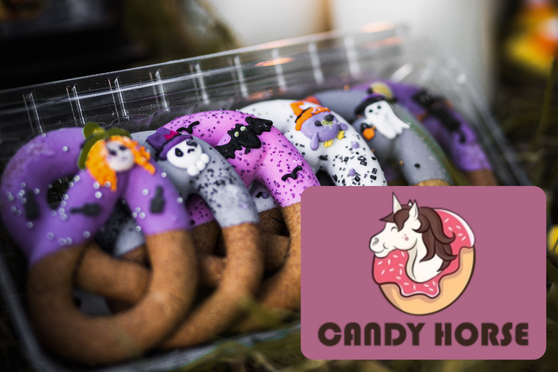 Candy Horse Treats for Horses – Natural & Delicious
Discover Candy Horse treats for horses: natural, handcrafted, and tasty. Reward your horse with healthy snacks and...Read more
-
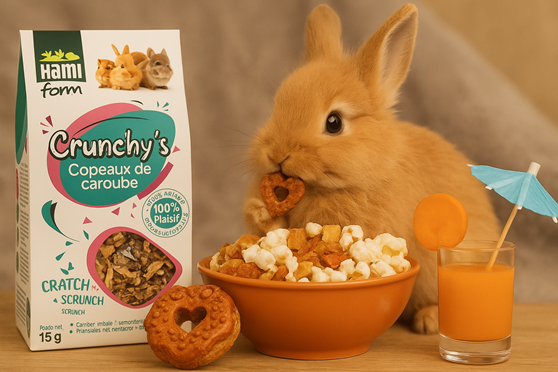 Healthy Rabbit Treats: Combining Taste and Nutrition
Treat your rabbit with healthy and natural snacks! Discover which treats to favor (herbs, flowers, hay, dried...Read more
-
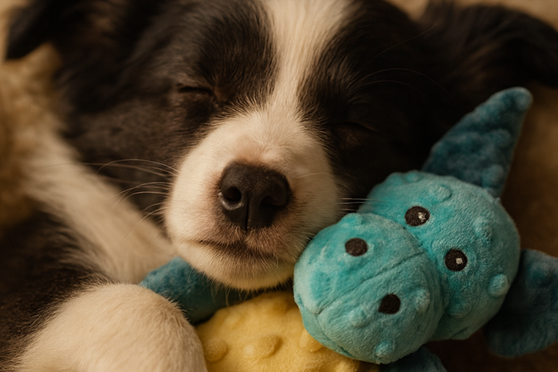 Does My Dog Need a Comfort Toy?
A comfort toy is more than just a plaything. It offers reassurance, reduces stress, and helps ease loneliness –...Read more
-
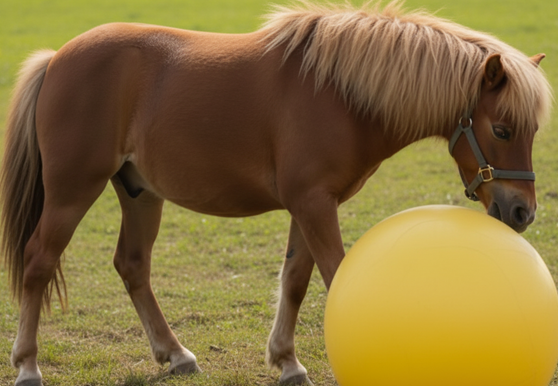 Horse Toys: How to Keep Your Horse Busy and Prevent Boredom
Horses are naturally curious, social, and active animals that need variety and stimulation to thrive. When deprived...Read more
-
 Catnip: Why Do Cats Love It So Much?
Catnip, also known as catmint or cataire, is a favourite among cat lovers. A sprinkle on a scratching post or a toy...Read more
Leave a comment