
Autumn is probably one of the most beautiful seasons for walking your dog: the light is soft, the forest smells of...
Latest posts
-
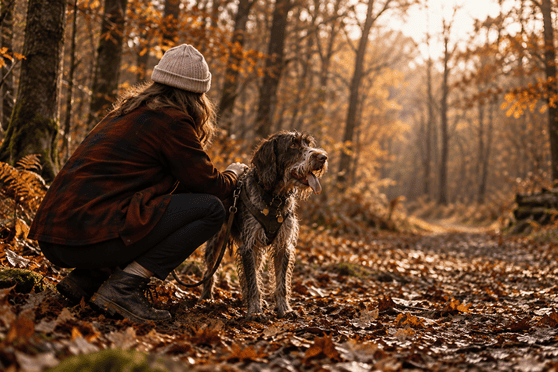 Autumn with your dog: small dangers to watch out for on walksRead more
 -
 Pet Parents: Welcome to a Club We’re (Finally) Happy to Own Up ToRead more
Just ten years ago, calling yourself your cat’s “parent” would have raised a few eyebrows. People would smile...
-
 Halloween with your pet: ideas, treats and precautions for dogs, cats, rabbits and horsesRead more
Halloween is slowly making its way into our homes, with pumpkins appearing on doorsteps and orange garlands...
-
 Rewarding your dog without spoiling them: finding the right balance between treats, praise and playRead more
Treats, praise or play: rewarding your dog well is not about giving more, but about choosing the right moment and the...
-
 How to Keep Your Dog Busy at Home: 4 Situations and SolutionsRead more
It has been raining since this morning, and the evening walk ended at the corner of the street. Your dog has just had...
-
 Waste-Conscious Treats for pets: giving pleasure without wasteRead more
Seeing a close date on a pet product can make you hesitate. That is perfectly normal. When it comes to our...
-
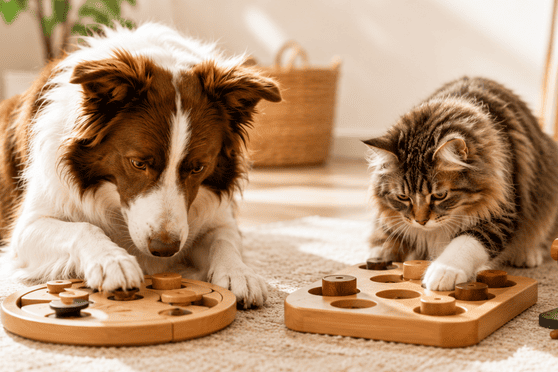 Intelligence Games for Dogs and Cats: The Secret to a Happy (and Finally Tired) PetRead more
He has already chewed through half the sofa. He barks at the door as soon as you leave for work. She spends all day...
-
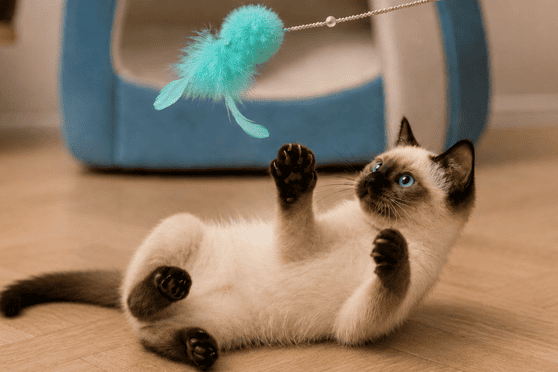 What toys should you choose for your cat? Understanding their preferences to help them play betterRead more
All cats play, but not always in the same way. Some pounce at the slightest movement, others prefer to watch for a...
-
 Adopting a NAC: the questions to ask before falling for oneRead more
Rabbit, guinea pig, hamster, pet rat, ferret, gerbil, bird or reptile: NAC often appeal because of their small size,...
-
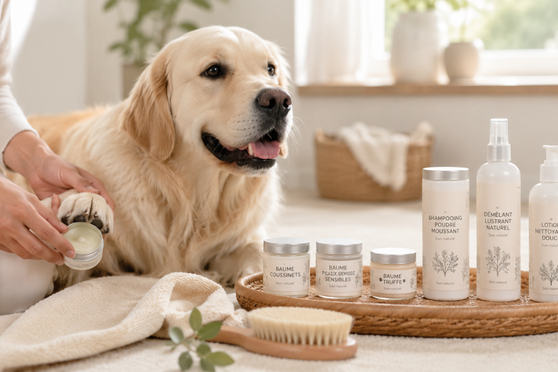 Dog care: what is it for, and what should you do every day?Read more
Caring for your dog is not only about feeding them, walking them and giving them attention. Their skin, coat, paw...
Blog categories
Search in blog
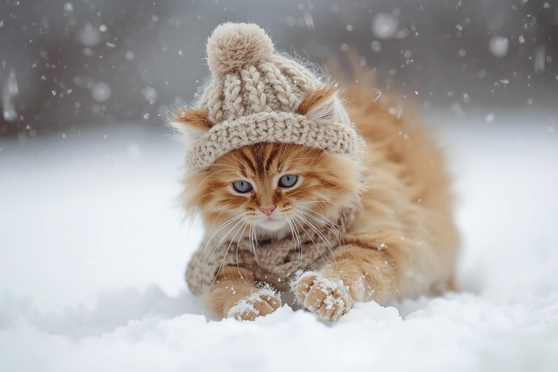
Cold Weather and Animals: Do They Really Get Cold and How Can You Protect Them in Winter?
As temperatures drop, many pet owners ask the same question every winter: do animals feel the cold like we do? The answer is more nuanced than it seems. Not all animals experience cold in the same way, and it is not just about temperature. Humidity, wind, age, health and lifestyle all play a decisive role.
Dogs, cats, horses living outdoors, rabbits that go outside… let’s take a closer look at when cold becomes a real issue, how to protect animals effectively, and how to recognise warning signs early.
Do animals get cold? A matter of thresholds and conditions
Animals have natural mechanisms to regulate their body temperature: fur, undercoat, fat reserves and resting posture. However, these protections have limits, especially when several challenging factors occur together.
Dry cold vs damp cold: a crucial difference
A frequently underestimated factor is that damp cold is far more dangerous than dry cold. Rain, humidity, wind or a cold, wet ground surface accelerate heat loss, even at relatively mild temperatures.
Key point: an animal at 5 °C in wet and windy conditions may be more at risk than one at 0 °C in a dry, sheltered environment.
When should you start worrying? Practical guidelines by species
These figures are indicative only. Acclimatisation, body size, health and living conditions are just as important as the temperature itself.
Dogs
- Small dogs, short-haired breeds, puppies and senior dogs: increased vigilance from around 7–10 °C, especially in damp conditions.
- Robust dogs with a double coat: often comfortable down to 0 °C or below in dry weather.
Cats
- Indoor cats: more sensitive to cold, vigilance from around 8–10 °C.
- Outdoor cats: generally better adapted, but highly vulnerable to humidity and draughts.
Horses living outdoors
- A healthy, unclipped horse usually tolerates dry cold well.
- Wind + rain + clipping can pose a real risk, even when temperatures are above freezing.
Rabbits that go outside
- Extremely sensitive to humidity and draughts.
- Dry cold is only acceptable if the shelter is perfectly dry, insulated and draught-free.
How can you protect your animal effectively from the cold?
1) Adapt the environment first
Before thinking about accessories, the priority is a dry, insulated and wind-protected environment: suitable bedding raised off the ground, with insulating materials such as straw, animal bedding or specially designed thermal mats.
Warning: damp or poorly ventilated fabrics can actually increase heat loss.
2) Should you put a coat on your animal?
The answer depends on the species and the individual animal.
Dogs
- Coats can be helpful for cold-sensitive dogs, senior animals, those recovering from illness, or during long walks in wet weather.
- They should be well-fitted, breathable and removed indoors.
Cats
- Rarely necessary indoors.
- For outdoor cats, a dry, insulated shelter is far more effective than clothing.
Horses
- The need for a rug depends on clipping, age, body condition and weather conditions.
- An ill-fitting or wet rug can cause rubbing, overheating or excessive cooling.
Rabbits
- Rabbits should not be covered. Instead, the living space must be insulated, not the animal itself.
3) Nutrition and hydration also matter
In winter, maintaining body temperature requires more energy. Depending on the species and lifestyle, a slight dietary adjustment may be appropriate, without leading to overweight, which is common in indoor animals.
For animals kept outdoors, always ensure that water does not freeze.
How can you tell if your animal is cold?
Animals do not express discomfort verbally, but behavioural changes are often very clear.
Common warning signs
- Curled-up posture, actively seeking warmth
- Persistent shivering
- Unusual lethargy or stiffness
- Cold ears or paws
- In horses: tense back, permanently raised coat, gradual loss of body condition
When should you be concerned and seek help?
Exposure to cold can weaken the immune system and increase the risk of respiratory infections, joint pain and general illness.
Seek veterinary advice promptly if you notice:
- Coughing, sneezing or nasal discharge
- Marked tiredness, apathy or withdrawal
- Loss of appetite or reduced drinking
- Abnormal breathing
- Lameness or obvious pain
- Suspected hypothermia: very cold, unresponsive or “absent” animal
Important: if hypothermia is suspected, never rewarm an animal abruptly. Gradual warming and immediate veterinary care are essential.
Often overlooked winter risks
- De-icing salt: irritating and toxic if ingested; damages paw pads.
- Frozen water: check bowls several times a day.
- Engines and garages: attract cats – always check before starting a car.
- Cold floors: can worsen arthritis in older animals.
- Humidity: wet fur or damp bedding accelerates heat loss.
Conclusion
Yes, animals can feel the cold — but not all in the same way, and not under the same conditions. The real danger is often not temperature alone, but the combination of cold, humidity, wind and fatigue.
By observing your animal closely, adapting their environment and taking preventive action, you provide the best protection. A well-protected animal will cope with winter more comfortably, safely and healthily.
FAQ – What science tells us about cold and animals
Sources: veterinary recommendations (companion animals and exotic pets), physiological data on thermoregulation, and publications from animal welfare organisations regarding winter housing and care.
Is dampness more dangerous than cold itself?Very often, yes. Moisture and wind greatly increase heat loss because wet fur insulates poorly. This significantly raises the risk of hypothermia.
Why do some animals seem to tolerate cold so well?Animals with a dense undercoat or larger body mass lose heat more slowly. However, they are still vulnerable when exposed to damp conditions, inactivity, old age or illness.
Are young and elderly animals more at risk?Yes. Young animals regulate body temperature less efficiently, while older animals often have reduced muscle mass and cool down more quickly.
Does a coat always keep a dog warm?Only if it is appropriate. Fit, breathability and dryness are essential. An unsuitable coat can actually do more harm than good.
Why are paw pads particularly vulnerable in winter?Cold, de-icing salt and abrasive surfaces damage the skin of paw pads, leading to cracks and infections. Rinsing with lukewarm water and using appropriate paw care can help.
How can hypothermia be recognised?Possible signs include extreme weakness, very cold extremities, slow or abnormal breathing and apathy. This is an emergency requiring immediate veterinary attention.
Do horses always need a rug in winter?Not necessarily. Unclipped horses often cope well with dry cold if they have shelter from wind. Rain, wind and clipping significantly change their needs.
Can rabbits stay outdoors during winter?Only under optimal conditions: a completely dry, insulated, draught-free and secure enclosure. Humidity represents a major risk for rabbits.
What should you do after a wet winter walk?Dry the belly and paws thoroughly and provide a warm, dry resting place. In the following days, monitor for coughing, lethargy or reduced appetite.
Posted in:
Our World
Related posts
-
 Candy Horse Treats for Horses – Natural & Delicious
Discover Candy Horse treats for horses: natural, handcrafted, and tasty. Reward your horse with healthy snacks and...Read more
Candy Horse Treats for Horses – Natural & Delicious
Discover Candy Horse treats for horses: natural, handcrafted, and tasty. Reward your horse with healthy snacks and...Read more -
 Healthy Rabbit Treats: Combining Taste and Nutrition
Treat your rabbit with healthy and natural snacks! Discover which treats to favor (herbs, flowers, hay, dried...Read more
Healthy Rabbit Treats: Combining Taste and Nutrition
Treat your rabbit with healthy and natural snacks! Discover which treats to favor (herbs, flowers, hay, dried...Read more -
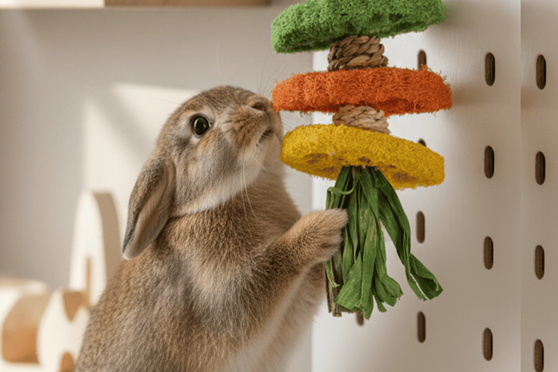 Chew Toys for Rabbits: Essential for Their Well-Being and Teeth
Our rabbits, like all good little nibblers, love to chew! What might seem like a simple pastime is in fact vital to...Read more
Chew Toys for Rabbits: Essential for Their Well-Being and Teeth
Our rabbits, like all good little nibblers, love to chew! What might seem like a simple pastime is in fact vital to...Read more -
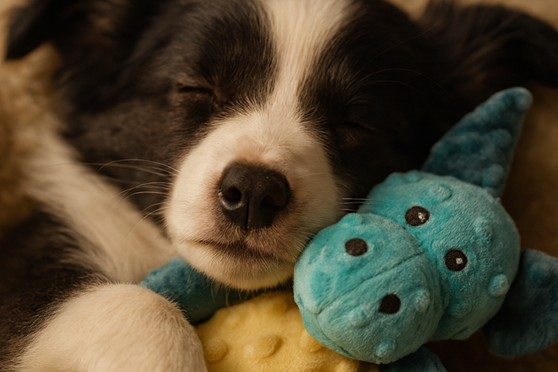 Does My Dog Need a Comfort Toy?
A comfort toy is more than just a plaything. It offers reassurance, reduces stress, and helps ease loneliness –...Read more
Does My Dog Need a Comfort Toy?
A comfort toy is more than just a plaything. It offers reassurance, reduces stress, and helps ease loneliness –...Read more -
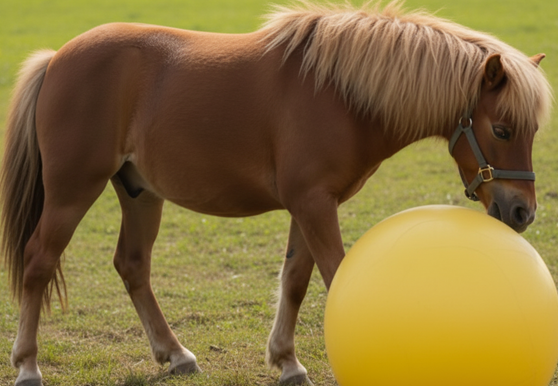 Horse Toys: How to Keep Your Horse Busy and Prevent Boredom
Horses are naturally curious, social, and active animals that need variety and stimulation to thrive. When deprived...Read more
Horse Toys: How to Keep Your Horse Busy and Prevent Boredom
Horses are naturally curious, social, and active animals that need variety and stimulation to thrive. When deprived...Read more
Leave a comment