
Autumn is probably one of the most beautiful seasons for walking your dog: the light is soft, the forest smells of...
Latest posts
-
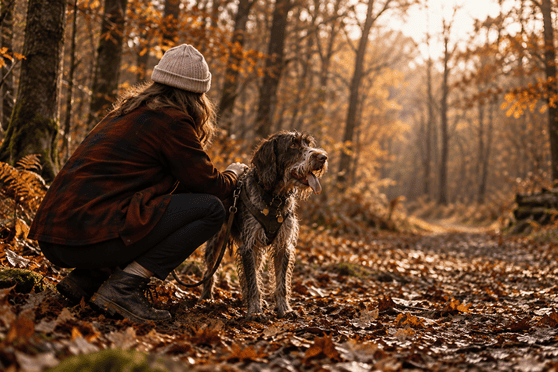 Autumn with your dog: small dangers to watch out for on walksRead more
 -
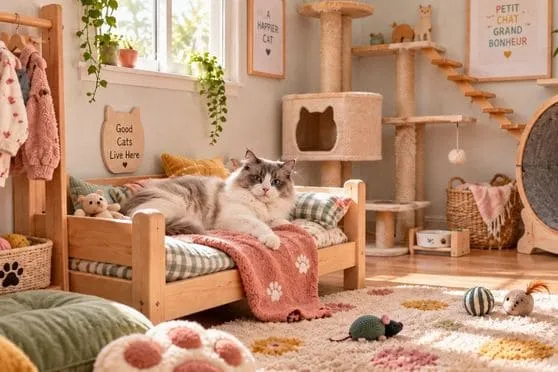 Pet Parents: Welcome to a Club We’re (Finally) Happy to Own Up ToRead more
Just ten years ago, calling yourself your cat’s “parent” would have raised a few eyebrows. People would smile...
-
 Halloween with your pet: ideas, treats and precautions for dogs, cats, rabbits and horsesRead more
Halloween is slowly making its way into our homes, with pumpkins appearing on doorsteps and orange garlands...
-
 Rewarding your dog without spoiling them: finding the right balance between treats, praise and playRead more
Treats, praise or play: rewarding your dog well is not about giving more, but about choosing the right moment and the...
-
 How to Keep Your Dog Busy at Home: 4 Situations and SolutionsRead more
It has been raining since this morning, and the evening walk ended at the corner of the street. Your dog has just had...
-
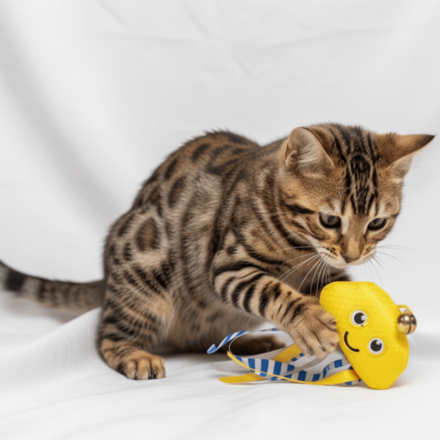 Waste-Conscious Treats for pets: giving pleasure without wasteRead more
Seeing a close date on a pet product can make you hesitate. That is perfectly normal. When it comes to our...
-
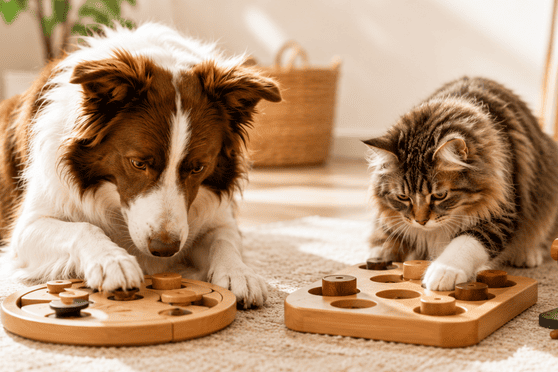 Intelligence Games for Dogs and Cats: The Secret to a Happy (and Finally Tired) PetRead more
He has already chewed through half the sofa. He barks at the door as soon as you leave for work. She spends all day...
-
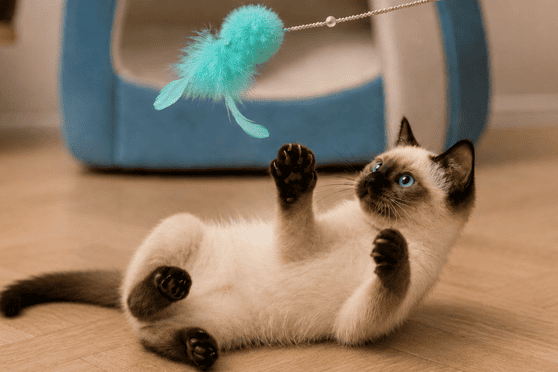 What toys should you choose for your cat? Understanding their preferences to help them play betterRead more
All cats play, but not always in the same way. Some pounce at the slightest movement, others prefer to watch for a...
-
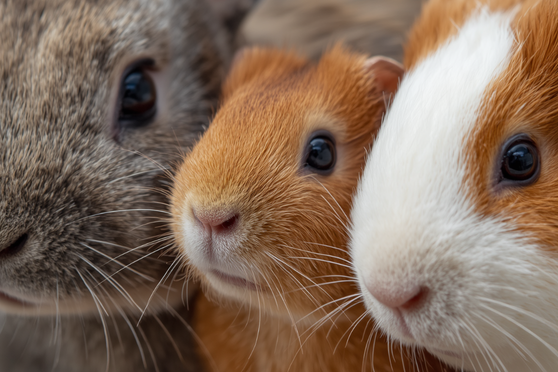 Adopting a NAC: the questions to ask before falling for oneRead more
Rabbit, guinea pig, hamster, pet rat, ferret, gerbil, bird or reptile: NAC often appeal because of their small size,...
-
 Dog care: what is it for, and what should you do every day?Read more
Caring for your dog is not only about feeding them, walking them and giving them attention. Their skin, coat, paw...
Blog categories
Search in blog

Is My Animal Happy? The True Indicators of Well-Being… and the Misleading Signs
We like to believe that our animals are happy. Because they eat well. Because they sometimes play. Because they curl up next to us. But animal well-being cannot be reduced to the absence of illness or a handful of “cute” behaviours.
Dogs, cats, rabbits and horses: each species expresses comfort, discomfort or contentment in its own way — often subtly, sometimes in ways that are easy to misinterpret. Some signals we instinctively see as positive may in fact conceal stress, boredom or forced adaptation.
So how can we tell if an animal is truly well, both mentally and physically?
What are the reliable indicators of well-being — and which false friends can lead us astray?
Let’s take a closer look, through the lens of ethology, careful observation and informed common sense.
Animal well-being: far more than simple comfort
Animal well-being is based on a global balance between physical, emotional, cognitive and social needs. An animal may appear calm, compliant or “easy to live with” — and yet be deeply frustrated or resigned.
Behavioural science highlights a key principle: a happy animal is one that can express its natural behaviours, make choices and interact with its environment.
The true indicators of well-being: what really matters
Stable, flexible and coherent behaviour
An animal that feels well shows emotional balance. It is neither constantly on alert nor apathetic. It alternates between rest and activity, curiosity and withdrawal.
The ability to cope with small changes in daily routine without excessive stress is a strong indicator of emotional security.
Preserved curiosity (even when it is discreet)
Contrary to popular belief, well-being does not always manifest as high activity. An animal can be calm and still attentive: observing, exploring, sniffing and listening.
In cats, rabbits and horses, this curiosity is often subtle but consistently present.
Natural behaviours expressed freely
Gnawing, digging, foraging, sniffing, rolling, interacting socially with humans or conspecifics — these behaviours are essential to mental balance.
The prolonged absence of such behaviours is often more concerning than occasional excess.
Clear and readable communication
An animal that feels safe communicates. It expresses limits, discomfort and the desire for interaction.
An animal that “says nothing anymore” is not necessarily easy — it may be resigned.
The misleading signs of well-being: common misinterpretations
“They sleep a lot, so they must be fine”
Sleep is necessary, but excessive inactivity can also indicate boredom, lack of stimulation or avoidance behaviour.
For some animals, sleeping becomes a default activity when the environment offers few alternatives.
“They are calm and obedient”
An extremely compliant, quiet animal that never shows frustration is not automatically a happy one.
Excessive submission or a lack of reaction can be signs of chronic stress or learned helplessness.
“They eat well, so everything is fine”
Appetite is only one indicator. Some animals eat to compensate for emotional discomfort, stress or under-stimulation.
“They constantly seek affection”
Seeking contact can reflect a strong bond — but also a need for reassurance. What matters is the context, frequency and balance between dependence and autonomy.
What deeply influences well-being — and is often underestimated
The daily environment
Noise, smells, lighting, human movement, opportunities to hide or to gain height: the environment plays a central role in emotional balance.
The ability to make choices
Being able to choose where to rest, when to interact and how to explore is fundamental. Even partial control over daily life supports well-being.
Mental stimulation
Well-being is not limited to physical exercise. Thinking, problem-solving and controlled novelty are essential to prevent boredom and frustration.
When should you be concerned?
Certain signs deserve attention, especially when they persist over time:
- unusual withdrawal or isolation,
- repetitive or stereotypical behaviours,
- loss of curiosity,
- hypervigilance or exaggerated reactions,
- sudden behavioural changes without an obvious cause.
Gradual changes are often more revealing than isolated incidents.
Conclusion
A happy animal is not a perfect animal — not always calm, not always playful. It is an animal that can be itself, express its needs, emotions and limits, within an environment that respects them.
Learning to recognise the true indicators of well-being means looking beyond appearances — and building a fairer, more balanced and deeper relationship.
FAQ – What science tells us about animal well-being
Sources: applied ethology, veterinary recommendations, and research on chronic stress and animal well-being (companion and domestic animals).
Can an animal appear happy while still being stressed?Yes. Some animals develop coping strategies that mask stress. Apparent calmness may actually reflect resignation.
Is well-being the same for all species?The core principles are similar (security, control, stimulation), but their expression varies depending on species, individual temperament and life history.
Can well-being be improved without changing everything?Yes. Small adjustments — environmental enrichment, respect for individual rhythms, more varied stimulation — can make a significant difference.
Can excessive attachment indicate reduced well-being?Excessive dependence may point to a lack of emotional security or insufficient autonomous activity.
Does well-being change with age?Yes. Needs evolve over time, and the environment should be adapted accordingly to maintain balance.
Posted in:
Our World
Related posts
-
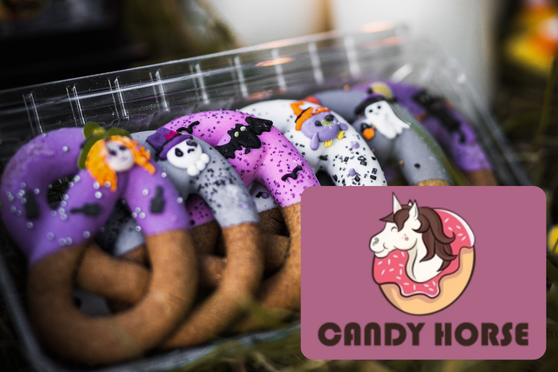 Candy Horse Treats for Horses – Natural & Delicious
Discover Candy Horse treats for horses: natural, handcrafted, and tasty. Reward your horse with healthy snacks and...Read more
Candy Horse Treats for Horses – Natural & Delicious
Discover Candy Horse treats for horses: natural, handcrafted, and tasty. Reward your horse with healthy snacks and...Read more -
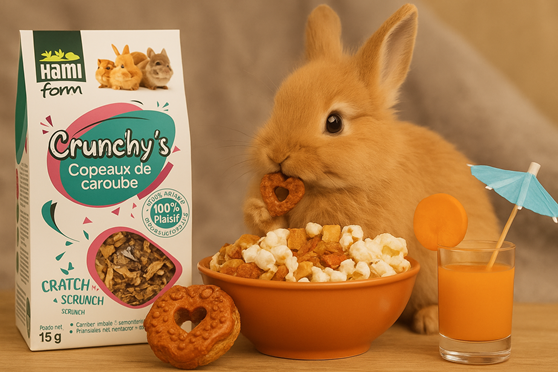 Healthy Rabbit Treats: Combining Taste and Nutrition
Treat your rabbit with healthy and natural snacks! Discover which treats to favor (herbs, flowers, hay, dried...Read more
Healthy Rabbit Treats: Combining Taste and Nutrition
Treat your rabbit with healthy and natural snacks! Discover which treats to favor (herbs, flowers, hay, dried...Read more -
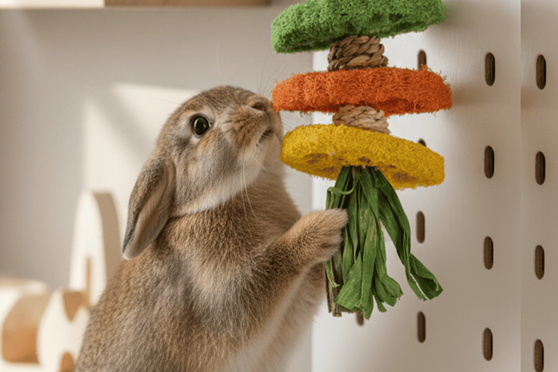 Chew Toys for Rabbits: Essential for Their Well-Being and Teeth
Our rabbits, like all good little nibblers, love to chew! What might seem like a simple pastime is in fact vital to...Read more
Chew Toys for Rabbits: Essential for Their Well-Being and Teeth
Our rabbits, like all good little nibblers, love to chew! What might seem like a simple pastime is in fact vital to...Read more -
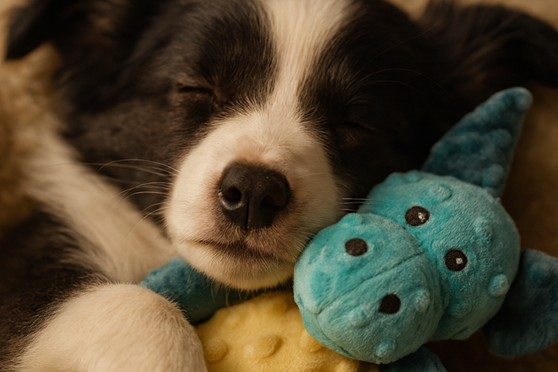 Does My Dog Need a Comfort Toy?
A comfort toy is more than just a plaything. It offers reassurance, reduces stress, and helps ease loneliness –...Read more
Does My Dog Need a Comfort Toy?
A comfort toy is more than just a plaything. It offers reassurance, reduces stress, and helps ease loneliness –...Read more -
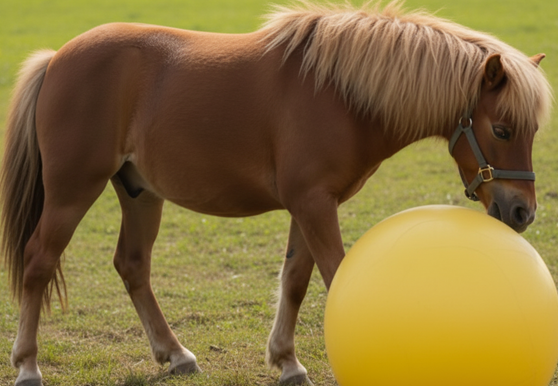 Horse Toys: How to Keep Your Horse Busy and Prevent Boredom
Horses are naturally curious, social, and active animals that need variety and stimulation to thrive. When deprived...Read more
Horse Toys: How to Keep Your Horse Busy and Prevent Boredom
Horses are naturally curious, social, and active animals that need variety and stimulation to thrive. When deprived...Read more
Leave a comment