
Autumn is probably one of the most beautiful seasons for walking your dog: the light is soft, the forest smells of...
Latest posts
-
 Autumn with your dog: small dangers to watch out for on walksRead more
 -
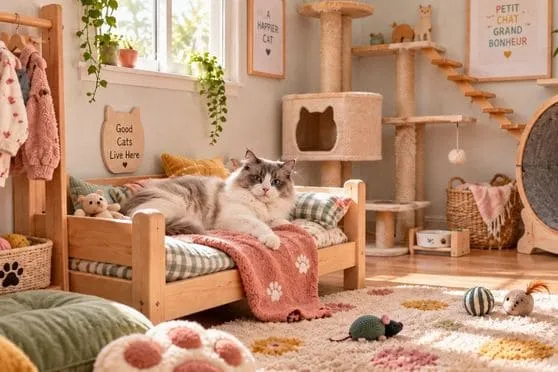 Pet Parents: Welcome to a Club We’re (Finally) Happy to Own Up ToRead more
Just ten years ago, calling yourself your cat’s “parent” would have raised a few eyebrows. People would smile...
-
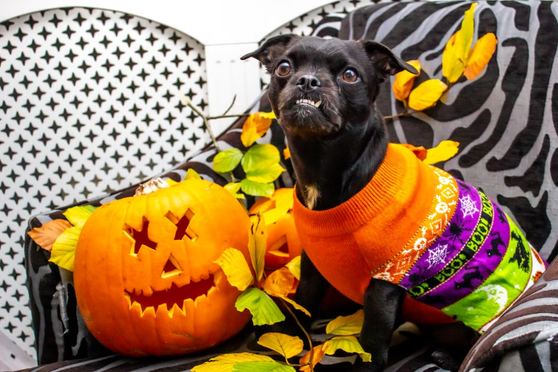 Halloween with your pet: ideas, treats and precautions for dogs, cats, rabbits and horsesRead more
Halloween is slowly making its way into our homes, with pumpkins appearing on doorsteps and orange garlands...
-
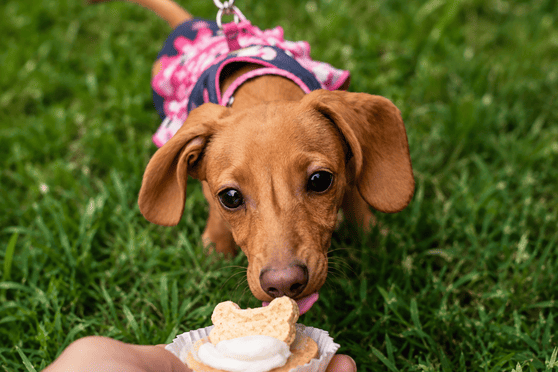 Rewarding your dog without spoiling them: finding the right balance between treats, praise and playRead more
Treats, praise or play: rewarding your dog well is not about giving more, but about choosing the right moment and the...
-
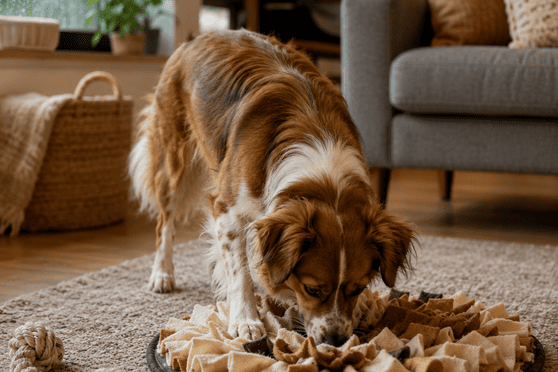 How to Keep Your Dog Busy at Home: 4 Situations and SolutionsRead more
It has been raining since this morning, and the evening walk ended at the corner of the street. Your dog has just had...
-
 Waste-Conscious Treats for pets: giving pleasure without wasteRead more
Seeing a close date on a pet product can make you hesitate. That is perfectly normal. When it comes to our...
-
 Intelligence Games for Dogs and Cats: The Secret to a Happy (and Finally Tired) PetRead more
He has already chewed through half the sofa. He barks at the door as soon as you leave for work. She spends all day...
-
 What toys should you choose for your cat? Understanding their preferences to help them play betterRead more
All cats play, but not always in the same way. Some pounce at the slightest movement, others prefer to watch for a...
-
 Adopting a NAC: the questions to ask before falling for oneRead more
Rabbit, guinea pig, hamster, pet rat, ferret, gerbil, bird or reptile: NAC often appeal because of their small size,...
-
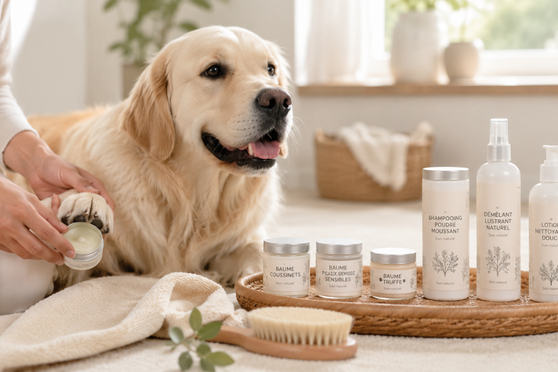 Dog care: what is it for, and what should you do every day?Read more
Caring for your dog is not only about feeding them, walking them and giving them attention. Their skin, coat, paw...
Blog categories
Search in blog
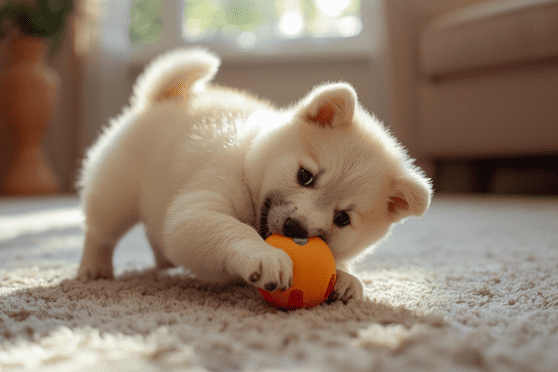
How to Choose a Healthy and Suitable Toy for a Puppy: The Right Criteria for a Good Start
A toy is one of the very first objects placed between a puppy’s paws — and, above all, between its teeth. It accompanies early discoveries, soothes teething discomfort, helps channel energy and contributes to emotional balance. Yet not all toys are created equal, and a poor choice can sometimes lead to frustration, boredom… or minor accidents.
Choosing a toy for a puppy is neither random nor purely aesthetic. Materials, shape, use, the puppy’s age and supervision all play a role in ensuring safety, enjoyment and healthy learning.
So how can you recognise a truly healthy and suitable toy for a puppy?
What are the right criteria to keep in mind, and which common mistakes can be avoided without going to extremes?
Here is a clear, balanced and well-informed guide.
Why choosing the right toy is crucial for a puppy
Puppies explore the world primarily with their mouths. Chewing, mouthing, pulling and shaking are all part of normal development. A toy therefore becomes an essential support — helping with teething, environmental exploration and emotional regulation.
An unsuitable toy can lead to frustration, encourage unwanted behaviours (such as destructive chewing or inappropriate biting) or, in some cases, pose a health risk.
The essential criteria for a healthy puppy toy
A material adapted to teething
In puppies, teeth are still developing. A toy should be soft enough not to damage baby teeth, while offering enough resistance to soothe the gums.
High-quality, tested materials specifically designed for dogs should always be prioritised. Natural latex, for example, can be a relevant option when properly formulated, free from harmful substances and used under supervision.
A safe size and shape
The toy must be adapted to the size of the puppy’s mouth: neither too small (risk of swallowing) nor too large (source of frustration).
Simple shapes without small detachable parts help reduce risks. A good puppy toy is designed to be easy to grip, chew and manipulate.
A balanced level of resistance
Contrary to popular belief, an extremely hard toy is not necessarily safer or more effective. Excessive hardness can strain the jaw or discourage the puppy.
The goal is balance: the toy should withstand normal chewing while remaining comfortable and enjoyable to use.
A healthy toy still needs clear rules
Supervision remains essential
No toy — even a high-quality one — is intended to be left permanently available to a very young puppy without supervision. Monitoring play allows wear to be checked, inappropriate behaviour to be corrected and positive experiences to be ensured.
Variety helps prevent boredom
A puppy that always has access to the same toy may quickly lose interest. Rotating textures, shapes and functions keeps play stimulating and supports balanced development.
A toy is not an outlet for frustration
Toys support learning, but they do not replace human interaction or supervised playtime. Used thoughtfully, a toy becomes an educational and emotional tool.
Common mistakes to avoid (without dramatizing)
Using objects not designed for dogs
Household items, children’s toys or materials not intended for dogs may seem convenient, but they do not meet canine safety standards.
Providing too many toys without structure
An overload of toys can reduce clarity and interest. A small number of well-chosen toys is often more beneficial.
Confusing “natural” with “risk-free”
A material of natural origin is not automatically suitable for a puppy. Design, processing and appropriate use are what truly matter.
How to integrate toys into a puppy’s daily routine
Toys can be valuable learning supports:
- to help channel energy during periods of excitement,
- to relieve teething discomfort,
- to strengthen the human–dog bond through shared play,
- to teach frustration tolerance and waiting.
A well-chosen toy contributes to a calmer puppy… and a more harmonious daily life.
Conclusion
Choosing a healthy and suitable toy for a puppy is not about finding the perfect toy, but about making informed choices. Quality materials, thoughtful design, supervised use and attentive observation are the true foundations of a good start.
A carefully selected toy accompanies the puppy as it discovers the world, supports its development and lays the groundwork for a balanced and trusting relationship.
FAQ – What science tells us about play in puppies
Sources: canine ethology, veterinary recommendations, and studies on teething and behavioural development in puppies.
Why do puppies have such a strong need to chew?Chewing helps relieve gum discomfort during teething and supports emotional regulation. It is a normal and necessary behaviour.
Can a toy that is too hard be problematic?Yes. Excessive hardness can lead to premature tooth wear or discourage the puppy. Age-appropriate selection is essential.
How many toys should a puppy have?A few carefully selected toys, rotated regularly, are more beneficial than a large number left permanently available.
Does play replace training?No. Play is a valuable support, but it complements training rather than replacing it.
When should a puppy’s toys be replaced?As the puppy grows, when dentition changes and chewing strength increases.
Related posts
-
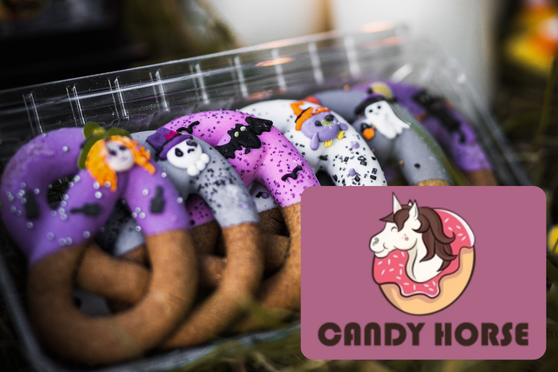 Candy Horse Treats for Horses – Natural & Delicious
Discover Candy Horse treats for horses: natural, handcrafted, and tasty. Reward your horse with healthy snacks and...Read more
Candy Horse Treats for Horses – Natural & Delicious
Discover Candy Horse treats for horses: natural, handcrafted, and tasty. Reward your horse with healthy snacks and...Read more -
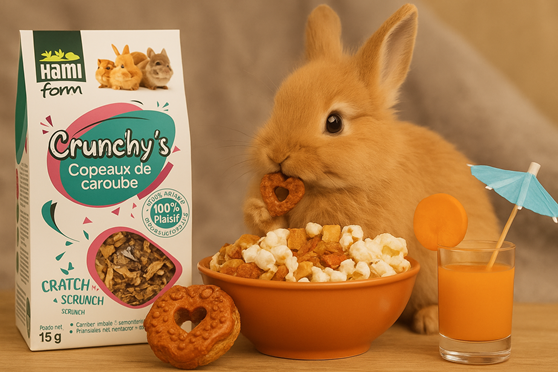 Healthy Rabbit Treats: Combining Taste and Nutrition
Treat your rabbit with healthy and natural snacks! Discover which treats to favor (herbs, flowers, hay, dried...Read more
Healthy Rabbit Treats: Combining Taste and Nutrition
Treat your rabbit with healthy and natural snacks! Discover which treats to favor (herbs, flowers, hay, dried...Read more -
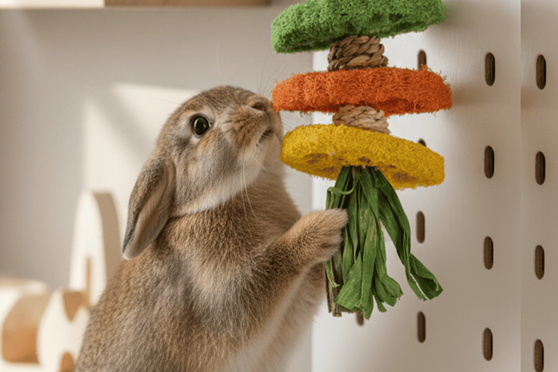 Chew Toys for Rabbits: Essential for Their Well-Being and Teeth
Our rabbits, like all good little nibblers, love to chew! What might seem like a simple pastime is in fact vital to...Read more
Chew Toys for Rabbits: Essential for Their Well-Being and Teeth
Our rabbits, like all good little nibblers, love to chew! What might seem like a simple pastime is in fact vital to...Read more -
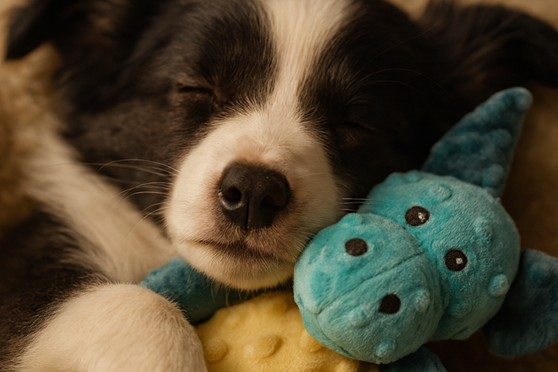 Does My Dog Need a Comfort Toy?
A comfort toy is more than just a plaything. It offers reassurance, reduces stress, and helps ease loneliness –...Read more
Does My Dog Need a Comfort Toy?
A comfort toy is more than just a plaything. It offers reassurance, reduces stress, and helps ease loneliness –...Read more -
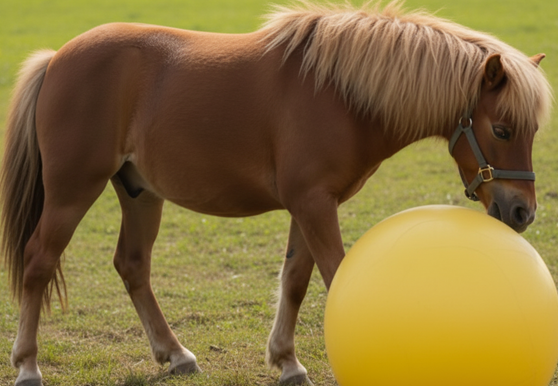 Horse Toys: How to Keep Your Horse Busy and Prevent Boredom
Horses are naturally curious, social, and active animals that need variety and stimulation to thrive. When deprived...Read more
Horse Toys: How to Keep Your Horse Busy and Prevent Boredom
Horses are naturally curious, social, and active animals that need variety and stimulation to thrive. When deprived...Read more
Leave a comment