
Autumn is probably one of the most beautiful seasons for walking your dog: the light is soft, the forest smells of...
Latest posts
-
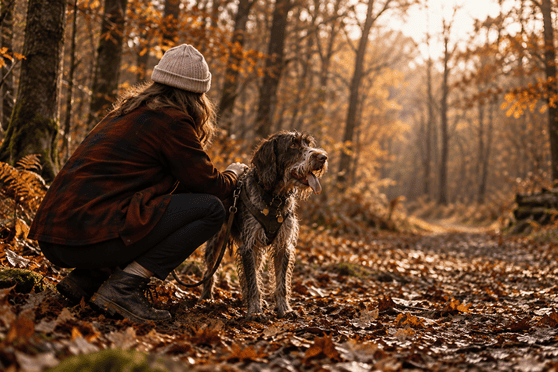 Autumn with your dog: small dangers to watch out for on walksRead more
 -
 Pet Parents: Welcome to a Club We’re (Finally) Happy to Own Up ToRead more
Just ten years ago, calling yourself your cat’s “parent” would have raised a few eyebrows. People would smile...
-
 Halloween with your pet: ideas, treats and precautions for dogs, cats, rabbits and horsesRead more
Halloween is slowly making its way into our homes, with pumpkins appearing on doorsteps and orange garlands...
-
 Rewarding your dog without spoiling them: finding the right balance between treats, praise and playRead more
Treats, praise or play: rewarding your dog well is not about giving more, but about choosing the right moment and the...
-
 How to Keep Your Dog Busy at Home: 4 Situations and SolutionsRead more
It has been raining since this morning, and the evening walk ended at the corner of the street. Your dog has just had...
-
 Waste-Conscious Treats for pets: giving pleasure without wasteRead more
Seeing a close date on a pet product can make you hesitate. That is perfectly normal. When it comes to our...
-
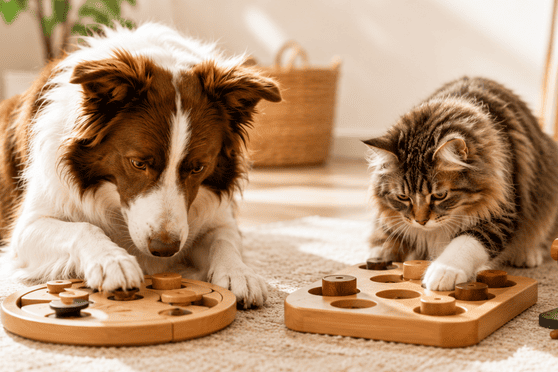 Intelligence Games for Dogs and Cats: The Secret to a Happy (and Finally Tired) PetRead more
He has already chewed through half the sofa. He barks at the door as soon as you leave for work. She spends all day...
-
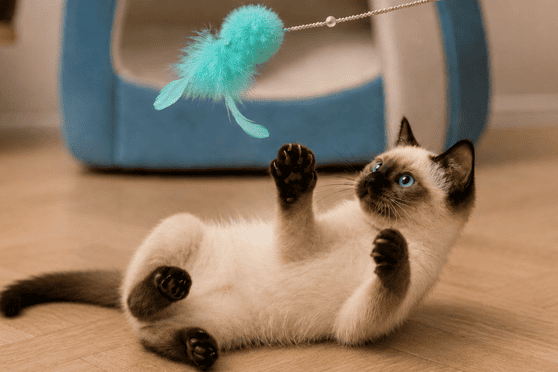 What toys should you choose for your cat? Understanding their preferences to help them play betterRead more
All cats play, but not always in the same way. Some pounce at the slightest movement, others prefer to watch for a...
-
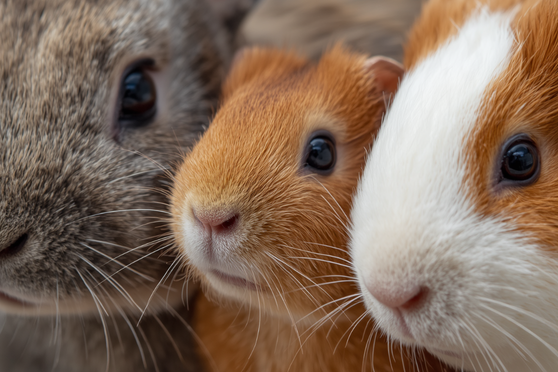 Adopting a NAC: the questions to ask before falling for oneRead more
Rabbit, guinea pig, hamster, pet rat, ferret, gerbil, bird or reptile: NAC often appeal because of their small size,...
-
 Dog care: what is it for, and what should you do every day?Read more
Caring for your dog is not only about feeding them, walking them and giving them attention. Their skin, coat, paw...
Blog categories
Search in blog
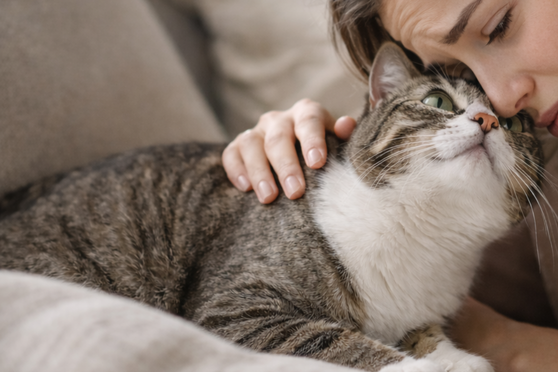
Does My Animal Feel My Emotions? What Science Says About the Human–Animal Emotional Bond
Stress, fatigue, joy, sadness… We all experience a wide range of emotions, sometimes intensely. And many animal guardians have had this striking feeling: “My animal can sense it.”
A dog becoming more clingy during an emotional low, a cat withdrawing when the atmosphere feels tense, a horse reacting more nervously on stressful days — coincidence, or genuine emotional sensitivity?
Science has explored this question far more seriously than one might think. Dogs, cats, horses — and to some extent other species — are indeed capable of perceiving, interpreting and responding to human emotional states.
However, sensing emotions does not mean understanding them as humans do.
What exactly do animals perceive? How do they react? And where are the limits of this emotional connection?
Here is a clear explanation grounded in ethology, neuroscience and careful everyday observation.
Do animals really perceive our emotions?
Yes — but not in a human way. Animals do not “understand” emotions cognitively as humans do; instead, they respond to a combination of physical, chemical and behavioural signals.
Voice tone, posture, micro-movements, breathing rhythm and body odours form an emotional language that animals can read with remarkable sensitivity.
How are our emotions transmitted to animals?
Voice and intonation
Changes in pitch, rhythm and volume are among the most immediately perceived signals. A tense, tired or joyful voice directly influences an animal’s emotional response.
Body language
Closed posture, abrupt movements, agitation or, on the contrary, unusual slowness: animals are experts at reading human body language — often before we are even aware of our own state.
Smells and chemical signals
Stress, fear and anxiety alter the composition of body odours. Dogs, in particular, can detect these changes thanks to their highly developed sense of smell.
Changes in routine
Fatigue, emotional overload or sadness are often accompanied by subtle shifts in daily habits. Animals, which are highly sensitive to routine, quickly notice these disruptions.
Stress, fatigue and sadness: how do animals react?
Reactions to human stress
A stressed human can trigger heightened vigilance, unusual restlessness or, conversely, withdrawal in an animal. Some animals seek increased closeness, while others prefer distance.
Reactions to fatigue
Human fatigue often results in a general slowing down. Some animals adjust their own rhythm accordingly, becoming calmer or more discreet.
Reactions to sadness or emotional distress
Many observations report increased proximity behaviours: quiet presence, physical contact and sustained attention. This is not human empathy, but a response to a perceived change in emotional state.
And joy? An emotion that is just as contagious
Joy, relaxation and positive emotions are also transmitted. A relaxed human adopts an open posture, a warmer voice and smoother movements — all signals that animals find reassuring.
A positive emotional environment encourages exploratory, playful and relaxed behaviour in animals.
Do animals “absorb” our emotions?
This phenomenon is often referred to as emotional contagion. In certain species, particularly dogs and horses, studies show a possible synchronisation of stress levels between humans and animals.
This does not mean that animals carry our emotions, but that they react to them physiologically and behaviourally.
When emotional sensitivity becomes an imbalance
A chronically tense emotional environment can affect an animal’s well-being: prolonged stress, behavioural disorders, hypervigilance or inhibition.
For this reason, animal well-being cannot be separated from the overall emotional climate of the household.
How to protect your animal — without guilt
The goal is not to always feel “fine”, but to:
- maintain reassuring routines,
- provide calm and retreat spaces,
- avoid abrupt interactions during stressful periods,
- preserve positive shared moments, even if brief.
An animal does not expect emotional perfection, but consistency and a sense of safety.
Conclusion
Yes, our animals do perceive our emotions — sometimes with surprising accuracy. They do not understand them as humans do, but they react to them, adapt to them and occasionally reflect them.
This sensitivity is part of the richness of the human–animal bond. Becoming aware of it helps improve everyone’s well-being, without pressure or guilt.
FAQ – What science tells us about emotions and animals
Sources: ethology, affective neuroscience, and veterinary studies on stress and human–animal relationships.
Do animals sense human anxiety?Yes, particularly dogs and horses. They respond to physical, vocal and olfactory stress signals.
Can animals become stressed through emotional contagion?Yes. In certain situations, stress synchronisation can occur, even if the animal does not understand the cause.
Do cats sense our emotions as well?Yes, but in a more subtle and individual way. They tend to react more to the overall atmosphere than to isolated emotional events.
Should you avoid your animal when you feel unwell?No. A calm and consistent attitude is usually less disturbing than sudden withdrawal.
Can a positive emotional environment be consciously fostered?Yes. Through stability, gentle interactions, predictable routines and quality shared time.
Posted in:
Our World
Related posts
-
 Candy Horse Treats for Horses – Natural & Delicious
Discover Candy Horse treats for horses: natural, handcrafted, and tasty. Reward your horse with healthy snacks and...Read more
Candy Horse Treats for Horses – Natural & Delicious
Discover Candy Horse treats for horses: natural, handcrafted, and tasty. Reward your horse with healthy snacks and...Read more -
 Healthy Rabbit Treats: Combining Taste and Nutrition
Treat your rabbit with healthy and natural snacks! Discover which treats to favor (herbs, flowers, hay, dried...Read more
Healthy Rabbit Treats: Combining Taste and Nutrition
Treat your rabbit with healthy and natural snacks! Discover which treats to favor (herbs, flowers, hay, dried...Read more -
 Chew Toys for Rabbits: Essential for Their Well-Being and Teeth
Our rabbits, like all good little nibblers, love to chew! What might seem like a simple pastime is in fact vital to...Read more
Chew Toys for Rabbits: Essential for Their Well-Being and Teeth
Our rabbits, like all good little nibblers, love to chew! What might seem like a simple pastime is in fact vital to...Read more -
 Does My Dog Need a Comfort Toy?
A comfort toy is more than just a plaything. It offers reassurance, reduces stress, and helps ease loneliness –...Read more
Does My Dog Need a Comfort Toy?
A comfort toy is more than just a plaything. It offers reassurance, reduces stress, and helps ease loneliness –...Read more -
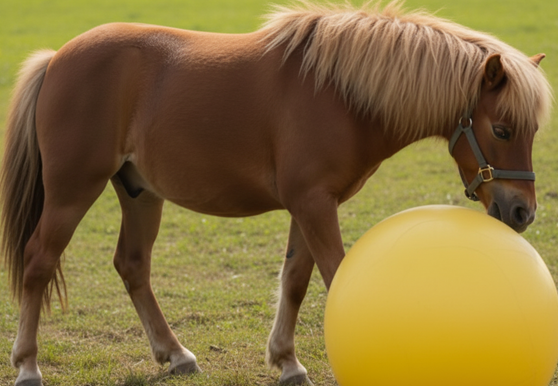 Horse Toys: How to Keep Your Horse Busy and Prevent Boredom
Horses are naturally curious, social, and active animals that need variety and stimulation to thrive. When deprived...Read more
Horse Toys: How to Keep Your Horse Busy and Prevent Boredom
Horses are naturally curious, social, and active animals that need variety and stimulation to thrive. When deprived...Read more
Leave a comment