
Autumn is probably one of the most beautiful seasons for walking your dog: the light is soft, the forest smells of...
Latest posts
-
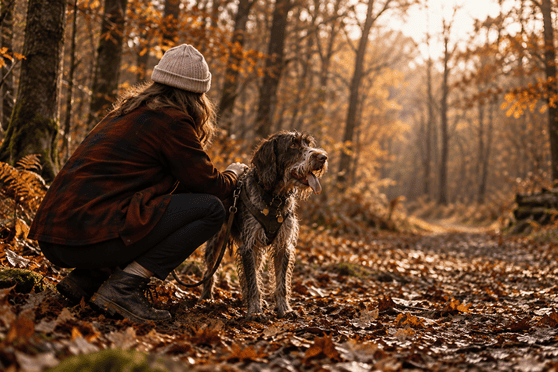 Autumn with your dog: small dangers to watch out for on walksRead more
 -
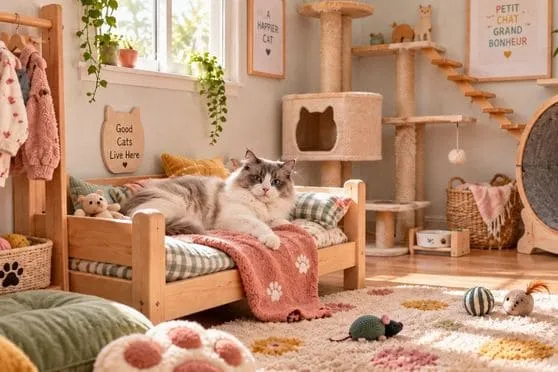 Pet Parents: Welcome to a Club We’re (Finally) Happy to Own Up ToRead more
Just ten years ago, calling yourself your cat’s “parent” would have raised a few eyebrows. People would smile...
-
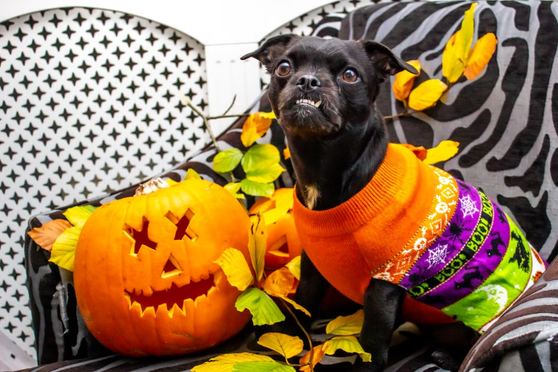 Halloween with your pet: ideas, treats and precautions for dogs, cats, rabbits and horsesRead more
Halloween is slowly making its way into our homes, with pumpkins appearing on doorsteps and orange garlands...
-
 Rewarding your dog without spoiling them: finding the right balance between treats, praise and playRead more
Treats, praise or play: rewarding your dog well is not about giving more, but about choosing the right moment and the...
-
 How to Keep Your Dog Busy at Home: 4 Situations and SolutionsRead more
It has been raining since this morning, and the evening walk ended at the corner of the street. Your dog has just had...
-
 Waste-Conscious Treats for pets: giving pleasure without wasteRead more
Seeing a close date on a pet product can make you hesitate. That is perfectly normal. When it comes to our...
-
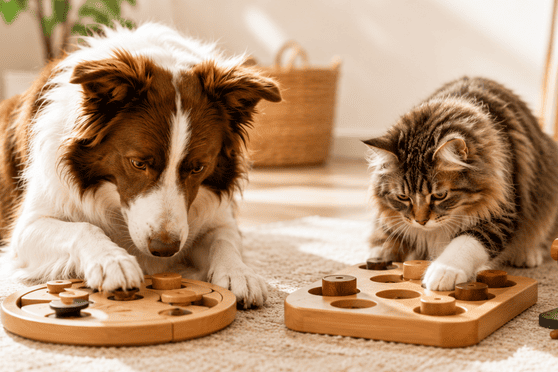 Intelligence Games for Dogs and Cats: The Secret to a Happy (and Finally Tired) PetRead more
He has already chewed through half the sofa. He barks at the door as soon as you leave for work. She spends all day...
-
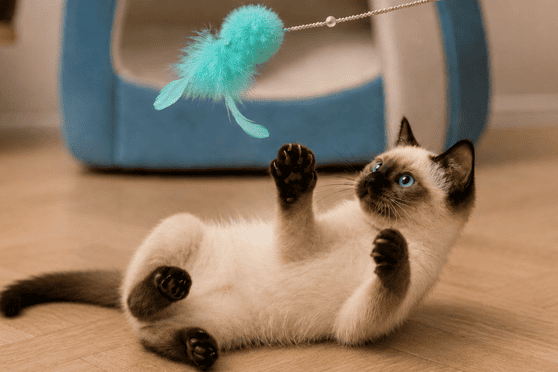 What toys should you choose for your cat? Understanding their preferences to help them play betterRead more
All cats play, but not always in the same way. Some pounce at the slightest movement, others prefer to watch for a...
-
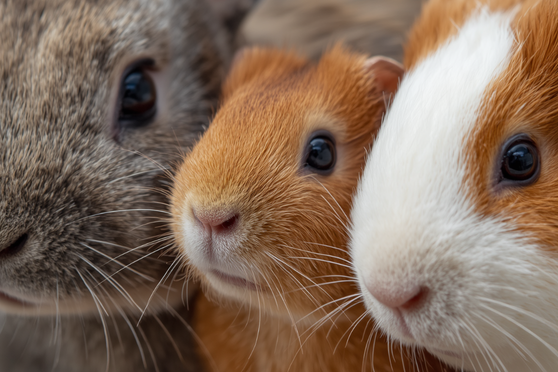 Adopting a NAC: the questions to ask before falling for oneRead more
Rabbit, guinea pig, hamster, pet rat, ferret, gerbil, bird or reptile: NAC often appeal because of their small size,...
-
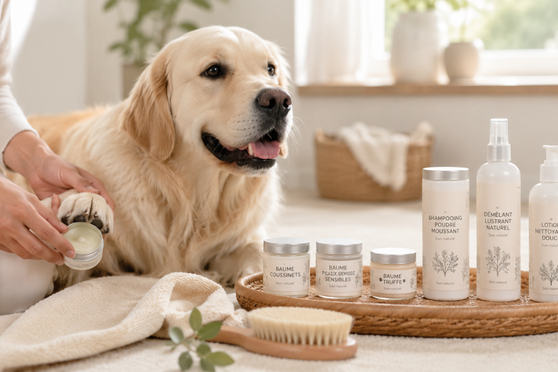 Dog care: what is it for, and what should you do every day?Read more
Caring for your dog is not only about feeding them, walking them and giving them attention. Their skin, coat, paw...
Blog categories
Search in blog
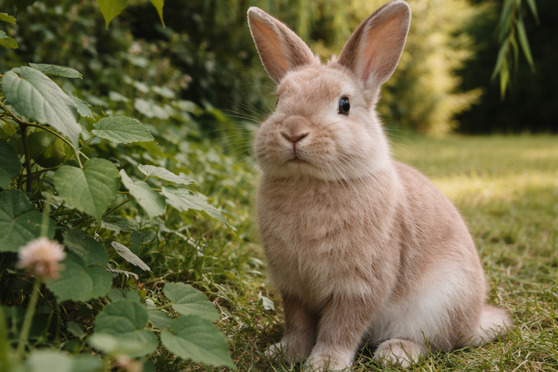
Garden and rabbits: which plants are safe to feed?
Having a garden often makes people want to share nature’s freshness with their rabbit: freshly picked leaves, crunchy branches, plants straight from the garden.
It feels instinctive and well intentioned. However, when it comes to rabbit nutrition, “natural” does not automatically mean “safe”.
Rabbits have a very specific digestive system, perfectly adapted to a fibre-rich diet, but also extremely sensitive to imbalance. Plants that are harmless to humans – or even to other animals – can cause serious digestive issues in rabbits.
So what can you really give your rabbit from the garden? In what form, in what quantity, and with what precautions? This article helps you make informed choices, so you can use your garden responsibly without putting your rabbit’s health at risk.
The garden: a valuable resource, but not a complete diet
A garden offers a wide variety of plants, but it should never be mistaken for a complete and balanced diet.
In the wild, rabbits mainly consume low-nutrient but highly fibrous plants in small amounts throughout the day. In domestic settings, this balance relies primarily on hay, which must always be available and form the foundation of the diet, regardless of season or environment.
Garden plants therefore have a clear role:
- to add variety,
- to stimulate natural feeding behaviour,
- to enrich the rabbit’s environment,
- contributing to the wear and tear of teeth.
They do not replace hay, but complement it sensibly.
Garden plants that are generally well tolerated by rabbits
Some common plants can be offered to rabbits, provided they are correctly identified, untreated and introduced gradually.
Wild plants and garden herbs
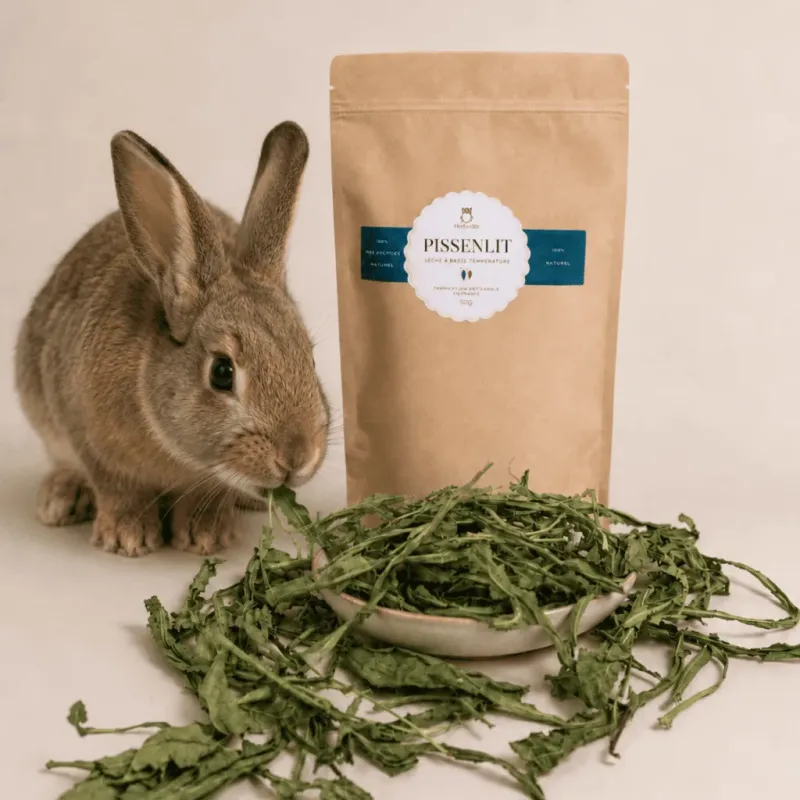
- dandelion (leaves and flowers),
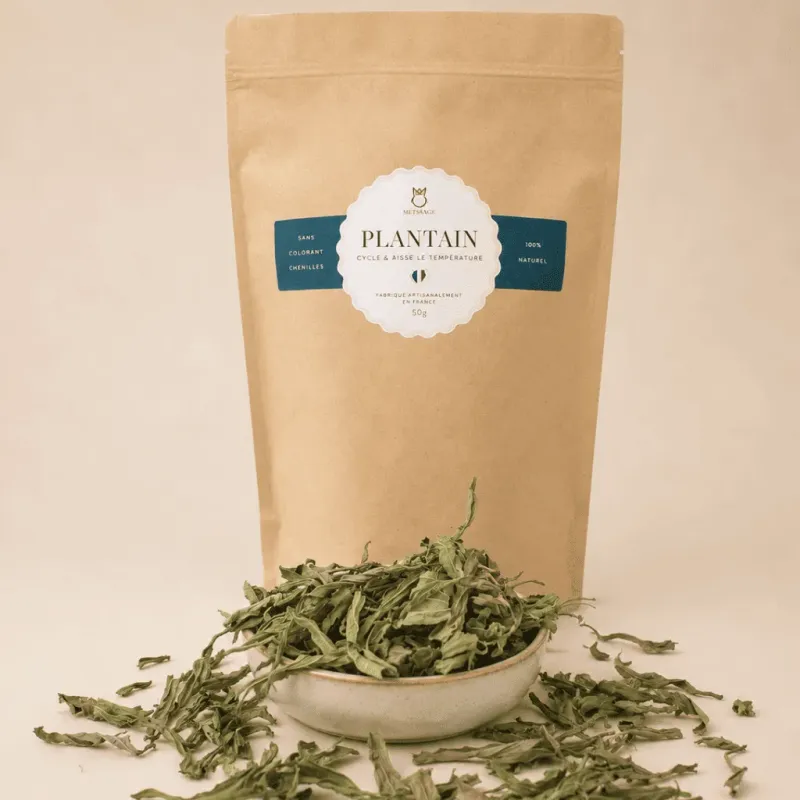
- plantain,
- sow thistle,
- clover (only in small amounts),
- nettle only when dried.
These plants provide interesting nutrients, but some are naturally high in calcium or sugars. For this reason, they should remain an occasional supplement.
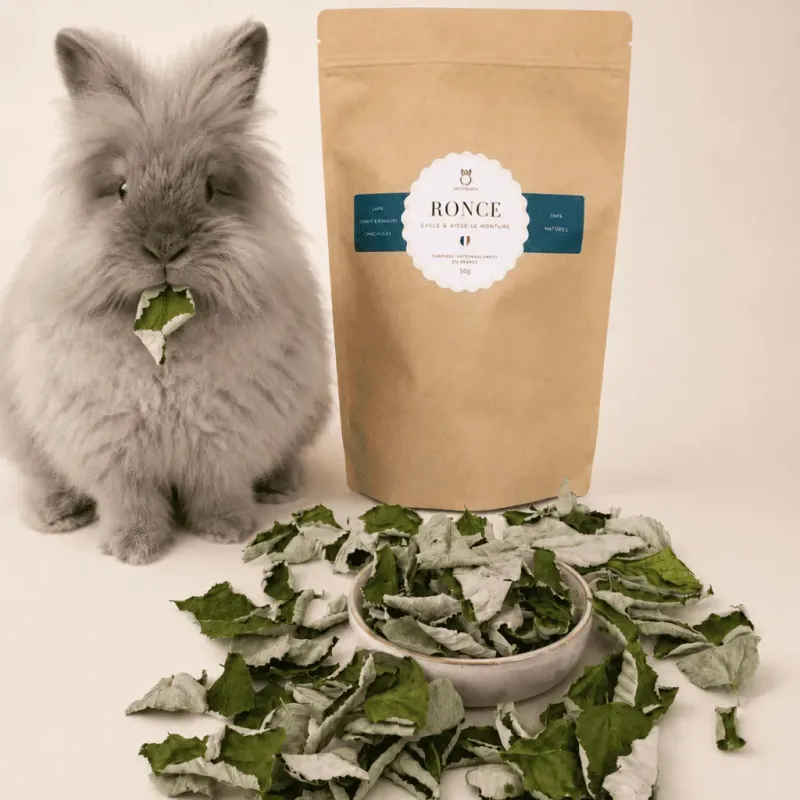
Offer him dried plants all year round
Garden flowers: mainly for enrichment
Edible flowers mainly offer sensory enrichment. Occasionally, and only if untreated, you may offer:
- nasturtium,
- calendula,
- borage,
- rose petals.
They are not a major nutritional source and should be given sparingly.
Trees, shrubs and woody plants
Leaves and branches from certain trees and shrubs are particularly beneficial for rabbits. They support natural tooth wear, provide mental stimulation and satisfy the instinct to gnaw.
Plants that are generally well tolerated include:
- apple tree,
- pear tree,
- willow, including weeping willow,
- linden (lime tree),
- hazel,
- leaves of the raspberry bush.
Branches must be untreated, collected away from roads and offered clean. Leaves may be fed fresh or slightly dried.
The special case of bamboo
Bamboo is common in gardens and is often very popular with rabbits, particularly because of its long, fibrous leaves.
Untreated bamboo is not considered toxic to rabbits. The leaves can be offered in small quantities as an occasional supplement.
However, not all bamboo species are the same, and their fibre and silica content may vary. As with any new plant, bamboo should be introduced gradually, with careful observation of digestion.
Even if a rabbit seems to love it, bamboo must never become a staple food.
Quantities and gradual introduction: key to safety
When it comes to garden plants, quantity often matters more than variety.
Any new plant should be introduced on its own and in very small amounts. Over the next 24 to 48 hours, it is important to observe droppings, appetite and overall behaviour.
Well-formed, dry and uniform droppings are a positive sign. Soft, sticky droppings or reduced appetite mean the plant should be reduced or stopped – including tree leaves and bamboo.
Garden plants that are toxic to rabbits
Many ornamental plants commonly found in gardens are toxic to rabbits, sometimes even in very small amounts:
- oleander,
- yew,
- foxglove,
- lily of the valley,
- rhododendron,
- ivy,
- tulip,
- daffodil.
These plants must be completely inaccessible. If ingestion is suspected, contact a veterinarian immediately.
Garden, vegetable patch and environment: stay vigilant
Even edible plants can become dangerous if they have been exposed to pesticides, herbicides or environmental pollution. Plants near roads or from contaminated soil present real but often invisible risks.
“Natural” does not automatically mean “safe”. When in doubt, it is better not to offer the plant.
When in doubt, caution is always best
If a plant cannot be identified with certainty, it should not be fed. Dietary variety is beneficial, but your rabbit’s safety must always come first.
FAQ – Garden plants and rabbit nutrition
Can my rabbit eat everything that is edible for humans?
No. A rabbit’s digestive system is very different from ours, and many plants that are safe for humans are unsuitable or toxic for rabbits.
Can garden plants replace hay?
No. Hay must always remain the foundation of a rabbit’s diet. Garden plants are only a supplement.
My rabbit loves bamboo. Can I feed it often?
Untreated bamboo can be offered occasionally in small amounts, but it must never replace hay.
Do rabbits instinctively know what is good for them?
Not always. In domestic environments, free access to unsuitable plants can lead to digestive problems.
What should I do if my rabbit eats a toxic plant?
Contact a veterinarian immediately, even if no symptoms are visible yet.
Related posts
-
 Candy Horse Treats for Horses – Natural & Delicious
Discover Candy Horse treats for horses: natural, handcrafted, and tasty. Reward your horse with healthy snacks and...Read more
Candy Horse Treats for Horses – Natural & Delicious
Discover Candy Horse treats for horses: natural, handcrafted, and tasty. Reward your horse with healthy snacks and...Read more -
 Healthy Rabbit Treats: Combining Taste and Nutrition
Treat your rabbit with healthy and natural snacks! Discover which treats to favor (herbs, flowers, hay, dried...Read more
Healthy Rabbit Treats: Combining Taste and Nutrition
Treat your rabbit with healthy and natural snacks! Discover which treats to favor (herbs, flowers, hay, dried...Read more -
 Chew Toys for Rabbits: Essential for Their Well-Being and Teeth
Our rabbits, like all good little nibblers, love to chew! What might seem like a simple pastime is in fact vital to...Read more
Chew Toys for Rabbits: Essential for Their Well-Being and Teeth
Our rabbits, like all good little nibblers, love to chew! What might seem like a simple pastime is in fact vital to...Read more -
 Does My Dog Need a Comfort Toy?
A comfort toy is more than just a plaything. It offers reassurance, reduces stress, and helps ease loneliness –...Read more
Does My Dog Need a Comfort Toy?
A comfort toy is more than just a plaything. It offers reassurance, reduces stress, and helps ease loneliness –...Read more -
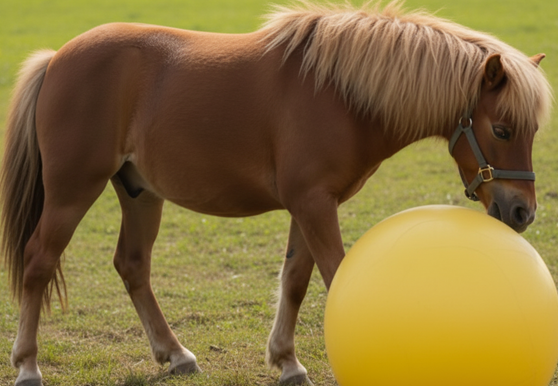 Horse Toys: How to Keep Your Horse Busy and Prevent Boredom
Horses are naturally curious, social, and active animals that need variety and stimulation to thrive. When deprived...Read more
Horse Toys: How to Keep Your Horse Busy and Prevent Boredom
Horses are naturally curious, social, and active animals that need variety and stimulation to thrive. When deprived...Read more
Leave a comment