
Autumn is probably one of the most beautiful seasons for walking your dog: the light is soft, the forest smells of...
Latest posts
-
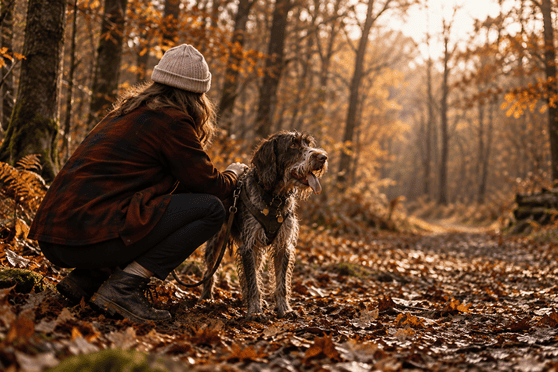 Autumn with your dog: small dangers to watch out for on walksRead more
 -
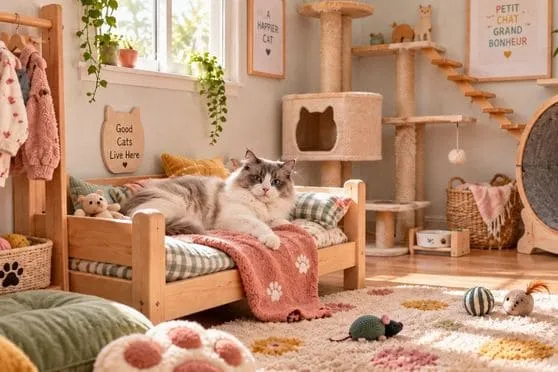 Pet Parents: Welcome to a Club We’re (Finally) Happy to Own Up ToRead more
Just ten years ago, calling yourself your cat’s “parent” would have raised a few eyebrows. People would smile...
-
 Halloween with your pet: ideas, treats and precautions for dogs, cats, rabbits and horsesRead more
Halloween is slowly making its way into our homes, with pumpkins appearing on doorsteps and orange garlands...
-
 Rewarding your dog without spoiling them: finding the right balance between treats, praise and playRead more
Treats, praise or play: rewarding your dog well is not about giving more, but about choosing the right moment and the...
-
 How to Keep Your Dog Busy at Home: 4 Situations and SolutionsRead more
It has been raining since this morning, and the evening walk ended at the corner of the street. Your dog has just had...
-
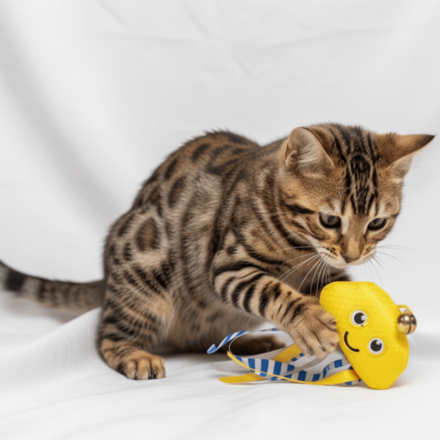 Waste-Conscious Treats for pets: giving pleasure without wasteRead more
Seeing a close date on a pet product can make you hesitate. That is perfectly normal. When it comes to our...
-
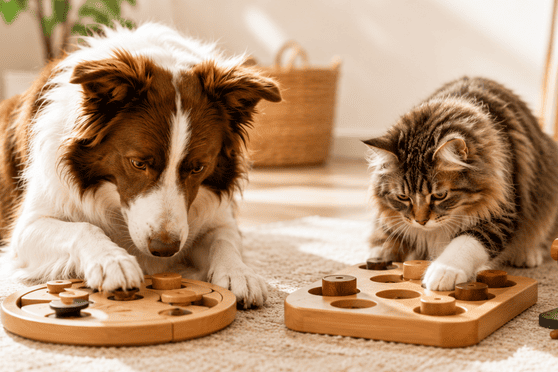 Intelligence Games for Dogs and Cats: The Secret to a Happy (and Finally Tired) PetRead more
He has already chewed through half the sofa. He barks at the door as soon as you leave for work. She spends all day...
-
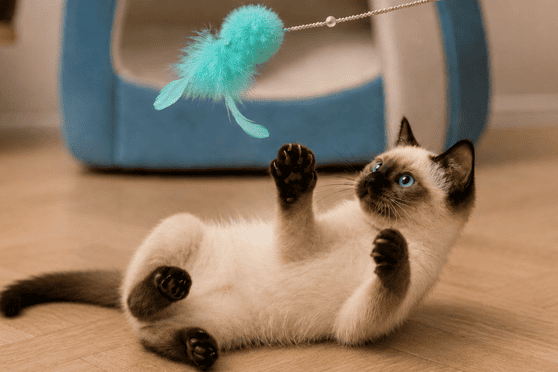 What toys should you choose for your cat? Understanding their preferences to help them play betterRead more
All cats play, but not always in the same way. Some pounce at the slightest movement, others prefer to watch for a...
-
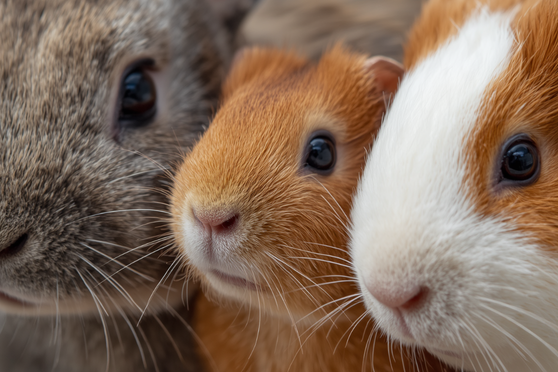 Adopting a NAC: the questions to ask before falling for oneRead more
Rabbit, guinea pig, hamster, pet rat, ferret, gerbil, bird or reptile: NAC often appeal because of their small size,...
-
 Dog care: what is it for, and what should you do every day?Read more
Caring for your dog is not only about feeding them, walking them and giving them attention. Their skin, coat, paw...
Blog categories
Search in blog
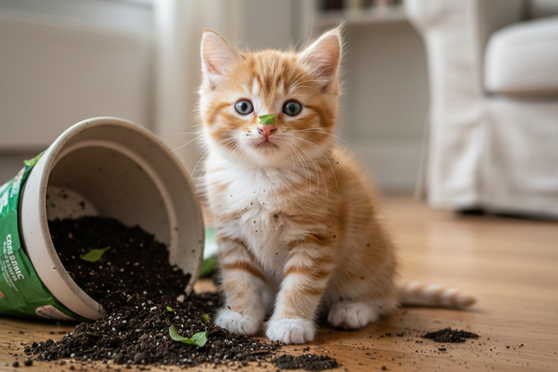
Positive training: why punishment never works (and what to do instead)
When an animal displays behaviour that bothers us — chewing, destruction, house soiling, or what we interpret as “disobedience” — the instinct may be to correct it. Raising our voice, isolating the animal, scolding… or reacting abruptly in the heat of the moment.
These responses are often driven by frustration or concern. Yet behavioural science and learning theory are clear: punishment does not teach the desired behaviour. It may interrupt an action temporarily, but it does not build lasting understanding.
Why does punishment fail in the long term? And what can we do instead to guide an animal in a respectful and effective way?
What learning science tells us
Behavioural psychology identifies several learning mechanisms: positive reinforcement, negative reinforcement, positive punishment and negative punishment.
Punishment aims to reduce a behaviour by adding something unpleasant or removing something desirable. The difficulty is that it primarily affects the animal’s emotional state — stress, anxiety or confusion — rather than genuine understanding.
An animal that is punished mainly learns to avoid the situation… or the person.
Why punishment does not work in the long term
1. It does not teach the alternative
An animal may learn that a behaviour leads to an unpleasant outcome without understanding what behaviour is actually expected instead.
2. It generates stress
Chronic stress impairs learning capacity. A worried animal may become more vigilant, but rarely more cooperative.
3. It weakens the relationship
The human–animal relationship is built on trust. If the human becomes associated with unpredictability or discomfort, that trust may erode.
4. It may displace the problem
A suppressed behaviour can reappear elsewhere or in another form. The underlying cause remains unresolved.
Understanding before acting: behaviour always has a function
From an ethological perspective, behaviour does not occur without reason. It serves a function: exploration, stress regulation, attention seeking, physiological needs or environmental adaptation.
Before attempting to correct behaviour, it is essential to understand its function.
What to do instead: principles of positive training
1. Reinforce desired behaviour
When an animal shows appropriate behaviour, it should be reinforced immediately — through food rewards, positive interaction or access to a valued resource.
2. Adapt the environment
Many so-called “behavioural problems” diminish when the environment is better adapted: enrichment, appropriate outlets, clear boundaries and predictable routines.
3. Redirect rather than reprimand
Instead of suppressing behaviour, offer a clear and constructive alternative.
4. Be consistent and predictable
Stable rules and calm, consistent responses provide security and facilitate learning.
Positive training is not permissiveness
Educating without punishment does not mean allowing everything. It means setting clear, structured boundaries while respecting the animal’s fundamental needs.
Building trust as the foundation
An animal that understands what is expected and feels safe is far more likely to cooperate. Trust becomes the foundation of sustainable learning.
FAQ – Positive training and punishment
Is ignoring behaviour always enough?
No. Some behaviours require environmental adjustment or specific guidance.
Can “mild” punishment work?
It may stop behaviour in the short term, but it does not teach the desired alternative.
Does positive training work with all species?
Yes. Learning mechanisms are based on biological principles common to many species.
How long does it take to see results?
This depends on age, history and consistency. Regular, predictable guidance is essential.
Posted in:
Our World
Related posts
-
 Candy Horse Treats for Horses – Natural & Delicious
Discover Candy Horse treats for horses: natural, handcrafted, and tasty. Reward your horse with healthy snacks and...Read more
Candy Horse Treats for Horses – Natural & Delicious
Discover Candy Horse treats for horses: natural, handcrafted, and tasty. Reward your horse with healthy snacks and...Read more -
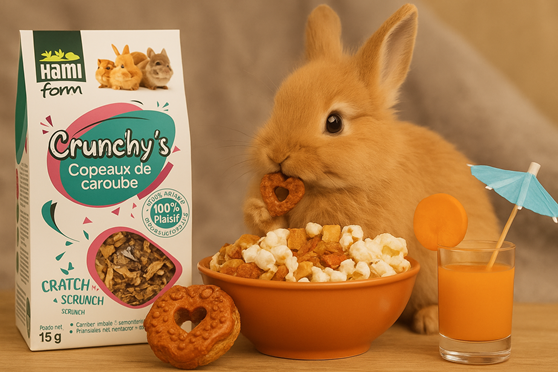 Healthy Rabbit Treats: Combining Taste and Nutrition
Treat your rabbit with healthy and natural snacks! Discover which treats to favor (herbs, flowers, hay, dried...Read more
Healthy Rabbit Treats: Combining Taste and Nutrition
Treat your rabbit with healthy and natural snacks! Discover which treats to favor (herbs, flowers, hay, dried...Read more -
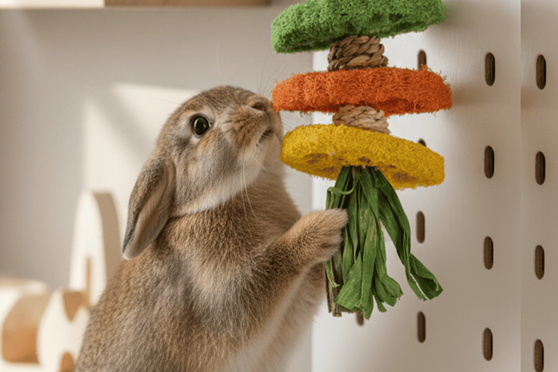 Chew Toys for Rabbits: Essential for Their Well-Being and Teeth
Our rabbits, like all good little nibblers, love to chew! What might seem like a simple pastime is in fact vital to...Read more
Chew Toys for Rabbits: Essential for Their Well-Being and Teeth
Our rabbits, like all good little nibblers, love to chew! What might seem like a simple pastime is in fact vital to...Read more -
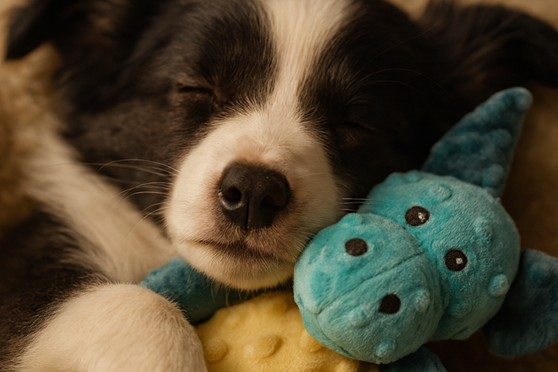 Does My Dog Need a Comfort Toy?
A comfort toy is more than just a plaything. It offers reassurance, reduces stress, and helps ease loneliness –...Read more
Does My Dog Need a Comfort Toy?
A comfort toy is more than just a plaything. It offers reassurance, reduces stress, and helps ease loneliness –...Read more -
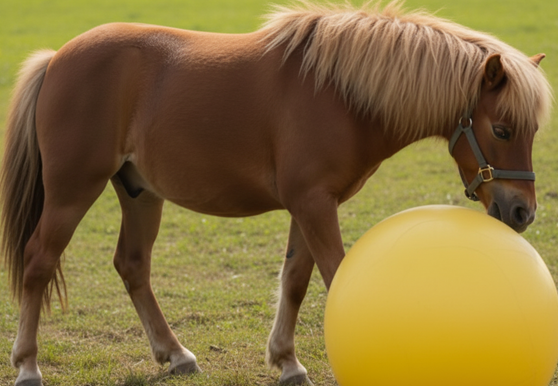 Horse Toys: How to Keep Your Horse Busy and Prevent Boredom
Horses are naturally curious, social, and active animals that need variety and stimulation to thrive. When deprived...Read more
Horse Toys: How to Keep Your Horse Busy and Prevent Boredom
Horses are naturally curious, social, and active animals that need variety and stimulation to thrive. When deprived...Read more
Leave a comment