
Autumn is probably one of the most beautiful seasons for walking your dog: the light is soft, the forest smells of...
Latest posts
-
 Autumn with your dog: small dangers to watch out for on walksRead more
-
 Pet Parents: Welcome to a Club We’re (Finally) Happy to Own Up ToRead more
Just ten years ago, calling yourself your cat’s “parent” would have raised a few eyebrows. People would smile...
-
 Halloween with your pet: ideas, treats and precautions for dogs, cats, rabbits and horsesRead more
Halloween is slowly making its way into our homes, with pumpkins appearing on doorsteps and orange garlands...
-
 Rewarding your dog without spoiling them: finding the right balance between treats, praise and playRead more
Treats, praise or play: rewarding your dog well is not about giving more, but about choosing the right moment and the...
-
 How to Keep Your Dog Busy at Home: 4 Situations and SolutionsRead more
It has been raining since this morning, and the evening walk ended at the corner of the street. Your dog has just had...
-
 Waste-Conscious Treats for pets: giving pleasure without wasteRead more
Seeing a close date on a pet product can make you hesitate. That is perfectly normal. When it comes to our...
-
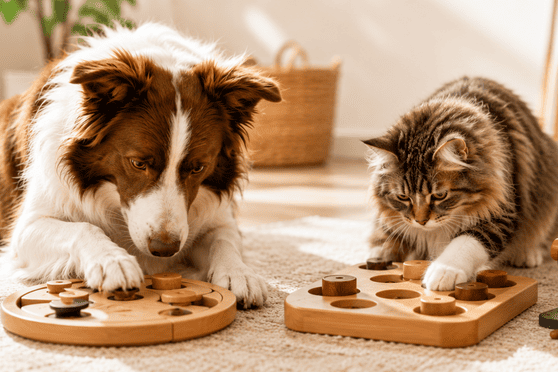 Intelligence Games for Dogs and Cats: The Secret to a Happy (and Finally Tired) PetRead more
He has already chewed through half the sofa. He barks at the door as soon as you leave for work. She spends all day...
-
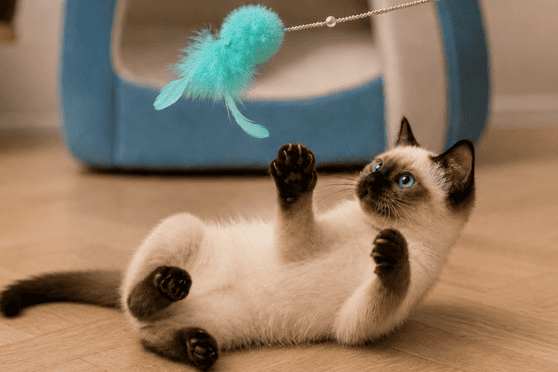 What toys should you choose for your cat? Understanding their preferences to help them play betterRead more
All cats play, but not always in the same way. Some pounce at the slightest movement, others prefer to watch for a...
-
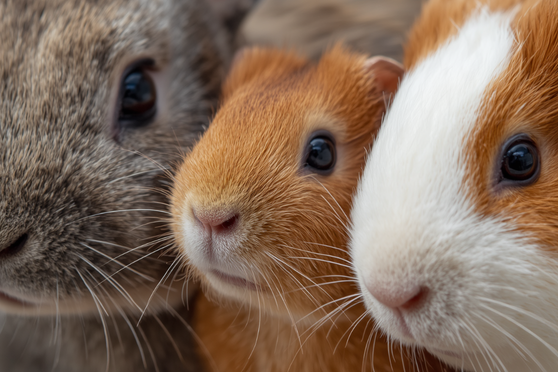 Adopting a NAC: the questions to ask before falling for oneRead more
Rabbit, guinea pig, hamster, pet rat, ferret, gerbil, bird or reptile: NAC often appeal because of their small size,...
-
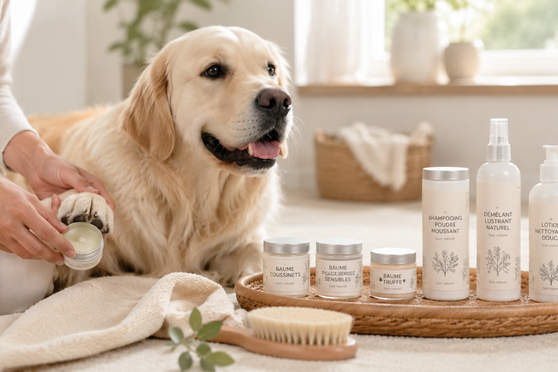 Dog care: what is it for, and what should you do every day?Read more
Caring for your dog is not only about feeding them, walking them and giving them attention. Their skin, coat, paw...
Blog categories
Search in blog

Catnip: Why Do Cats Love It So Much?
Catnip, also known as catmint or cataire, is a favourite among cat lovers. A sprinkle on a scratching post or a toy filled with catnip is often enough to trigger rolling, rubbing, or playful jumps. But what exactly is this “magic” herb? Is it beneficial? And why is it so commonly used in cat toys today? Let’s take a closer look.
What is catnip?
The catnip we’re talking about here isn’t the grass that cats nibble on to help their digestion. Catnip (Nepeta cataria) is an aromatic herb from the mint family. It contains a special compound called nepetalactone, which acts on a cat’s olfactory system and mimics certain pheromones, triggering an instinctive reaction.
Why do cats react to catnip?
Most cats react almost instantly when they smell catnip – rolling, rubbing, licking, meowing, or jumping. The effect lasts for around 5 to 15 minutes before fading into a calm phase. Nepetalactone activates brain areas linked to pleasure and play. After this, the cat typically remains unaffected by catnip for about an hour.
Did you know? Around 60–70% of cats are sensitive to catnip, and this trait is genetic. If your cat doesn’t react, don’t worry – that’s perfectly normal! Kittens and senior cats often show a weaker or no reaction at all.
Is catnip safe?
Yes. Contrary to popular belief, catnip is not toxic or addictive. It doesn’t alter your cat’s long-term behaviour and is considered completely safe when used in moderation. In rare cases, eating large quantities may cause mild stomach upset, but it’s perfectly safe when used in toys or diffused.
Why is catnip used in cat toys?
Catnip is widely used in cat toys because it instantly attracts cats and awakens their hunting instinct. Whether it’s a ball, cushion, or plush toy, catnip makes it irresistible!
Its main benefits:
- Encourages physical activity – especially for indoor cats.
- Stimulates play, even in less active cats.
- Promotes relaxation after the excitement phase, helping reduce stress and anxiety.
At merlinetcompagnie.com, you’ll find a variety of toys enriched with catnip, designed to entertain your cat and enhance their well-being naturally.
How to use it wisely
Alternate between toys with and without catnip to prevent boredom.
Offer them at the right moments – during transitions or to encourage play.
Store catnip toys in an airtight container to preserve their scent.
In summary
Catnip is a harmless, natural plant that helps stimulate your cat’s natural behaviour. Thanks to nepetalactone, it acts as both a playful trigger and a relaxation aid – a simple, effective way to improve your cat’s daily life.
Related posts
-
 Candy Horse Treats for Horses – Natural & Delicious
Discover Candy Horse treats for horses: natural, handcrafted, and tasty. Reward your horse with healthy snacks and...Read more
-
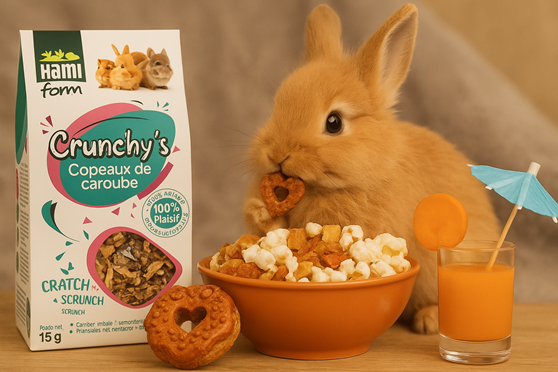 Healthy Rabbit Treats: Combining Taste and Nutrition
Treat your rabbit with healthy and natural snacks! Discover which treats to favor (herbs, flowers, hay, dried...Read more
-
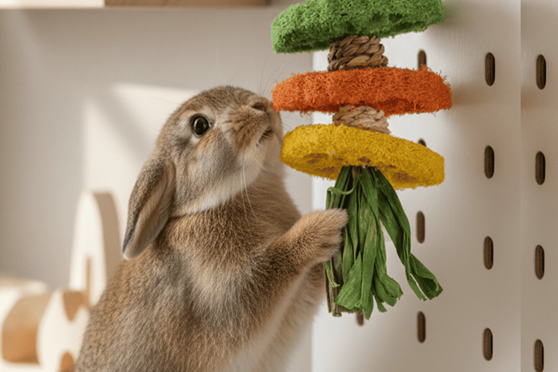 Chew Toys for Rabbits: Essential for Their Well-Being and Teeth
Our rabbits, like all good little nibblers, love to chew! What might seem like a simple pastime is in fact vital to...Read more
-
 Does My Dog Need a Comfort Toy?
A comfort toy is more than just a plaything. It offers reassurance, reduces stress, and helps ease loneliness –...Read more
-
 Horse Toys: How to Keep Your Horse Busy and Prevent Boredom
Horses are naturally curious, social, and active animals that need variety and stimulation to thrive. When deprived...Read more
Leave a comment