
Autumn is probably one of the most beautiful seasons for walking your dog: the light is soft, the forest smells of...
Latest posts
-
 Autumn with your dog: small dangers to watch out for on walksRead more
-
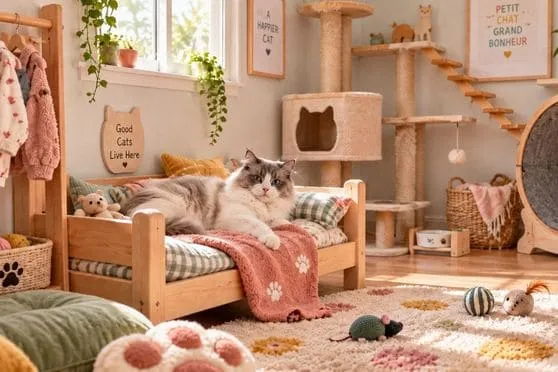 Pet Parents: Welcome to a Club We’re (Finally) Happy to Own Up ToRead more
Just ten years ago, calling yourself your cat’s “parent” would have raised a few eyebrows. People would smile...
-
 Halloween with your pet: ideas, treats and precautions for dogs, cats, rabbits and horsesRead more
Halloween is slowly making its way into our homes, with pumpkins appearing on doorsteps and orange garlands...
-
 Rewarding your dog without spoiling them: finding the right balance between treats, praise and playRead more
Treats, praise or play: rewarding your dog well is not about giving more, but about choosing the right moment and the...
-
 How to Keep Your Dog Busy at Home: 4 Situations and SolutionsRead more
It has been raining since this morning, and the evening walk ended at the corner of the street. Your dog has just had...
-
 Waste-Conscious Treats for pets: giving pleasure without wasteRead more
Seeing a close date on a pet product can make you hesitate. That is perfectly normal. When it comes to our...
-
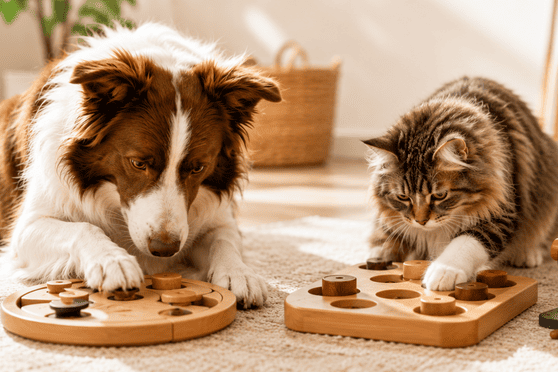 Intelligence Games for Dogs and Cats: The Secret to a Happy (and Finally Tired) PetRead more
He has already chewed through half the sofa. He barks at the door as soon as you leave for work. She spends all day...
-
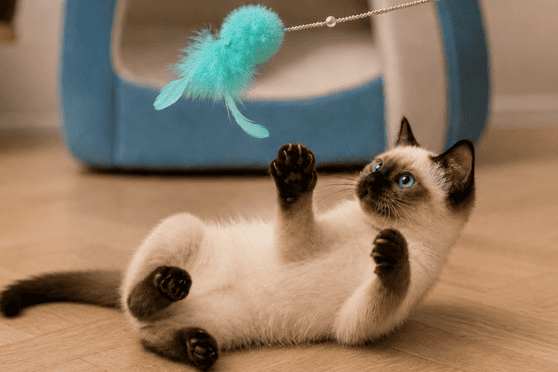 What toys should you choose for your cat? Understanding their preferences to help them play betterRead more
All cats play, but not always in the same way. Some pounce at the slightest movement, others prefer to watch for a...
-
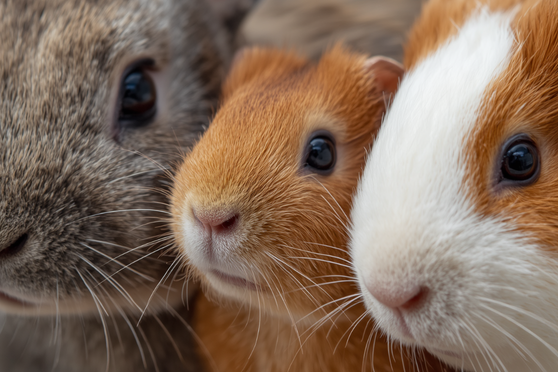 Adopting a NAC: the questions to ask before falling for oneRead more
Rabbit, guinea pig, hamster, pet rat, ferret, gerbil, bird or reptile: NAC often appeal because of their small size,...
-
 Dog care: what is it for, and what should you do every day?Read more
Caring for your dog is not only about feeding them, walking them and giving them attention. Their skin, coat, paw...
Blog categories
Search in blog

Why do cats sleep so much? A natural explanation
Every cat owner ends up asking the same question at some point: “Why does my cat sleep so much? Is it normal… or should I be worried?” Between long naps in the sun, quick snoozes on the sofa and full nights of sleep, it can seem like your feline spends their whole life sleeping. And yet, this behaviour is often perfectly natural! In some cases, however, excessive drowsiness can be a sign of boredom, stress or even an underlying health issue. Let’s take a closer look.
Cats are crepuscular predators: their bodies are designed to be active at dawn and dusk and to rest the remainder of the time. In the wild, they must conserve their energy for hunting, which explains their 12 to 16 hours of sleep per day, sometimes up to 18 hours for kittens and senior cats.
Their sleep consists of two phases:
- light sleep, made up of frequent micro-naps;
- deep sleep, essential for physical and cognitive recovery.
If your cat alternates between light naps, regular awakenings and moments of activity, this is generally a good sign.
When sleeping a lot becomes a sign of boredom
A cat may sleep more than average simply because it is bored. This often concerns:
- indoor cats without stimulation,
- cats living alone,
- cats with a monotonous routine.
Prolonged boredom can lead to lethargy, weight gain or, on the contrary, loss of appetite. Signs to watch for include:
- less interest in play,
- fewer interactions with you,
- lack of exploratory behaviour (watching outside, climbing…).
How to fix it?
- Enrich the environment: cat trees, hiding places, scratching posts.
- Offer interactive games (feathers, lasers, balls, play mats).
- Introduce puzzle toys or treat dispensers.
- Schedule two to three short play sessions per day.
A mentally stimulated cat sleeps just as much… but better, with more qualitative awake periods.
When a cat sleeps too much: signs of possible illness
If your cat only sleeps, seems apathetic and shows sudden behavioural changes, this may indicate an underlying issue. Possible causes include:
- Pain
Cats instinctively hide pain. A suffering cat may withdraw, sleep more and avoid movement. - Infections or diseases
Fever, viral infection, heart disease, kidney problems… many conditions cause fatigue and drowsiness. - Hypothyroidism or hormonal disorders
Less common in cats, but relevant if tiredness comes with weight gain or general slowing down. - Stress or anxiety
A change of environment, a new cat, a move or even a Christmas tree can disrupt your cat. - Medication side effects
Some veterinary treatments increase sleepiness.
When to consult a veterinarian?
Make an appointment if you observe:
- sudden, unusual fatigue,
- a cat that no longer plays at all,
- a change in appetite,
- abnormal breathing or movement,
- weight loss,
- excessive withdrawal.
How to know if your cat's sleep is normal?
Here are simple guidelines:
✔ Sleep is probably normal if:
- your cat plays, eats and grooms normally,
- has daily moments of activity,
- responds when called,
- simply changes sleeping spots depending on time and season.
❗ It is not normal if:
- the cat does nothing but sleep,
- seems “absent” even when awake,
- shows no curiosity,
- behaviour changes suddenly.
How to improve your cat’s well-being?
- Create a rich environment: cat trees, tunnels, chew toys, sniff mats.
- Rotate toys to avoid boredom.
- Respect their rhythm: cats love stability.
- Offer bonding moments: cuddles, playtime, brushing.
- Provide balanced, age-appropriate food.
A mentally and physically stimulated cat is a happier cat… and maybe a little less sleepy!
Conclusion
Yes, it is normal for a cat to sleep a lot: it is essential to their balance and health. But as an attentive guardian, you are in the best position to notice changes. Excessive sleeping may indicate boredom, stress or illness. Enriching the environment, observing behaviour and consulting a vet when in doubt are the best ways to ensure your cat’s well-being.
Related posts
-
 Candy Horse Treats for Horses – Natural & Delicious
Discover Candy Horse treats for horses: natural, handcrafted, and tasty. Reward your horse with healthy snacks and...Read more
-
 Healthy Rabbit Treats: Combining Taste and Nutrition
Treat your rabbit with healthy and natural snacks! Discover which treats to favor (herbs, flowers, hay, dried...Read more
-
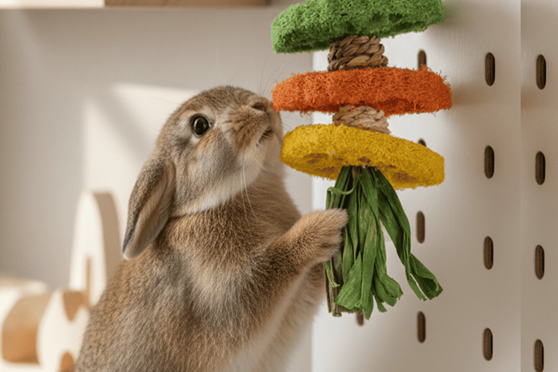 Chew Toys for Rabbits: Essential for Their Well-Being and Teeth
Our rabbits, like all good little nibblers, love to chew! What might seem like a simple pastime is in fact vital to...Read more
-
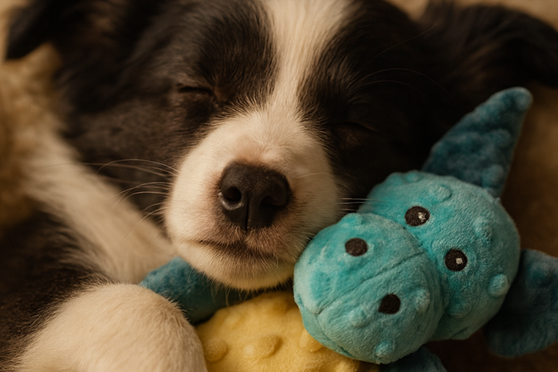 Does My Dog Need a Comfort Toy?
A comfort toy is more than just a plaything. It offers reassurance, reduces stress, and helps ease loneliness –...Read more
-
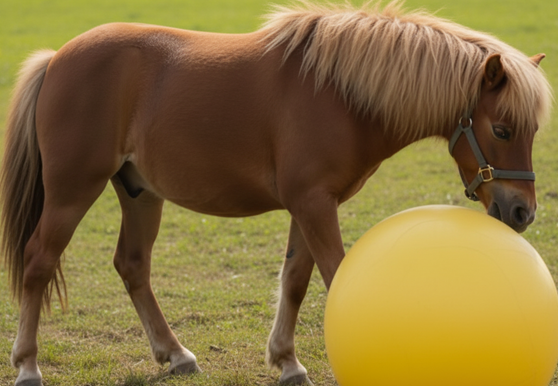 Horse Toys: How to Keep Your Horse Busy and Prevent Boredom
Horses are naturally curious, social, and active animals that need variety and stimulation to thrive. When deprived...Read more
Leave a comment