
Autumn is probably one of the most beautiful seasons for walking your dog: the light is soft, the forest smells of...
Latest posts
-
 Autumn with your dog: small dangers to watch out for on walksRead more
-
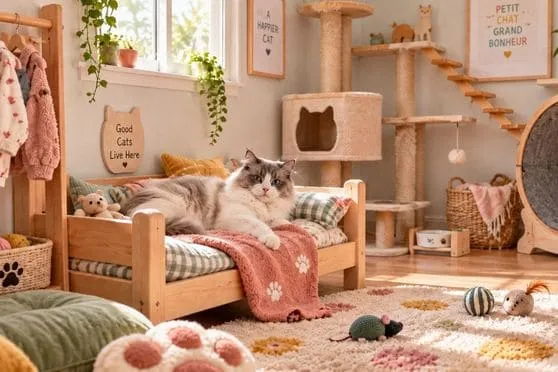 Pet Parents: Welcome to a Club We’re (Finally) Happy to Own Up ToRead more
Just ten years ago, calling yourself your cat’s “parent” would have raised a few eyebrows. People would smile...
-
 Halloween with your pet: ideas, treats and precautions for dogs, cats, rabbits and horsesRead more
Halloween is slowly making its way into our homes, with pumpkins appearing on doorsteps and orange garlands...
-
 Rewarding your dog without spoiling them: finding the right balance between treats, praise and playRead more
Treats, praise or play: rewarding your dog well is not about giving more, but about choosing the right moment and the...
-
 How to Keep Your Dog Busy at Home: 4 Situations and SolutionsRead more
It has been raining since this morning, and the evening walk ended at the corner of the street. Your dog has just had...
-
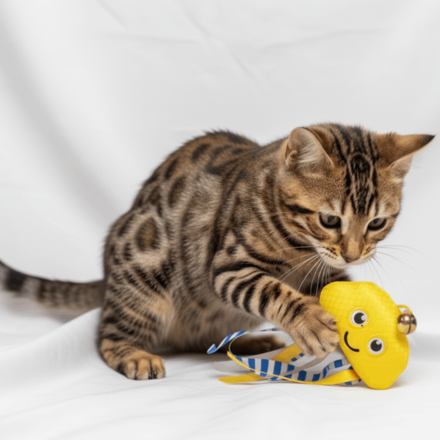 Waste-Conscious Treats for pets: giving pleasure without wasteRead more
Seeing a close date on a pet product can make you hesitate. That is perfectly normal. When it comes to our...
-
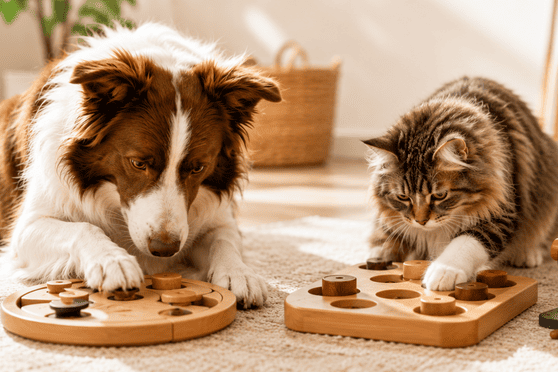 Intelligence Games for Dogs and Cats: The Secret to a Happy (and Finally Tired) PetRead more
He has already chewed through half the sofa. He barks at the door as soon as you leave for work. She spends all day...
-
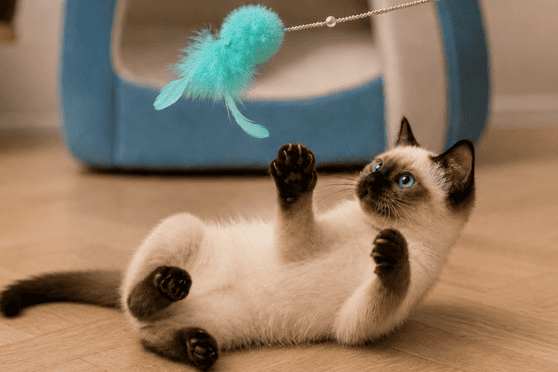 What toys should you choose for your cat? Understanding their preferences to help them play betterRead more
All cats play, but not always in the same way. Some pounce at the slightest movement, others prefer to watch for a...
-
 Adopting a NAC: the questions to ask before falling for oneRead more
Rabbit, guinea pig, hamster, pet rat, ferret, gerbil, bird or reptile: NAC often appeal because of their small size,...
-
 Dog care: what is it for, and what should you do every day?Read more
Caring for your dog is not only about feeding them, walking them and giving them attention. Their skin, coat, paw...
Blog categories
Search in blog
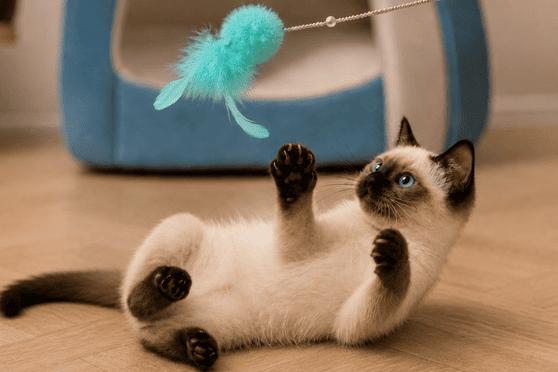
What toys should you choose for your cat? Understanding their preferences to help them play better
All cats play, but not always in the same way. Some pounce at the slightest movement, others prefer to watch for a long time before striking, while calmer cats sometimes need to be gently encouraged.
Choosing a toy for your cat is therefore not just about picking something pretty or amusing. It also means understanding what stimulates their instinct, age, temperament and lifestyle.
Why is play so important for cats?
Play allows cats to express an essential part of their natural behaviour: observing, stalking, chasing, catching, batting with their paws, gently biting and then starting all over again. Even when they live indoors, their instinct as little hunters remains very much present.
A cat that plays regularly gets exercise, stays occupied, releases some of their energy and enjoys a richer daily routine. This is particularly important for indoor cats, who may have fewer opportunities to climb, explore, run or hunt real small prey.
The ideal is not necessarily to have just one favourite toy, but to vary shapes, textures and uses to keep their curiosity alive.
Cat teaser wands: for a real shared moment with your cat
Cat teaser wands are among the most interesting toys for creating interaction between a cat and their human. They make it possible to imitate the movement of prey: a small object that moves away, hides, slows down, starts again and suddenly becomes easier to catch.
They are very suitable for playful cats, young cats full of energy, but also for more timid cats that you want to stimulate without overwhelming them. The movement should remain soft and progressive: it is not about waving the toy around at random, but about making the cat want to stalk, pounce and catch.
A cat teaser wand is ideal for shared play sessions. It should, however, be put away after use, especially when it includes a string, ribbons or hanging elements.
Balls: for cats who love chasing and starting the game again
Balls often appeal to cats who like to push, run after an object, make it roll and then catch it again. They are simple, but very effective for encouraging movement, especially if their texture, sound or size attracts the cat’s interest.
A cat ball can be offered during a moment of independent play, provided its condition is checked regularly. Some cats prefer light balls, while others enjoy slightly larger models that they can push with their paws or roll around the house.
For an indoor cat, alternating between several balls or bringing them back out after a few days can be enough to create a sense of novelty.
Toys with feathers, bells and catnip: to awaken curiosity
Some cats are very sensitive to small sounds, unpredictable movements or scents. Toys with feathers, bells or catnip can then be excellent allies for catching their attention.
Feathers recall the light movement of small prey. The bell adds a sound signal that can attract the cat from a distance. Catnip does not affect all cats, but it can make certain toys much more interesting for those who are responsive to it.
A toy such as the star with bell, catnip and feathers brings together several forms of stimulation in one small accessory: movement, sound, scent and texture.
Small toys to grab: for biting, catching and carrying
Many cats enjoy small toys that they can grab between their paws, gently bite or carry from one room to another. These toys are particularly interesting for cats who like to play alone in short bursts.
The format should be easy to hold, neither too heavy nor too fragile. Textile materials, small ropes and soft shapes allow the cat to bat the toy with their paws, catch it with their mouth or send it flying.
A small fabric toy with rope can therefore suit cats who like to handle their toys, move them around and play several times with the same little “prey”.
Which toy for which cat?
A kitten will often need simple, lightweight toys offered under supervision. A very active young cat will appreciate chase games, cat teaser wands and rolling objects more. An indoor cat will benefit from having several different forms of stimulation to help avoid boredom.
For a calm or slightly older cat, it is better to favour short, gentle play sessions with toys that are easy to catch. The aim is not to force them to run, but to encourage them to move, observe and interact at their own pace.
Finally, for cats who quickly lose interest, an assortment such as the Big Player Cat Pack makes it possible to vary the fun: cat teaser wand, balls, feathers, bells, catnip, small toys to grab and varied textures.
The secret: vary the toys without leaving everything out
A cat may lose interest in a toy simply because it is always in sight. To maintain their curiosity, it is often more effective to offer a few toys at a time, then put some away before bringing them back out a few days later.
This rotation creates a feeling of novelty and helps you better observe your cat’s preferences: do they like chasing, pouncing, biting, listening, sniffing, carrying things or playing with you?
The best toy is therefore not necessarily the most sophisticated one. It is the one that matches their temperament, their energy at that moment and their very own way of being a cat.
As with any pet toy, it is recommended to supervise the first uses, regularly check the condition of the accessories and remove any damaged toy.
Related posts
-
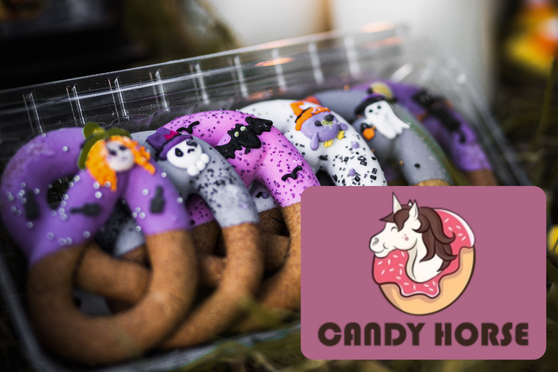 Candy Horse Treats for Horses – Natural & Delicious
Discover Candy Horse treats for horses: natural, handcrafted, and tasty. Reward your horse with healthy snacks and...Read more
-
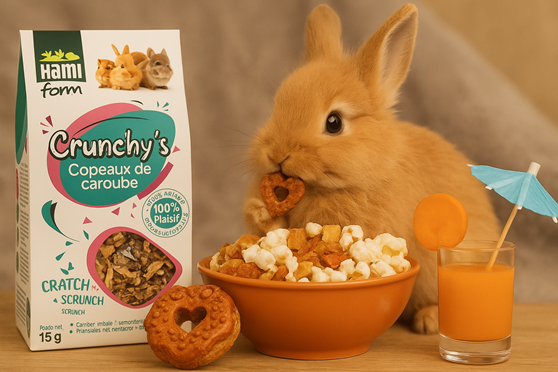 Healthy Rabbit Treats: Combining Taste and Nutrition
Treat your rabbit with healthy and natural snacks! Discover which treats to favor (herbs, flowers, hay, dried...Read more
-
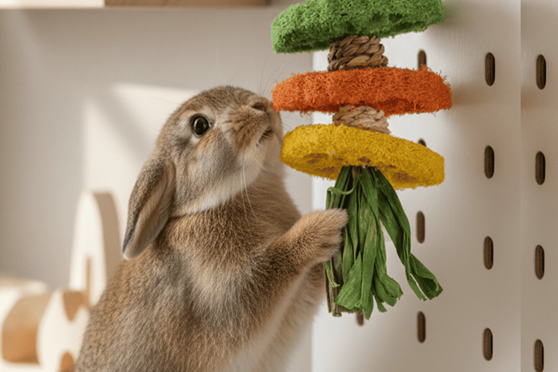 Chew Toys for Rabbits: Essential for Their Well-Being and Teeth
Our rabbits, like all good little nibblers, love to chew! What might seem like a simple pastime is in fact vital to...Read more
-
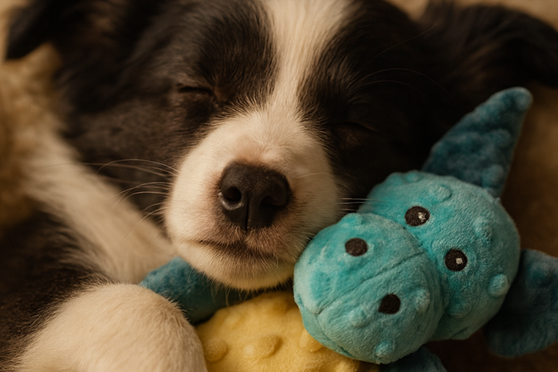 Does My Dog Need a Comfort Toy?
A comfort toy is more than just a plaything. It offers reassurance, reduces stress, and helps ease loneliness –...Read more
-
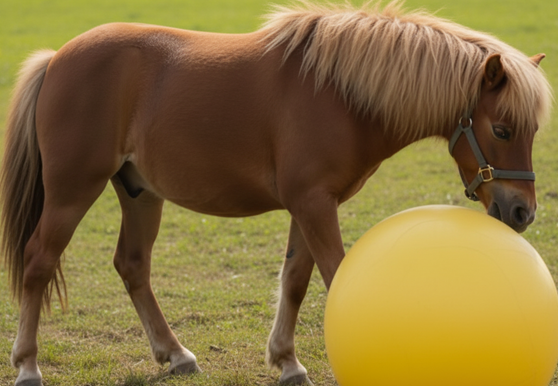 Horse Toys: How to Keep Your Horse Busy and Prevent Boredom
Horses are naturally curious, social, and active animals that need variety and stimulation to thrive. When deprived...Read more
Leave a comment