
Autumn is probably one of the most beautiful seasons for walking your dog: the light is soft, the forest smells of...
Latest posts
-
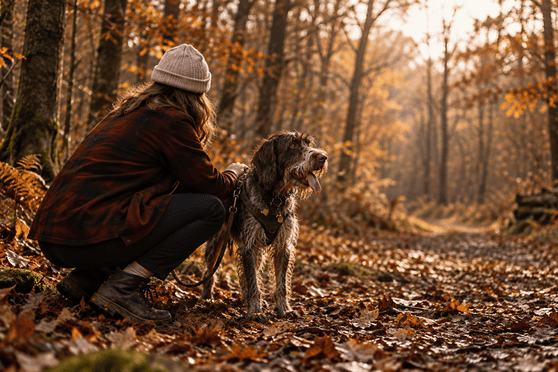 Autumn with your dog: small dangers to watch out for on walksRead more
-
 Pet Parents: Welcome to a Club We’re (Finally) Happy to Own Up ToRead more
Just ten years ago, calling yourself your cat’s “parent” would have raised a few eyebrows. People would smile...
-
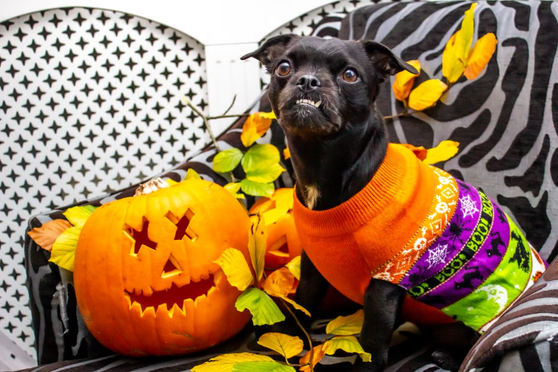 Halloween with your pet: ideas, treats and precautions for dogs, cats, rabbits and horsesRead more
Halloween is slowly making its way into our homes, with pumpkins appearing on doorsteps and orange garlands...
-
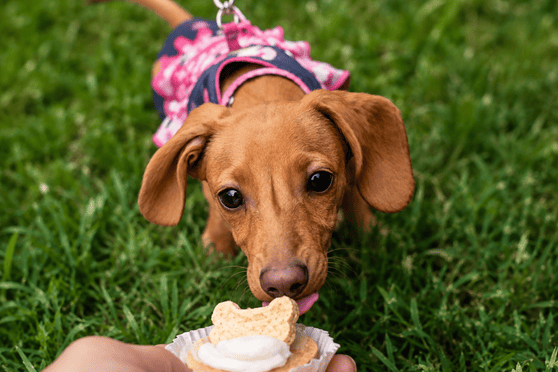 Rewarding your dog without spoiling them: finding the right balance between treats, praise and playRead more
Treats, praise or play: rewarding your dog well is not about giving more, but about choosing the right moment and the...
-
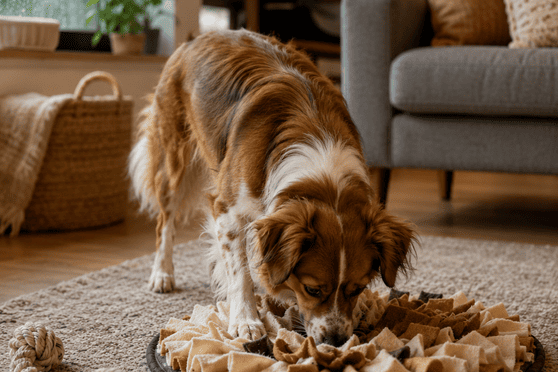 How to Keep Your Dog Busy at Home: 4 Situations and SolutionsRead more
It has been raining since this morning, and the evening walk ended at the corner of the street. Your dog has just had...
-
 Waste-Conscious Treats for pets: giving pleasure without wasteRead more
Seeing a close date on a pet product can make you hesitate. That is perfectly normal. When it comes to our...
-
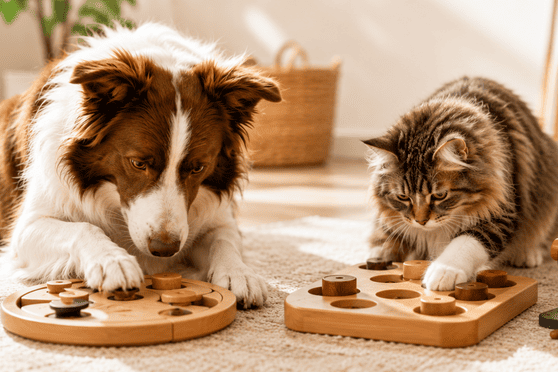 Intelligence Games for Dogs and Cats: The Secret to a Happy (and Finally Tired) PetRead more
He has already chewed through half the sofa. He barks at the door as soon as you leave for work. She spends all day...
-
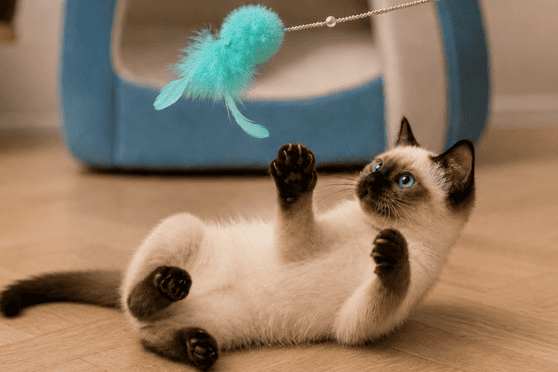 What toys should you choose for your cat? Understanding their preferences to help them play betterRead more
All cats play, but not always in the same way. Some pounce at the slightest movement, others prefer to watch for a...
-
 Adopting a NAC: the questions to ask before falling for oneRead more
Rabbit, guinea pig, hamster, pet rat, ferret, gerbil, bird or reptile: NAC often appeal because of their small size,...
-
 Dog care: what is it for, and what should you do every day?Read more
Caring for your dog is not only about feeding them, walking them and giving them attention. Their skin, coat, paw...
Blog categories
Search in blog
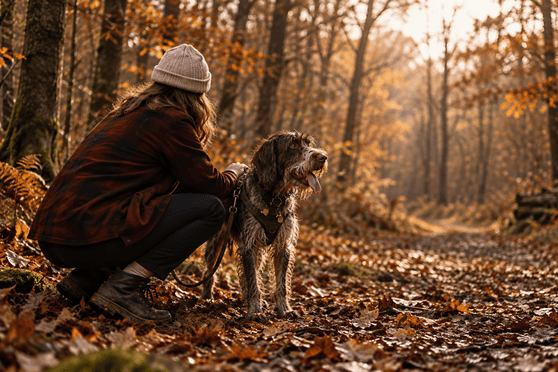
Autumn with your dog: small dangers to watch out for on walks
Autumn is probably one of the most beautiful seasons for walking your dog: the light is soft, the forest smells of damp earth, and your companion seems to rediscover every pile of leaves as if it were a brand-new playground. It is also a season that hides a few discreet dangers that are not always obvious.
None of this should spoil your outings. You simply need to know what to look out for. Here are six points to keep in mind so you can enjoy autumn walks with peace of mind.
1. Acorns, horse chestnuts and mushrooms: watch what is lying on the ground
For a curious dog, the ground in November can look like an open-air buffet. Here is what you need to know:
Acorns contain tannins, which can irritate the stomach and intestines, causing vomiting, diarrhoea and lethargy. In larger dogs, there is another risk: if several are swallowed, they can cause a digestive obstruction.
Horse chestnuts — the fruits of the common horse chestnut tree, not edible sweet chestnuts — are more problematic. They contain saponins, which can cause significant digestive upset and, in severe cases, neurological signs. Their size and shape also make them a common cause of obstruction. One useful detail: sweet chestnuts are not toxic, but their spiky husks are still very unpleasant to swallow.
Fallen and damaged walnuts also deserve caution. When they become mouldy, they can produce toxins that may cause tremors or even seizures.
Mushrooms, finally, are the most serious concern. There is no reliable “home test” for identifying a dangerous mushroom, and some species that are deadly to dogs are quite common in woodland. The danger is that, with some poisonings, the first digestive symptoms only appear several hours after ingestion and may then seem to subside… even though the liver is already being damaged. If your dog has eaten a mushroom, or if you are unsure, do not try to make them vomit yourself and do not wait for symptoms to appear: contact your vet or a veterinary poison control centre immediately. If possible, take a photo of the mushroom or bring a sample with you.
A good everyday habit: teach your dog commands such as “leave it” or “drop it”, and keep them on a lead in areas where they tend to pick up everything they find. A dog that likes scavenging during walks can also be given other ways to stay occupied — we will come back to that later.
2. Parasites do not disappear when summer ends
It is a persistent misconception: once the weather turns cooler, antiparasitic treatments can be put away. In reality:
- Ticks remain active whenever temperatures are above around 7°C, and autumn is actually one of their two main periods of activity, along with spring. They can transmit babesiosis, a serious disease that is also seen in autumn.
- Harvest mites, tiny orange larvae, are active from late summer into autumn. They can cause intense itching, often between the toes, on the ears or under the belly.
- Fleas, meanwhile, thrive in heated homes. Their highly resistant cocoons can remain hidden for a long time in bedding, rugs or carpets.
One important point: antiparasitic products must be suitable for the animal species concerned. Some active ingredients that dogs tolerate well can be dangerous for cats. If you have both at home, never use the same spot-on pipette for both animals. To choose a product suited to your dog’s weight, age and lifestyle, the safest option is to ask your vet for advice.
3. Rain and damp: do not forget paws and coat
A wet dog coming home from a walk can be charming… until the damp starts to linger.
Paw pads have to cope with the constant change between mud, puddles, cold ground and wet pavements. They can become cracked or irritated. More importantly, moisture trapped between the toes can encourage skin irritation and infections, which may lead to hours of paw licking.
The coat also takes time to dry, especially in long-haired dogs or breeds with a dense undercoat. Fur that stays damp for too long can become a breeding ground for unpleasant odours and skin irritation.
Grass awns also require vigilance. These small grass seeds can still be common in early autumn. They catch in the coat and can then work their way between the toes, into the ears or sometimes into the nose. They do not usually come out on their own and can migrate further. A dog that shakes their head, scratches at an ear or sneezes repeatedly after walking through long grass should be checked promptly.
The simple routine: wipe down, dry carefully between each toe, then brush to remove debris.
And a word about puddles and stagnant water: they can harbour the bacteria responsible for leptospirosis, spread in particular through rodent urine. This disease can be serious, but a vaccine is available. Speak to your vet if this has not already been discussed.
4. The days are getting shorter: stay visible on walks
With the switch to winter time — during the night of 24 to 25 October this year — it can already be dark by around 5:30 pm in November. Many daily walks therefore take place at dusk or in the dark.
A dark-coated dog on an unlit path can be very difficult to see, both for cyclists and drivers… and for you if they wander a little further away. A few simple accessories can make a real difference:
- a light-up or reflective collar or harness;
- a lead with reflective strips;
- a small light clipped to the collar, which can also help you spot your dog if they disappear into the undergrowth.
And if you walk in woodland or near the edge of a forest, remember that hunting season may be open. A brightly coloured vest for your dog — and for you — is a simple precaution that can make a big difference.
5. When the cold returns: adapt comfort to your dog
No, not every dog needs a coat. A husky or Bernese mountain dog is often perfectly happy in cool weather. Some dogs, however, feel the cold much more quickly, especially when cold and damp conditions combine:
- small dogs, which lose body heat more quickly;
- dogs with a short or fine coat such as greyhounds, whippets, boxers and pugs;
- puppies and older dogs;
- dogs with arthritis, whose joints may react badly to cold, damp weather.
Signs are often easy to spot: shivering, hunching up, slowing down, trying to head home or lifting the paws one after another.
A good dog coat should be easy to put on, allow full freedom of movement around the shoulders, cover the back and belly without getting in the way, and above all be dry before you head outside. On the other hand, avoid over-dressing a dog that runs around a lot: exercise keeps them warm naturally.
Think about bedding at home too. A raised bed or a thick cushion helps insulate against a cold floor, which can be particularly comfortable for senior dogs.
And when the weather is really bad? There will be days when the walk is shorter. Dogs need physical exercise, but they also need mental stimulation: snuffle mats, food-filled toys and treats to chew or lick can tire the brain just as much as a long walk. They also help redirect the urge to chew towards something much safer than an acorn found outside. Always choose the right size for your dog and stay nearby while they are chewing.
6. After the walk: the quick check that can prevent a lot of trouble
Get into the habit of doing this two-minute check when you get home. It quickly becomes automatic and can save valuable time if a problem is developing.
- Paws: dry them, spread the toes and look for thorns, grass awns, small wounds or redness.
- Ears: look inside without probing. A grass awn or an unusual smell should be taken seriously.
- Body, using your fingertips: run your hands over the neck, armpits, groin, belly, around the ears and under the tail — all favourite places for ticks.
- Coat: a quick brush removes leaves, twigs and debris, while also giving you a chance to check the skin.
If you find a tick, remove it as quickly as possible with a tick remover, twisting it out without crushing it and without applying ether, oil or alcohol. Then disinfect the area and monitor your dog over the following days. Unusual tiredness, fever, loss of appetite or dark urine are all reasons to contact your vet without delay.
In summary
Autumn is not a season to fear, but it is a season when it helps to pay a little more attention. Keep an eye on what your dog picks up, make the post-walk check part of your routine, make sure you are both visible, and add a little extra comfort where needed: that is all it takes to enjoy some of the loveliest walks of the year.
Do you have a question about the right equipment for your companion this season? The Merlin & Cie team is here to help.
This article is for information only and does not replace veterinary advice. If you are ever unsure about your dog’s health, contact your vet.
Related posts
-
 Candy Horse Treats for Horses – Natural & Delicious
Discover Candy Horse treats for horses: natural, handcrafted, and tasty. Reward your horse with healthy snacks and...Read more
-
 Healthy Rabbit Treats: Combining Taste and Nutrition
Treat your rabbit with healthy and natural snacks! Discover which treats to favor (herbs, flowers, hay, dried...Read more
-
 Chew Toys for Rabbits: Essential for Their Well-Being and Teeth
Our rabbits, like all good little nibblers, love to chew! What might seem like a simple pastime is in fact vital to...Read more
-
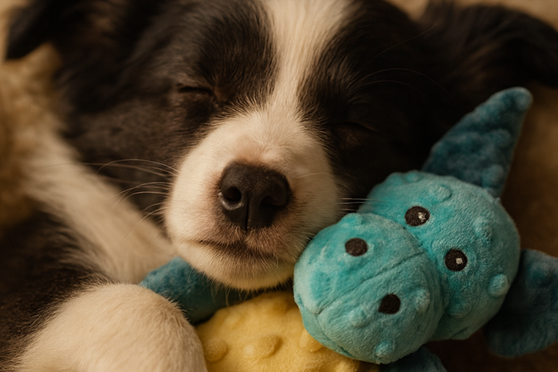 Does My Dog Need a Comfort Toy?
A comfort toy is more than just a plaything. It offers reassurance, reduces stress, and helps ease loneliness –...Read more
-
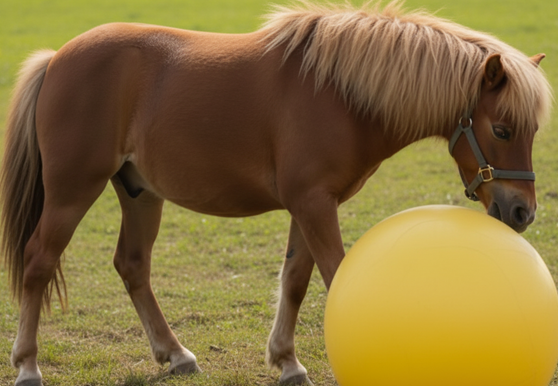 Horse Toys: How to Keep Your Horse Busy and Prevent Boredom
Horses are naturally curious, social, and active animals that need variety and stimulation to thrive. When deprived...Read more
Leave a comment