
Autumn is probably one of the most beautiful seasons for walking your dog: the light is soft, the forest smells of...
Latest posts
-
 Autumn with your dog: small dangers to watch out for on walksRead more
-
 Pet Parents: Welcome to a Club We’re (Finally) Happy to Own Up ToRead more
Just ten years ago, calling yourself your cat’s “parent” would have raised a few eyebrows. People would smile...
-
 Halloween with your pet: ideas, treats and precautions for dogs, cats, rabbits and horsesRead more
Halloween is slowly making its way into our homes, with pumpkins appearing on doorsteps and orange garlands...
-
 Rewarding your dog without spoiling them: finding the right balance between treats, praise and playRead more
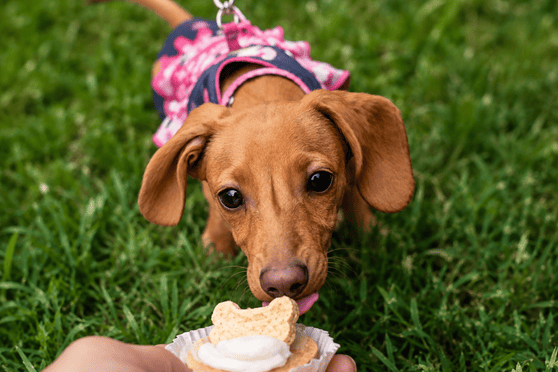
Treats, praise or play: rewarding your dog well is not about giving more, but about choosing the right moment and the...
-
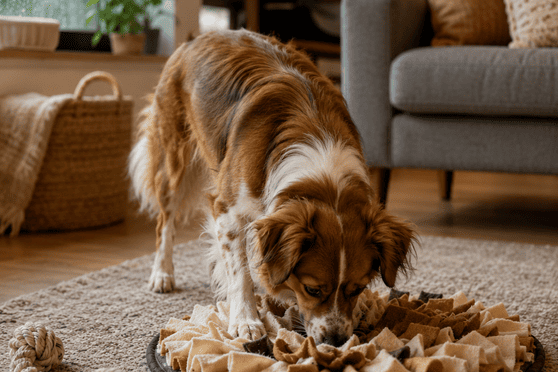 How to Keep Your Dog Busy at Home: 4 Situations and SolutionsRead more
It has been raining since this morning, and the evening walk ended at the corner of the street. Your dog has just had...
-
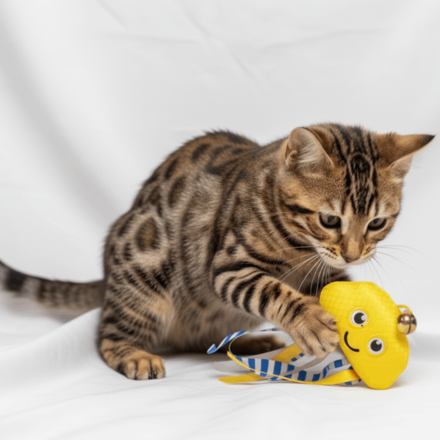 Waste-Conscious Treats for pets: giving pleasure without wasteRead more
Seeing a close date on a pet product can make you hesitate. That is perfectly normal. When it comes to our...
-
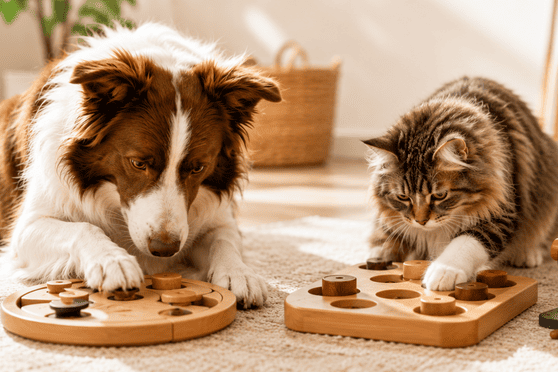 Intelligence Games for Dogs and Cats: The Secret to a Happy (and Finally Tired) PetRead more
He has already chewed through half the sofa. He barks at the door as soon as you leave for work. She spends all day...
-
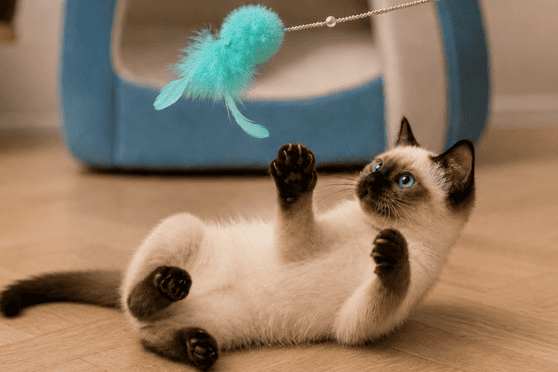 What toys should you choose for your cat? Understanding their preferences to help them play betterRead more
All cats play, but not always in the same way. Some pounce at the slightest movement, others prefer to watch for a...
-
 Adopting a NAC: the questions to ask before falling for oneRead more
Rabbit, guinea pig, hamster, pet rat, ferret, gerbil, bird or reptile: NAC often appeal because of their small size,...
-
 Dog care: what is it for, and what should you do every day?Read more
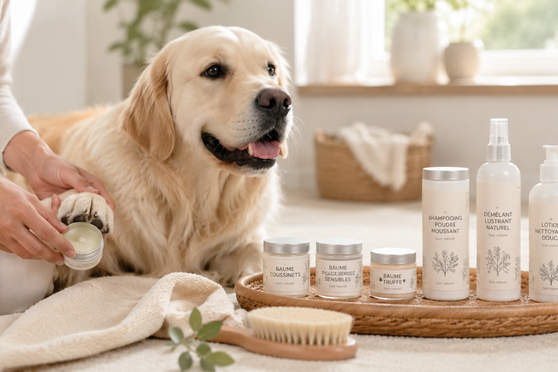
Caring for your dog is not only about feeding them, walking them and giving them attention. Their skin, coat, paw...
Blog categories
Search in blog
Rewarding your dog without spoiling them: finding the right balance between treats, praise and play
Your dog is sitting in front of you, but they are not really looking at you. Their eyes are fixed on your jacket pocket. Not the one with your keys, the one with the training treats. If it is empty, the exercise suddenly seems to be over and they wander off to find something else to do. This dog listens beautifully, as long as there is a treat involved.
It is a very common situation, even for owners who have done almost everything “right”: they have been patient, avoided punishment and kept training sessions short and regular. Positive training is not the problem. It remains one of the most effective and respectful ways to work with a dog. More often, the difficulty lies in the way the reward itself is used: too systematically, at the wrong moment, always in the same form or sometimes simply too generously for the size of the dog receiving it.
Rewarding well is therefore about much more than giving your dog a treat when they behave nicely. A reward is a genuine communication tool, with its own rules when it comes to timing, quantity and variety. Used wisely, it can reinforce good behaviour without turning every walk into a mobile treat dispenser.
The right moment: the second that changes everything
In dog training, timing matters almost as much as the reward itself. A dog links what they receive with the behaviour that happened immediately beforehand. If the reward comes too late, that connection becomes less clear and you may end up reinforcing something quite different from the behaviour you intended to reward.
A classic example is the dog who sits correctly but has already stood up by the time your hand has reached into your pocket. The treat then arrives while the dog is standing and moving towards you to collect it. If this happens repeatedly, the message becomes increasingly unclear. It no longer seems to be the sitting itself that pays off, but whatever happens just afterwards.
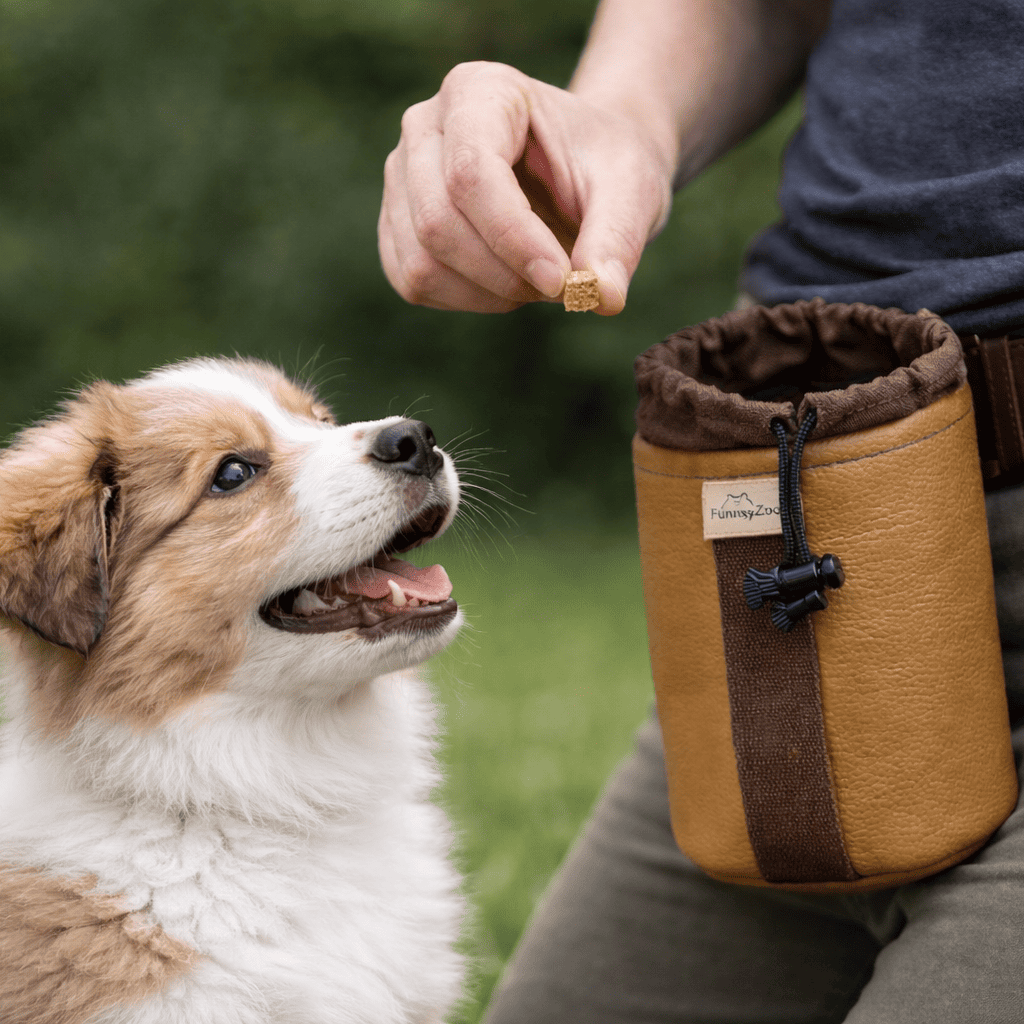
To avoid this delay, many professional trainers use a marker. This can be a short word such as “yes” or “good”, or the click of a clicker. The important thing is that the signal stays consistent and is given at the exact moment the dog performs the desired behaviour. It creates a bridge between the action and the reward, which can then arrive a moment or two later without losing its meaning.
Dogs quickly learn that this little signal means: “That is exactly what I wanted, your reward is coming.” It becomes a much more accurate point of reference than the speed with which a hand can reach into a pocket.
Varying rewards: treats, praise and play do not have the same role
Relying exclusively on food can unintentionally create a dependency that is easy to spot. The dog works perfectly when they can see a treat or suspect that one is available, but suddenly loses interest when your hands are empty. Alternating between different kinds of reward helps to avoid this and makes learned behaviour more reliable, including in situations where no food is available.
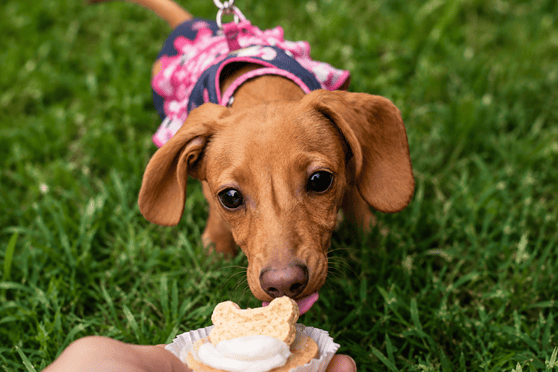
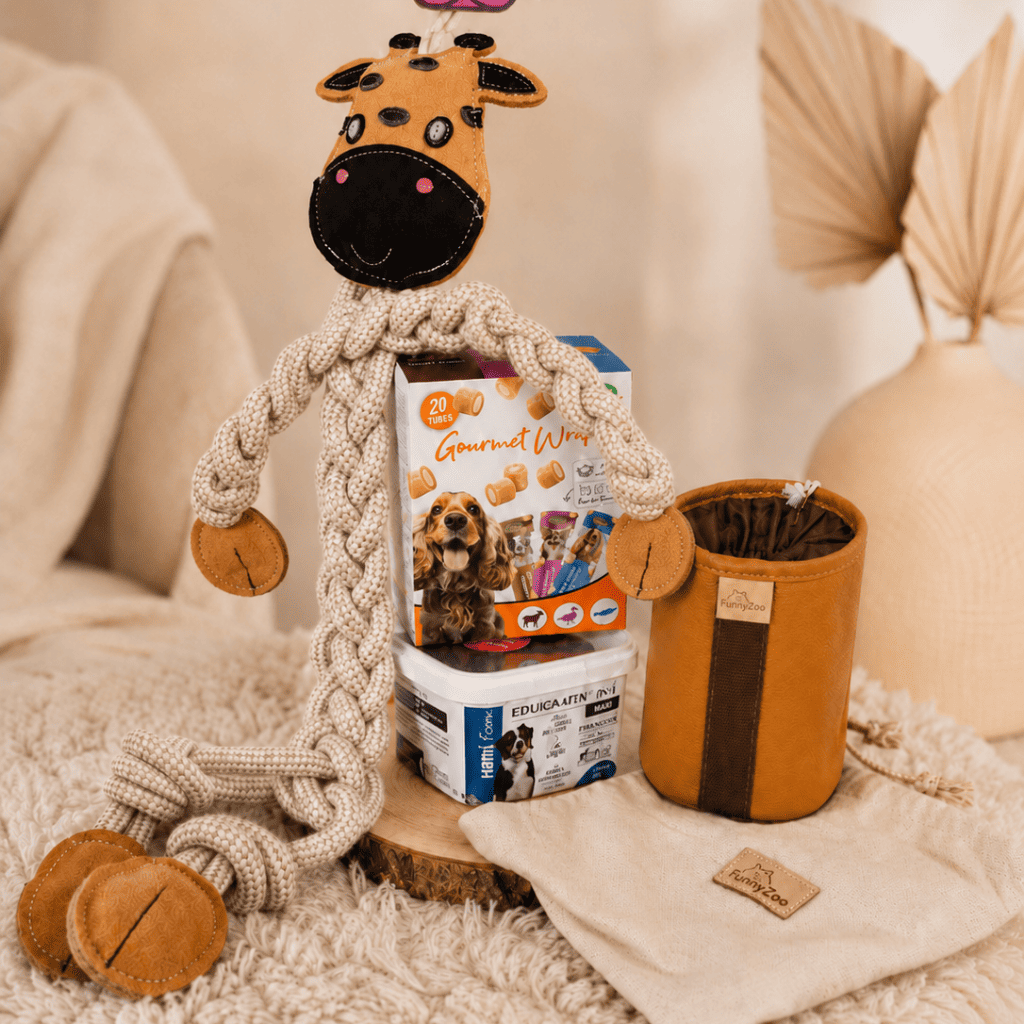
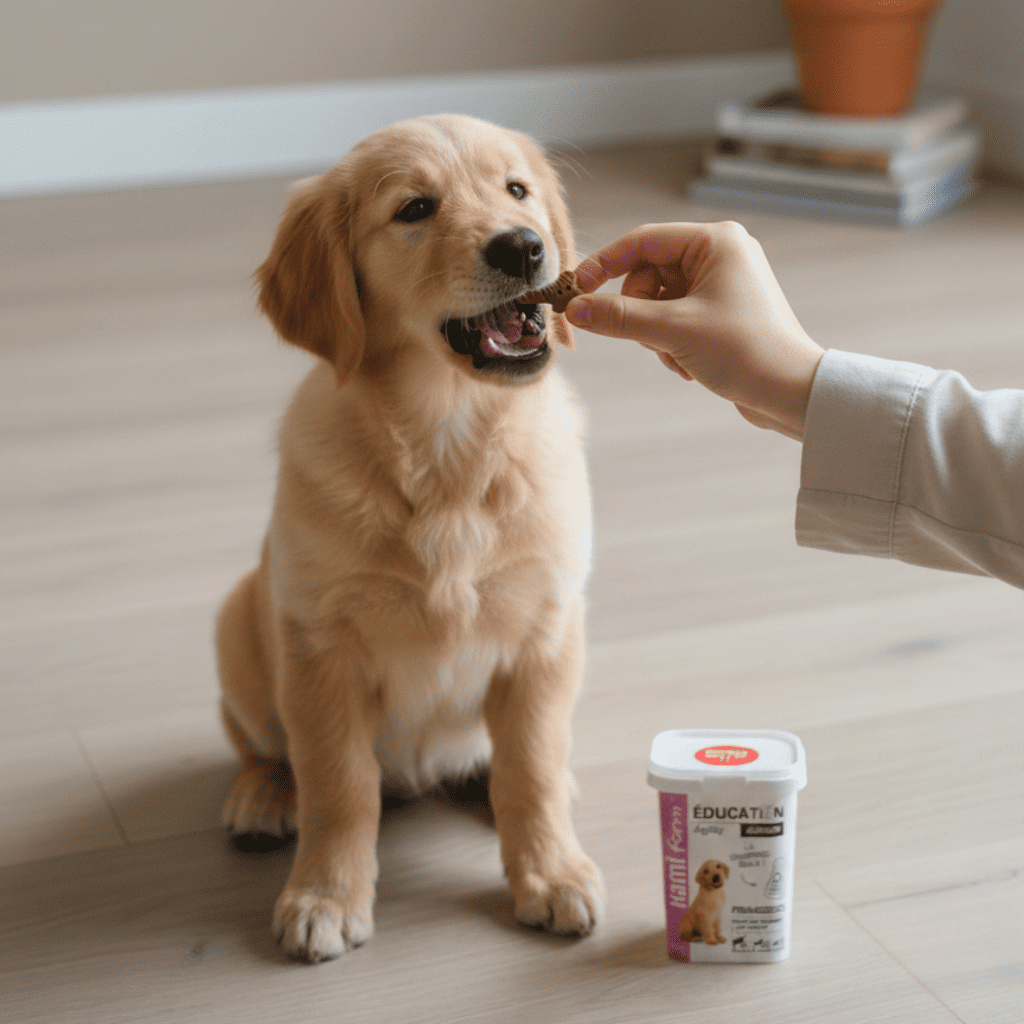
Treats are particularly useful when teaching a new behaviour. They are quick to deliver, easy to use with precision and practical when many repetitions are needed during the same training session.
Your voice can gradually take on a bigger role afterwards. A warm, enthusiastic “good dog”, used consistently and regularly paired with a food reward during the learning stage, can eventually become rewarding in its own right. It is no longer just a pleasant sound, but a signal associated with a positive experience.
Play is another powerful option, especially for dogs who are more motivated by a ball, a tug toy or interaction with their owner than by food. Fifteen seconds of tug after a successful recall can be far more valuable to some dogs than a piece of cheese, while adding no extra calories at all.
Once a behaviour is well established, it does not necessarily need to be rewarded after every single repetition. A more variable pattern, in which some successes receive a stronger reward than others, helps keep the dog engaged without teaching them that a treat is automatically due after every request. They learn to continue cooperating even when they do not know exactly what will happen next.
The calorie trap: when rewards start showing on the scales
A single treat rarely seems significant. But when rewards are given ten, twenty or thirty times during a training session or a walk filled with recall practice, their contribution to the dog’s daily food intake becomes much harder to ignore.
A commonly used guideline is to keep treats to a limited proportion of the dog’s daily food intake so that they do not disrupt the nutritional balance of the main meals. This becomes particularly important when the rewards are rich or when the dog is also receiving extra snacks at other points during the day.
A few simple habits can help keep things under control without being stingy with rewards. Tiny pieces, sometimes no bigger than a pea, can be used instead of giving a whole treat that disappears in a single bite. Even a small treat can be cut into two or three pieces during more intensive training sessions.
On days involving a lot of training, whether that means a class, a new behaviour being taught at home or a walk with many exercises, part of the dog’s usual food allowance can also be used as rewards. The dog still receives plenty of positive reinforcement, but the training does not effectively turn into an extra meal.
This works particularly well with dogs who are already enthusiastic about their normal kibble. Within the context of training, it still has value as a reward, while the overall food intake for the day remains much easier to manage.
Adapting the reward to your dog’s size and temperament
One bite-sized reward obviously does not have the same impact on a Chihuahua as it does on a shepherd. Small dogs often have relatively modest daily energy requirements, which means that a “standard” treat can represent a surprisingly large part of their total daily intake.
In that case, it is better to choose smaller rewards or routinely break existing treats into pieces. The aim is not necessarily to reward less often, but to reduce the amount given each time. For the dog, several tiny rewards delivered at the right moment are usually more interesting anyway than one large piece swallowed in a few seconds.
With larger dogs, and particularly with young dogs who are still growing, it is the accumulation that matters most. An occasional richer treat is unlikely to be a problem, but extras given week after week can start to add up, especially when they come on top of an already generous daily ration.
Temperament matters just as much as body size. Some dogs are extremely food motivated and will happily work for a single piece of kibble. Others respond much more strongly to play, being allowed outside, interaction with their owner or access to an activity they enjoy.
For some working or hunting dogs, for example, a thrown ball or a few seconds of tug can be more valuable than even the best piece of chicken. Watching what genuinely excites your own dog is therefore far more useful than searching for one supposedly universal reward that should work for every dog.
Rewarding without giving in: the real difference between rewarding and spoiling
This is often where the line is drawn between a dog who is rewarded sensibly and a dog who is considered “spoilt”. The real issue is not necessarily how many treats they receive, but why they receive them.
A reward reinforces a specific behaviour: following a cue, coming back when called, staying calm or offering a spontaneous behaviour that you would like to see more often. By contrast, giving food because the dog barks at the cupboard, scratches at a door or persistently places a paw on your knee during dinner is likely to teach them one thing above all: this strategy works.
If a behaviour regularly produces the result the dog wants, there is a good chance it will be repeated, and perhaps performed even more insistently next time.
The solution mainly requires consistency. When the dog makes a demand, you can redirect them towards a very small action before giving them what they want. A simple “sit” held for a couple of seconds may be enough. The dog then learns that it is not persistence that opens the door to the reward, but cooperation.
And the reward does not need to involve food at all. We often underestimate how valuable access to an enjoyable activity can be for a dog.
Allowing a dog to sniff an especially interesting spot for a few seconds longer on a walk can be a reward. Letting them greet another dog, when the situation is appropriate, can be another. Opening the garden door when they wait calmly instead of scratching at it works on exactly the same principle.
For a dog, gaining access to something they genuinely want to do is already a powerful reward. It costs neither calories nor money.
What if the pocket stays empty?
Once you start marking the right behaviour with a “yes” before reaching for the treat, replacing some food rewards with a quick game and using tiny pieces during more repetitive training sessions, something will gradually begin to change.
Your dog will no longer focus only on what might be hiding in your pocket. They will learn to stay attentive even when your hands are empty, because what happens next is still interesting and not entirely predictable.
That is the real purpose of a well-chosen reward. It is not a salary automatically owed after every cue, but part of the conversation between dog and owner. That conversation is built on precision, enjoyment, variety and, sometimes, simply giving the dog access to something they already wanted to do.
Rewarding intelligently does not mean giving less. It means giving at the right moment and for the right reason. The most motivated dog is not necessarily the one who receives the most treats. Very often, it is the one who has learned that cooperation can lead to all kinds of enjoyable outcomes: something tasty, an enthusiastic voice, a shared game or simply a few extra seconds of freedom.
Related posts
-
 Candy Horse Treats for Horses – Natural & Delicious
Discover Candy Horse treats for horses: natural, handcrafted, and tasty. Reward your horse with healthy snacks and...Read more
-
 Healthy Rabbit Treats: Combining Taste and Nutrition
Treat your rabbit with healthy and natural snacks! Discover which treats to favor (herbs, flowers, hay, dried...Read more
-
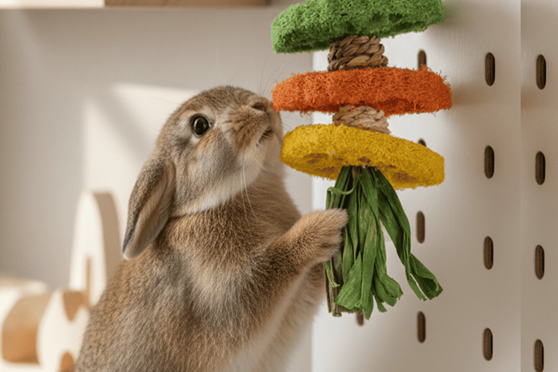 Chew Toys for Rabbits: Essential for Their Well-Being and Teeth
Our rabbits, like all good little nibblers, love to chew! What might seem like a simple pastime is in fact vital to...Read more
-
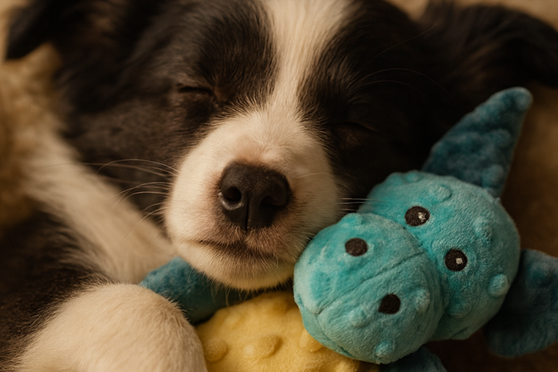 Does My Dog Need a Comfort Toy?
A comfort toy is more than just a plaything. It offers reassurance, reduces stress, and helps ease loneliness –...Read more
-
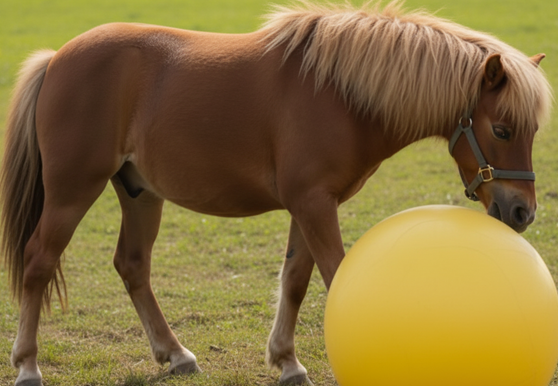 Horse Toys: How to Keep Your Horse Busy and Prevent Boredom
Horses are naturally curious, social, and active animals that need variety and stimulation to thrive. When deprived...Read more
Leave a comment