
Autumn is probably one of the most beautiful seasons for walking your dog: the light is soft, the forest smells of...
Latest posts
-
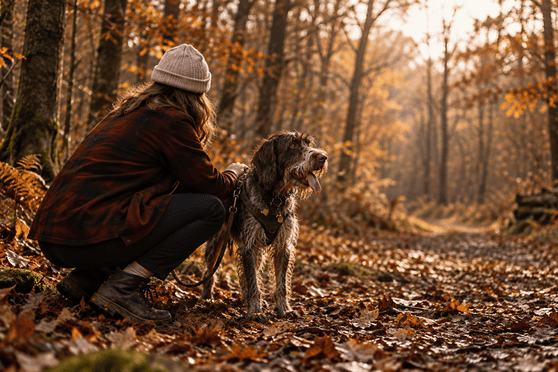 Autumn with your dog: small dangers to watch out for on walksRead more
-
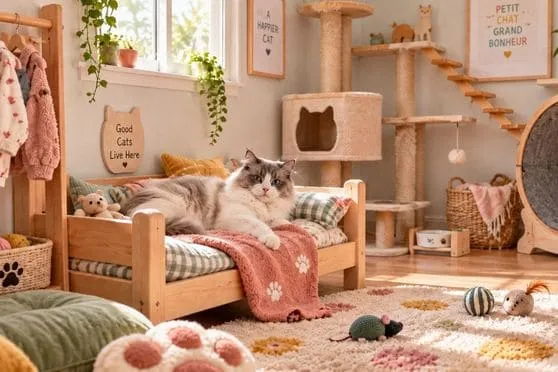 Pet Parents: Welcome to a Club We’re (Finally) Happy to Own Up ToRead more
Just ten years ago, calling yourself your cat’s “parent” would have raised a few eyebrows. People would smile...
-
 Halloween with your pet: ideas, treats and precautions for dogs, cats, rabbits and horsesRead more
Halloween is slowly making its way into our homes, with pumpkins appearing on doorsteps and orange garlands...
-
 Rewarding your dog without spoiling them: finding the right balance between treats, praise and playRead more
Treats, praise or play: rewarding your dog well is not about giving more, but about choosing the right moment and the...
-
 How to Keep Your Dog Busy at Home: 4 Situations and SolutionsRead more
It has been raining since this morning, and the evening walk ended at the corner of the street. Your dog has just had...
-
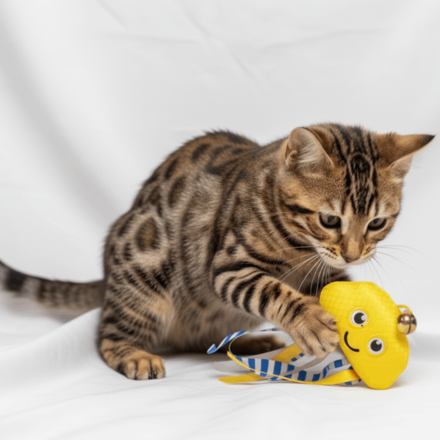 Waste-Conscious Treats for pets: giving pleasure without wasteRead more
Seeing a close date on a pet product can make you hesitate. That is perfectly normal. When it comes to our...
-
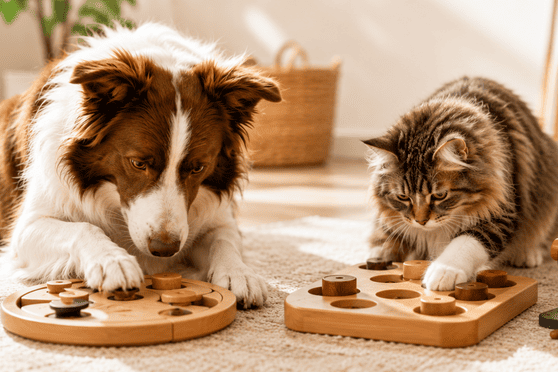 Intelligence Games for Dogs and Cats: The Secret to a Happy (and Finally Tired) PetRead more
He has already chewed through half the sofa. He barks at the door as soon as you leave for work. She spends all day...
-
 What toys should you choose for your cat? Understanding their preferences to help them play betterRead more
All cats play, but not always in the same way. Some pounce at the slightest movement, others prefer to watch for a...
-
 Adopting a NAC: the questions to ask before falling for oneRead more
Rabbit, guinea pig, hamster, pet rat, ferret, gerbil, bird or reptile: NAC often appeal because of their small size,...
-
 Dog care: what is it for, and what should you do every day?Read more
Caring for your dog is not only about feeding them, walking them and giving them attention. Their skin, coat, paw...
Blog categories
Search in blog

The Most Popular Cat Breeds in Europe: Top 5, Personality and Differences by Country
Cats hold a special place in European households. Discreet yet deeply attached companions, they appeal through both their independence and their ability to form strong bonds with humans.
While most adoptions still involve non-pedigree cats, certain breeds clearly stand out for their popularity. These preferences vary from country to country and are shaped by lifestyle, housing conditions and cultural perceptions.
Why are some breeds more popular in France than in Germany? Why do British households tend to favour calm, reserved cats, while Southern European countries are drawn to expressive, people-oriented breeds? Below is a top 5 of the most popular and widely adopted cat breeds in Europe, including their physical traits, personality and what these choices reveal about how we live with cats.
Top 5 most popular cat breeds in Europe
1. Maine Coon – The gentle giant
Physical characteristics
Large size, powerful build, long and dense coat, bushy tail. Despite its impressive stature, the Maine Coon has a balanced and harmonious appearance.
Personality
Sociable, affectionate without being intrusive, and very tolerant. It adapts well to family life and usually coexists peacefully with other animals.
Why it is popular in Europe
In France, it is often appreciated for its “dog-like” personality and closeness to humans. In Germany and the Netherlands, its balanced temperament and robust nature are highly valued. In the United Kingdom, it is recognised for its calm and emotional stability.
2. British Shorthair – Calm and elegant
Physical characteristics
Compact body, round head, short and dense coat, often blue-grey but available in many colour variations.
Personality
Calm, reserved and not overly demanding. It enjoys human presence without constantly seeking attention.
Why it is popular in Europe
In the United Kingdom, it is an iconic breed associated with stability and discretion. In Germany, its balanced temperament is particularly appreciated. In France, it is frequently chosen for apartment living.
3. Bengal – A wild look
Physical characteristics
Spotted or marbled coat reminiscent of a leopard, athletic build and a very expressive appearance.
Personality
Energetic, curious and intelligent. Requires regular mental and physical stimulation.
Why it is popular in Europe
In France and Spain, its striking appearance plays a major role in its appeal. In Italy, it attracts people who favour elegant and expressive cats. In the United Kingdom, it is mainly adopted by highly committed owners.
Note: this breed requires an enriched environment and sufficient time and interaction.
4. Birman – Gentle and affectionate
Physical characteristics
Silky semi-long coat, deep blue eyes and distinctive white paws.
Personality
Very affectionate, calm and strongly attached to its humans. Sensitive to the emotional atmosphere of the household.
Why it is popular in Europe
In France and Italy, it is often chosen for its gentle temperament and strong emotional bond. In Spain, its balance between affection and calmness is appreciated. In the Netherlands, it is frequently selected by quiet, well-structured households.
5. Siamese / Oriental Shorthair – The communicator
Physical characteristics
Slender body, large ears, expressive eyes and short coat.
Personality
Highly vocal, intelligent, expressive and deeply bonded to its owner.
Why it is popular in Europe
In Italy and Spain, its demonstrative and social personality is particularly valued. In France, it often appeals to people seeking strong daily interaction with their cat.
Preferences by country: when culture influences choice
Differences in breed popularity are not simply a matter of trends. They also reflect housing conditions, daily routines and cultural views on the role of cats.
- France: strong humanisation of cats and a search for emotional closeness.
- Germany: emphasis on balance, adaptability and stable temperament.
- United Kingdom: preference for calm, independent yet reliable cats.
- Italy: attraction to elegant, expressive and highly social breeds.
- Spain: interest in visually striking breeds combined with balanced personalities.
- Netherlands: focus on harmony with the living environment, routines and structure.
These tendencies are not fixed rules, but they help explain regional differences in preferences.
Breed and personality: beware of assumptions
A breed indicates tendencies, not certainties. Education, early socialisation, environment and the human–cat relationship play a decisive role in shaping a cat’s personality.
Two cats of the same breed can therefore have very different temperaments.
Choosing a cat beyond the breed
- Adapt your choice to your lifestyle.
- Realistically assess the level of time and stimulation you can provide.
- Consider your home environment (flat or house, children, other animals).
- Whenever possible, prioritise responsible adoption.
Conclusion
The most popular cat breeds in Europe reflect far more than aesthetic preferences. They reveal our lifestyles, our expectations of the human–animal bond and the way we choose to live alongside cats.
Regardless of breed, it is above all the quality of the relationship, the environment and respect for the cat’s needs that determine a successful adoption.
FAQ – What you should know about cat breeds
Does breed determine a cat’s personality?
No. Breed provides general tendencies, but personality is largely shaped by environment, socialisation and human interaction.
Are pedigree cats more fragile?
Some breeds have genetic predispositions. This is why responsible breeding, regular veterinary care and appropriate living conditions are essential.
Why do cat breed preferences differ by country?
Housing, lifestyle, cultural values and the local availability of breeders all influence which breeds are most popular.
Can a shelter cat be just as well-balanced as a pedigree cat?
Yes. Well-being and balance depend mainly on the living environment, care, daily enrichment and the bond with humans.
Related posts
-
 Candy Horse Treats for Horses – Natural & Delicious
Discover Candy Horse treats for horses: natural, handcrafted, and tasty. Reward your horse with healthy snacks and...Read more
-
 Healthy Rabbit Treats: Combining Taste and Nutrition
Treat your rabbit with healthy and natural snacks! Discover which treats to favor (herbs, flowers, hay, dried...Read more
-
 Chew Toys for Rabbits: Essential for Their Well-Being and Teeth
Our rabbits, like all good little nibblers, love to chew! What might seem like a simple pastime is in fact vital to...Read more
-
 Does My Dog Need a Comfort Toy?
A comfort toy is more than just a plaything. It offers reassurance, reduces stress, and helps ease loneliness –...Read more
-
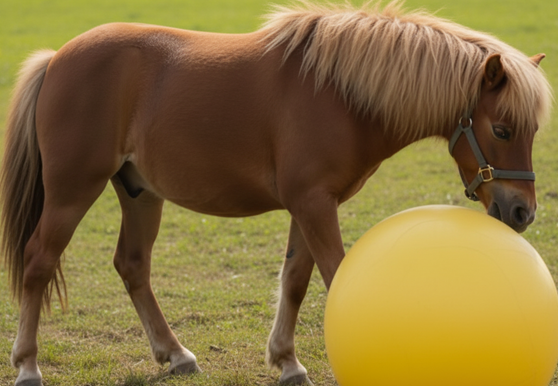 Horse Toys: How to Keep Your Horse Busy and Prevent Boredom
Horses are naturally curious, social, and active animals that need variety and stimulation to thrive. When deprived...Read more
Leave a comment