
Autumn is probably one of the most beautiful seasons for walking your dog: the light is soft, the forest smells of...
Latest posts
-
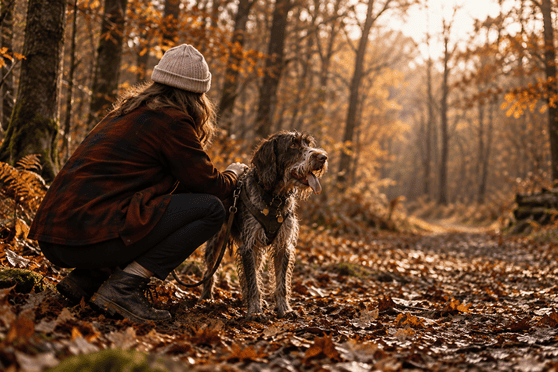 Autumn with your dog: small dangers to watch out for on walksRead more
 -
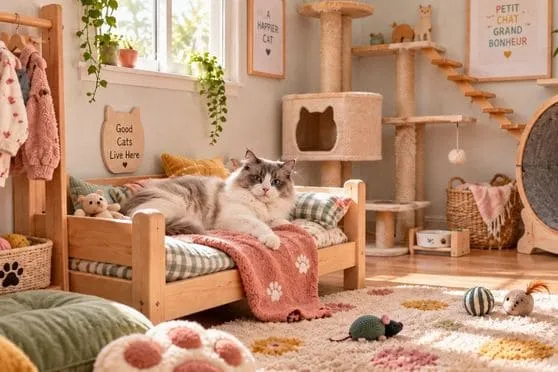 Pet Parents: Welcome to a Club We’re (Finally) Happy to Own Up ToRead more
Just ten years ago, calling yourself your cat’s “parent” would have raised a few eyebrows. People would smile...
-
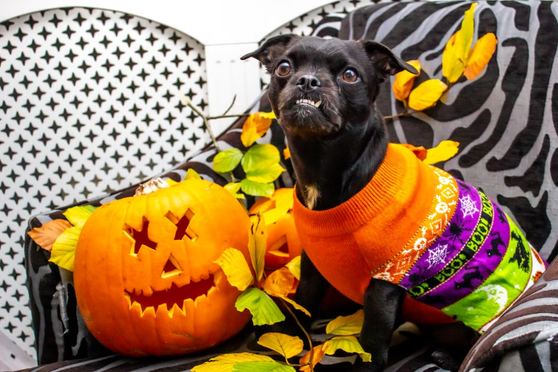 Halloween with your pet: ideas, treats and precautions for dogs, cats, rabbits and horsesRead more
Halloween is slowly making its way into our homes, with pumpkins appearing on doorsteps and orange garlands...
-
 Rewarding your dog without spoiling them: finding the right balance between treats, praise and playRead more
Treats, praise or play: rewarding your dog well is not about giving more, but about choosing the right moment and the...
-
 How to Keep Your Dog Busy at Home: 4 Situations and SolutionsRead more
It has been raining since this morning, and the evening walk ended at the corner of the street. Your dog has just had...
-
 Waste-Conscious Treats for pets: giving pleasure without wasteRead more
Seeing a close date on a pet product can make you hesitate. That is perfectly normal. When it comes to our...
-
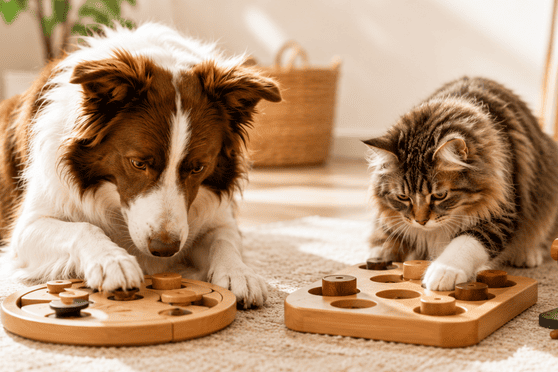 Intelligence Games for Dogs and Cats: The Secret to a Happy (and Finally Tired) PetRead more
He has already chewed through half the sofa. He barks at the door as soon as you leave for work. She spends all day...
-
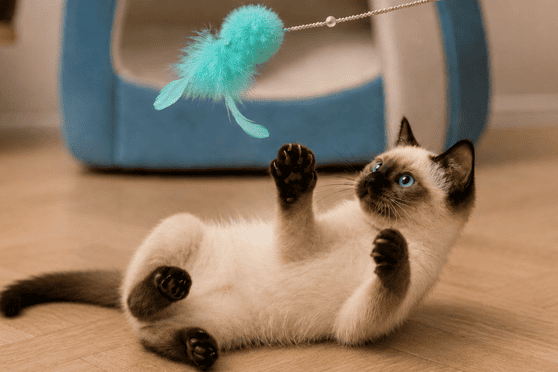 What toys should you choose for your cat? Understanding their preferences to help them play betterRead more
All cats play, but not always in the same way. Some pounce at the slightest movement, others prefer to watch for a...
-
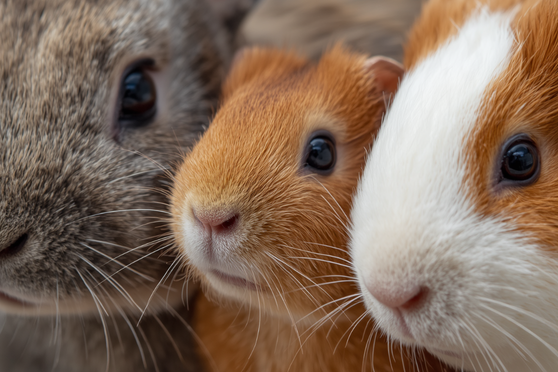 Adopting a NAC: the questions to ask before falling for oneRead more
Rabbit, guinea pig, hamster, pet rat, ferret, gerbil, bird or reptile: NAC often appeal because of their small size,...
-
 Dog care: what is it for, and what should you do every day?Read more
Caring for your dog is not only about feeding them, walking them and giving them attention. Their skin, coat, paw...
Blog categories
Search in blog
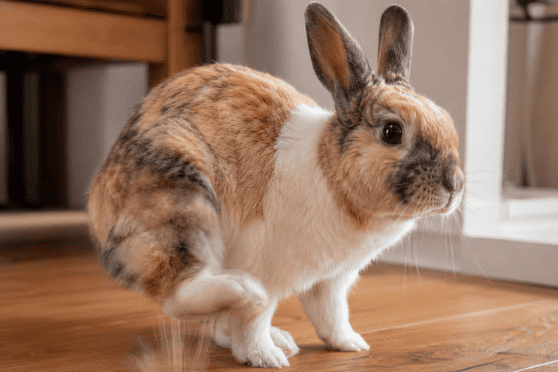
Why does my rabbit do that? Understanding the behaviours that confuse owners the most
For a long time, rabbits suffered from a misleading image: that of a quiet, discreet and supposedly “simple” pet. Yet anyone who truly lives with a rabbit quickly discovers a very different reality.
A rabbit is constantly communicating.
Through movements, body posture, habits, reactions and sometimes almost imperceptible sounds, rabbits express emotions, comfort, anxiety, excitement and a desire for interaction. The challenge is learning how to understand this incredibly subtle language.
Many behaviours that surprise or confuse humans are actually completely normal for rabbits. Some express happiness, others stress, boredom, curiosity or deeply rooted instincts.
Understanding these signals often changes the relationship completely. People stop seeing rabbits as “strange” or unpredictable animals… and begin discovering highly sensitive, intelligent and expressive companions.
Why does my rabbit scratch the floor?
Digging is one of the most natural rabbit behaviours.
In the wild, rabbits spend a large part of their lives building, expanding and securing burrows. That instinct remains extremely strong in domestic rabbits, even when they live entirely indoors.
A rabbit scratching the floor is therefore not necessarily being “naughty”. In many cases, it is simply expressing a deeply rooted instinctive need.
Context still matters, however. Some rabbits scratch to attract attention, to gain access to a specific area or because they are experiencing frustration. In other cases, the behaviour may reflect boredom or a lack of stimulation.
Providing varied activities often helps channel this instinct more positively. Objects to manipulate, push or chew — such as a set of natural rabbit balls or hanging loofah chew toys — can offer enriching alternatives while still respecting the rabbit’s natural behaviours.
Why does my rabbit thump its foot?
The famous loud thump of a rabbit’s hind foot often surprises owners the first time they hear it.
For rabbits, thumping is primarily an alarm signal. In the wild, rabbits use it to warn other members of the group about possible danger.
A rabbit may therefore thump when it hears an unfamiliar noise, feels unsafe or perceives something as threatening.
However, not all foot thumping indicates intense fear. Some rabbits also use it to express frustration, irritation or disapproval.
The environment plays a major role here. Rabbits that lack hiding spaces or secure resting areas may become more anxious in daily life. Safe enclosed spaces such as a cosy fabric tunnel for hiding and resting can help some rabbits feel more secure.
Why does my rabbit run around my legs?
This behaviour is often both adorable and slightly surprising.
A rabbit circling around someone’s legs is usually expressing strong emotional excitement. It may be linked to affection, attention-seeking, anticipation of food or hormonal behaviour in unneutered rabbits.
Some rabbits even combine this behaviour with little jumps or rapid enthusiastic movements.
In most cases, it is a sign that the rabbit actively enjoys the interaction and associates its human with something positive.
Why does my rabbit grind its teeth?
Teeth grinding is probably one of the most misunderstood rabbit behaviours.
Because everything depends on the intensity.
A soft, quiet grinding sound generally reflects deep relaxation and comfort. It is somewhat similar to a cat purring. The rabbit feels safe, calm and content.
On the other hand, loud, tense or repetitive grinding may indicate significant pain.
Rabbits naturally hide discomfort very well, which makes pain difficult to detect. Sudden behavioural changes, unusual posture, loss of appetite or withdrawal should therefore always be taken seriously.
Why does my rabbit lick me?
Licking is generally a positive social behaviour.
Within a group, rabbits groom one another to reinforce social bonds and express trust.
When a rabbit licks its human, it is often showing affection and a strong sense of emotional security.
Some rabbits also lick to seek attention or prolong pleasant interactions, especially during petting sessions.
What is a rabbit’s biggest enemy?
Many people instinctively think of predators. Yet in modern domestic life, a rabbit’s greatest enemy is often something much quieter: chronic stress.
Rabbits are extremely sensitive to their environment.
Noise, boredom, isolation, forced handling, insufficient space or lack of stimulation can gradually damage a rabbit’s wellbeing — sometimes without obvious visible signs at first.
Unlike more expressive pets, rabbits often communicate discomfort very subtly. That is precisely why careful observation is so important.
What are the signs of stress in rabbits?
A stressed rabbit may display very different behaviours depending on its personality.
Some rabbits become agitated, thump frequently or constantly attempt to flee. Others freeze, isolate themselves or drastically reduce social interactions.
Loss of appetite, excessive grooming, tense posture, hypervigilance or loss of interest in play can also be warning signs.
Chronic stress is particularly dangerous in rabbits because it can seriously affect digestive health.
What sound does a happy rabbit make?
Rabbits are relatively quiet animals — but that does not mean they do not communicate.
A happy rabbit often makes very soft tooth purring sounds. Some rabbits also produce relaxed breathing noises when resting deeply.
However, happiness is most visible through overall behaviour.
The famous “binkies” — sudden jumps combined with twists in the air — are among the clearest signs of a joyful and relaxed rabbit.
A rabbit that explores confidently, plays, approaches voluntarily or lies fully stretched out on its side generally feels safe and comfortable.
What are the signs of a bored rabbit?
Boredom is often underestimated in rabbits.
Yet rabbits that lack stimulation may develop many problematic behaviours: excessive destruction, agitation, apathy, obsessive bar chewing, compulsive grooming or disinterest in their surroundings.
Rabbits are naturally curious animals that need movement, exploration, interaction and mental stimulation.
Varying textures, chew items and activities can greatly enrich their daily environment. Natural chew toys, a modular rabbit agility hurdle or a playful rolling hay feeder can help stimulate rabbits both physically and mentally.
Conclusion
Truly understanding a rabbit takes time, observation and nuance.
Behind behaviours that may sometimes appear strange to humans lies an incredibly rich, subtle and coherent language.
And that is often where the relationship changes profoundly: when people stop seeing rabbits as simple quiet pets… and begin truly understanding what they are trying to express.
Related posts
-
 Candy Horse Treats for Horses – Natural & Delicious
Discover Candy Horse treats for horses: natural, handcrafted, and tasty. Reward your horse with healthy snacks and...Read more
Candy Horse Treats for Horses – Natural & Delicious
Discover Candy Horse treats for horses: natural, handcrafted, and tasty. Reward your horse with healthy snacks and...Read more -
 Healthy Rabbit Treats: Combining Taste and Nutrition
Treat your rabbit with healthy and natural snacks! Discover which treats to favor (herbs, flowers, hay, dried...Read more
Healthy Rabbit Treats: Combining Taste and Nutrition
Treat your rabbit with healthy and natural snacks! Discover which treats to favor (herbs, flowers, hay, dried...Read more -
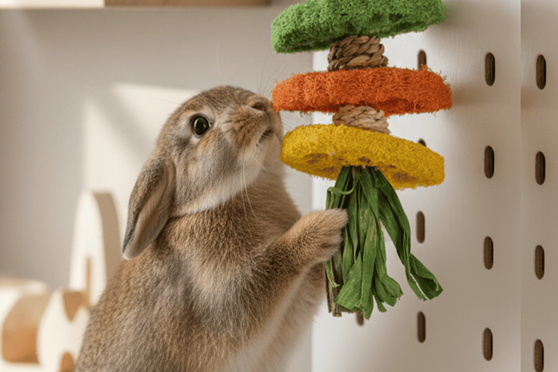 Chew Toys for Rabbits: Essential for Their Well-Being and Teeth
Our rabbits, like all good little nibblers, love to chew! What might seem like a simple pastime is in fact vital to...Read more
Chew Toys for Rabbits: Essential for Their Well-Being and Teeth
Our rabbits, like all good little nibblers, love to chew! What might seem like a simple pastime is in fact vital to...Read more -
 Does My Dog Need a Comfort Toy?
A comfort toy is more than just a plaything. It offers reassurance, reduces stress, and helps ease loneliness –...Read more
Does My Dog Need a Comfort Toy?
A comfort toy is more than just a plaything. It offers reassurance, reduces stress, and helps ease loneliness –...Read more -
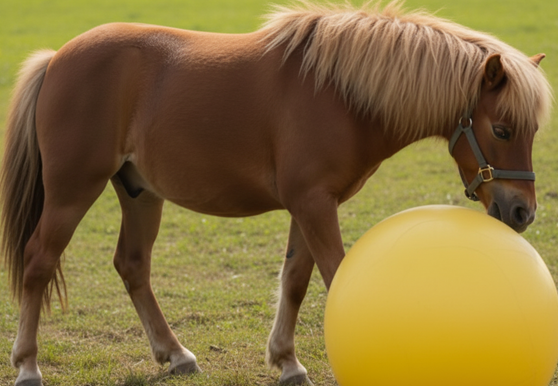 Horse Toys: How to Keep Your Horse Busy and Prevent Boredom
Horses are naturally curious, social, and active animals that need variety and stimulation to thrive. When deprived...Read more
Horse Toys: How to Keep Your Horse Busy and Prevent Boredom
Horses are naturally curious, social, and active animals that need variety and stimulation to thrive. When deprived...Read more
Leave a comment